men's body shape
The Triangle, and the cuts that follow from it.
Your waist and hips carry more width than your shoulders, so the work is to give the shoulders presence and keep the lower half clean. Here is what that means in practice, and why the shape on its own is only half of what decides a cut.
- Widest at your hips
- 125+ cuts scored
- 10 minutes to get yours
Last updated
Triangle at a glance
Waist and hips carrying more width than the shoulders.
- Widest at
- Your hips.
- Closest shapes
- Rectangle and Oval
- Three to wear
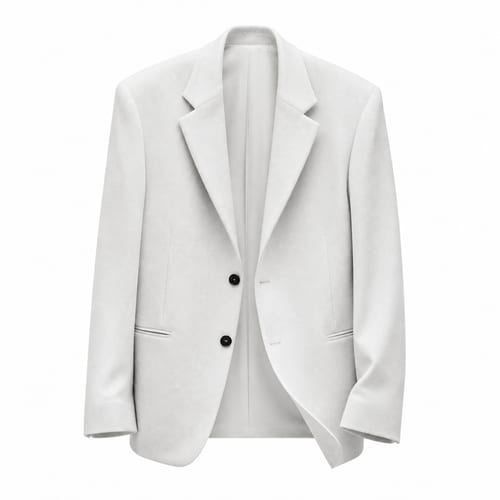 Padded-shoulder blazer
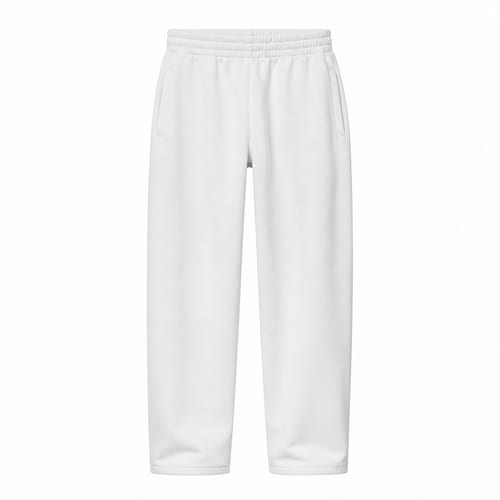 Straight trousers with room
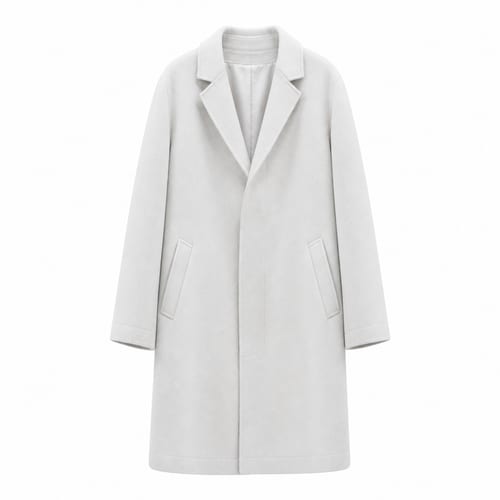 Straight knee-length coat
- Three to skip
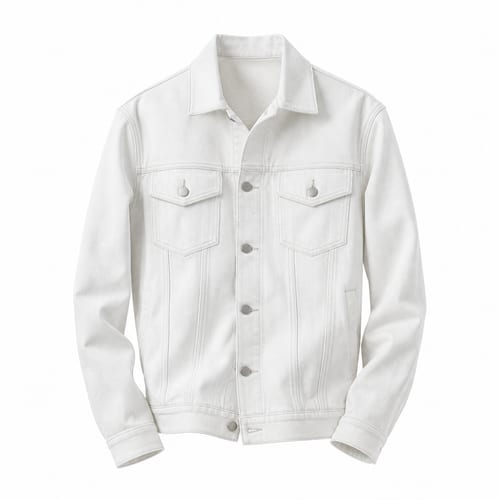 Denim trucker
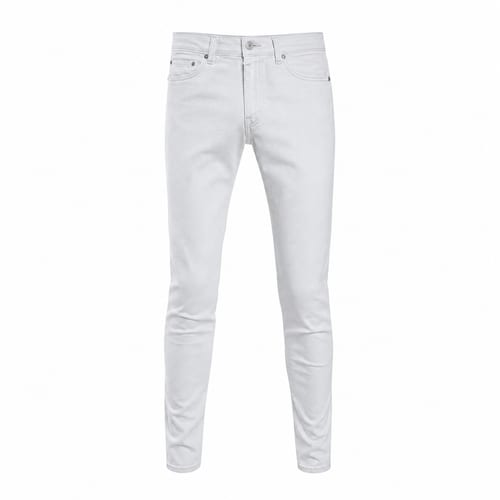 Skinny
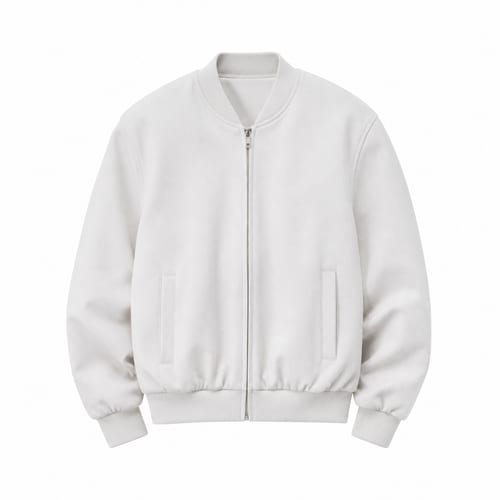 Bomber and harrington
Each list below gives the reason for every piece. Your line, read separately, decides how structured each of them may be.
Where it sits
The Triangle among the five men's shapes
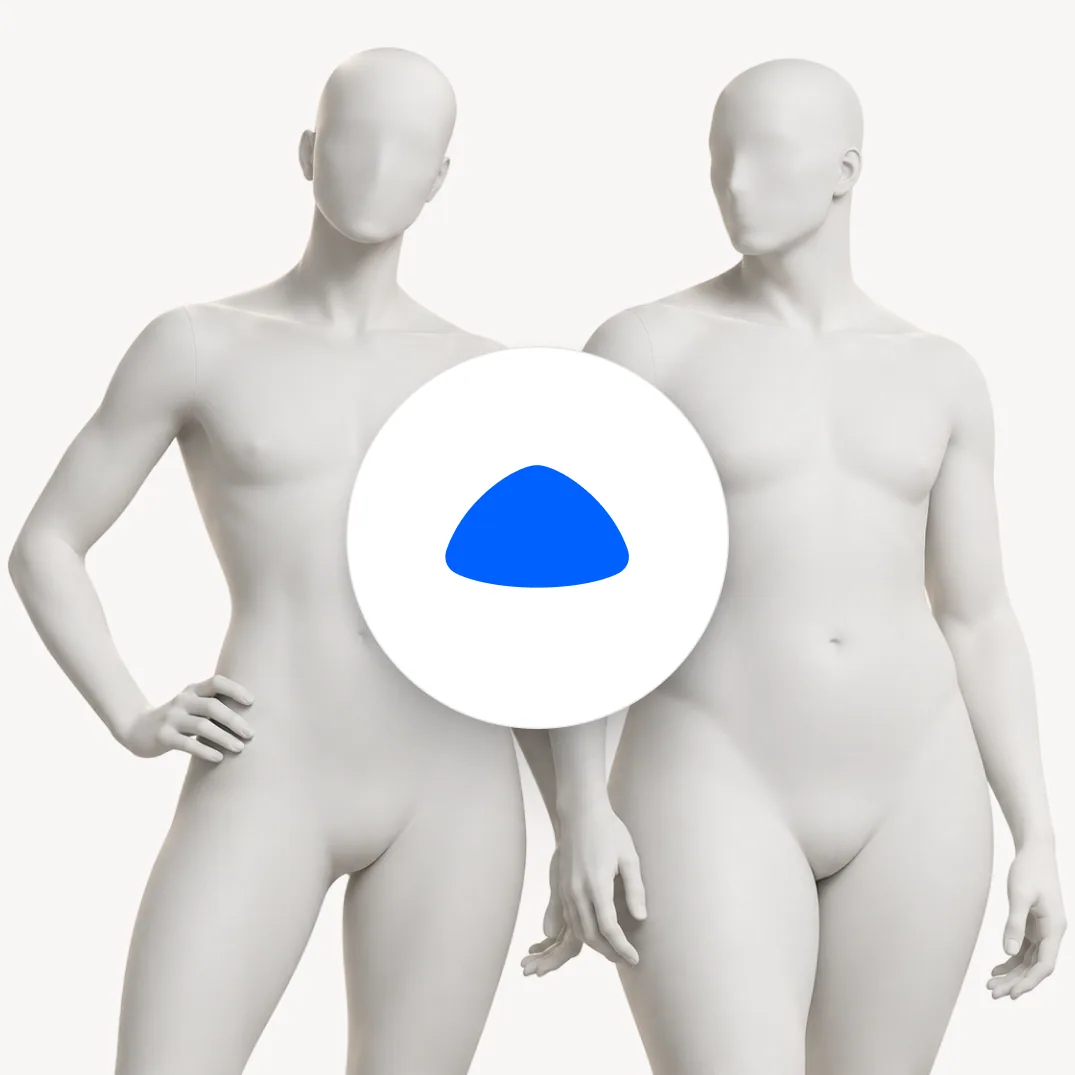
Across: whether the shoulders or the hips are wider. Down: how the waist compares with both. The Triangle sits closest to the Rectangle and Oval.
This page
Triangle
Waist and hips carrying more width than the shoulders.
Widest at your hips
Placed by the relative widths that define each shape. Schematic, not a measurement.
Am I a triangle?
The triangle is the men's frame that widens on the way down: the hips are the widest of the three measurements, the shoulders the narrowest, and the waist sits between them.
Men's clothes hang from the shoulder, so a triangle dresses well when that shoulder line is given more width and everything below it falls straight past the seat instead of narrowing onto it.
To check it, stand square to a full-length mirror in a fitted T-shirt and hold your arms a hand's width away from your sides, so they do not add to the outline at hip level. Then compare the outer edge of your shoulders with the outer edge of your hips. If the hips reach further out, you are a triangle, at any height and any weight.
Off the rack, the triangle shows up as a run of near misses. A jacket that fits your chest will not close cleanly over the seat: the fronts pull apart below the button and the vents spread open. Trousers bought for your waist stand open at the side pockets and crease across the front of the thigh. A polo or a knit rides up and settles on the hip instead of falling past it.
The questionnaire asks the same mirror question, shoulders or hips wider, along with what your waist does and where weight goes first when you gain it. AI reads your proportions from two of the five photos, front and side, and fixed rules weigh them against your answers, which count for the most.
Hips wider names the triangle. The middle is checked first: if your belly is where weight goes first, the middle carries real volume and your waist does not clearly curve in, the rules read an oval before they ever compare shoulders with hips.
Once the frame is named, every garment faces a tailor's two questions: how much it can add at the top, and how cleanly it falls past the seat.
Check it with three questions.
A quick self-check with the questionnaire's own body questions and the rules that turn them into a shape. The analysis reads the same answers together with your two body photos, front and side.
Question 1 of 3
Shoulders or hips?
Look in the mirror straight on: which is wider? Pick the closest silhouette.
What this shape actually means for clothes
Every men's garment hangs from the shoulder seams and falls from there.
On most frames that fall runs straight or tapers in toward the waist. On a triangle it has to clear a seat that is wider than the shoulders it hangs from, so the cloth meets the hip before it has finished falling.
Two rules follow for the top half. It can take width, and it wants it: a shoulder seam set out to the edge of the bone, a yoke, a spread collar, a heavier cloth or an open layer all add at your narrowest measurement. And whatever ends has to end clear of the seat. A ribbed band that gathers in at the hip, or the hem of a short jacket, draws a line across your widest point and pulls the cloth in onto it.
Below the belt the rule is room first, then direction. Trousers need room through the seat and thigh; with that in place the leg can fall straight or taper gently below the knee, because the narrowing starts after the widest point. What fails is a leg cut close from the hip down, which wraps the seat and turns the step out at the hip into the sharpest line of the outfit.
Your page applies the same logic to pattern: a stripe or a chevron goes on knits and tops, never on trousers. Read the cards below with those three in mind: width at the top, nothing ending on the hip, room before any taper.
Wear or skip?
Six cuts. Call each one, then see why.
Each of these is on the lists further down, with its reason. Decide whether the Triangle wears it before you read on.
- Padded-shoulder blazer
- Denim trucker
- Straight trousers with room
- Skinny
- Straight knee-length coat
- Bomber and harrington
Wear
The cuts that work
- Padded-shoulder blazerSets the shoulder seam out past your own, adding width at the one point of the frame that carries the least.
- Straight trousers with roomCut full through the seat and thigh, so the leg drops straight from the hip with no pull across the front.
- Straight knee-length coatOne vertical from the shoulder past the seat to the knee, so no hem lands anywhere near the hip.
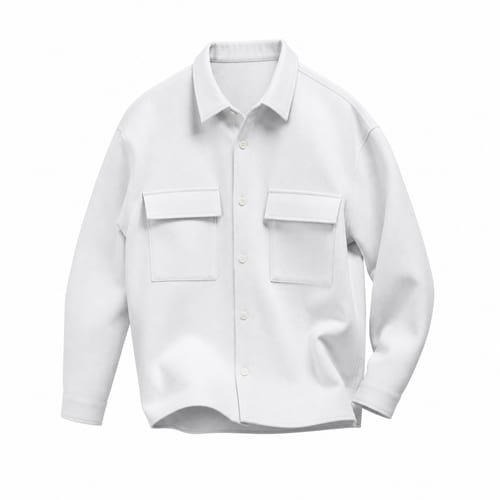 Overshirt, worn openSquares the shoulder line, and its two open fronts fall straight past the hip as a pair of verticals.
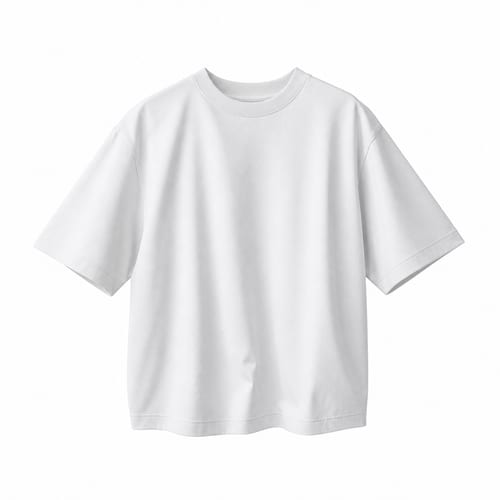 Heavy teeThick jersey holds its own shape across the chest and shoulders instead of collapsing onto them.
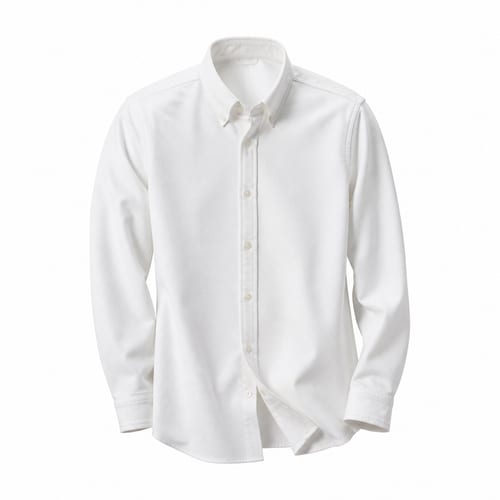 Oxford shirt in a regular cutThe sturdier cloth keeps the shoulder crisp, and the regular body falls past the hip instead of hugging it.
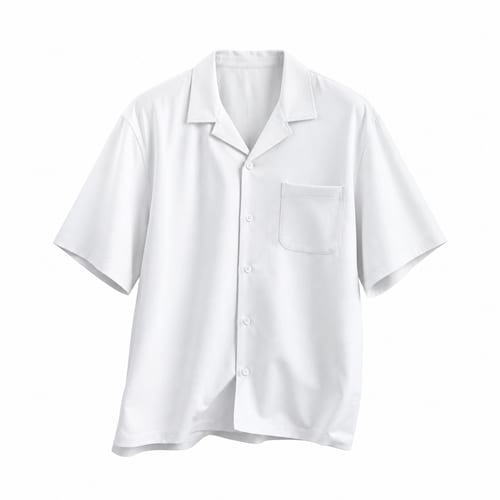 Camp collar shirtThe open collar lies flat and wide toward the shoulders, adding width at the neck without adding bulk.
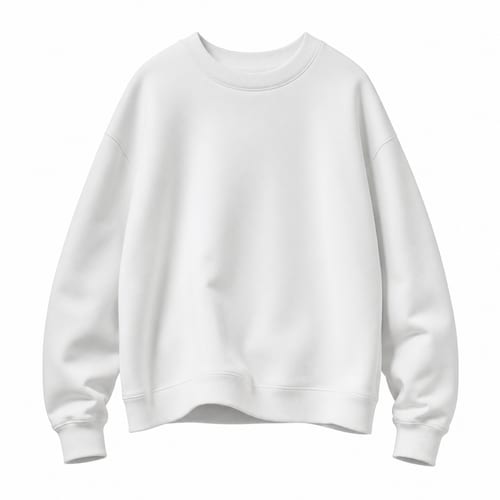 Crew sweatshirt and quarter-zip sweaterWeight at the top of the body, where it helps; take the length that falls past the hip, not a ribbed band that stops on it.
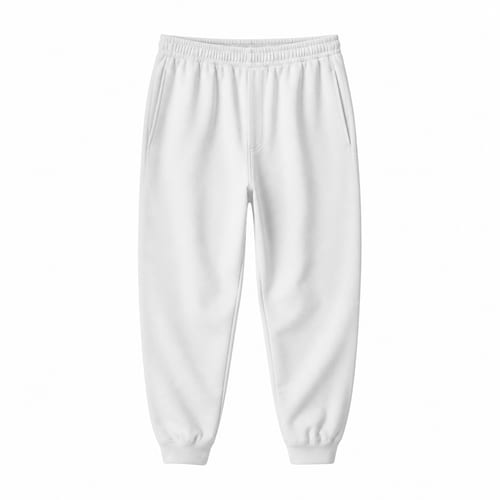 Tapered trousers and tapered denimRoom through the seat and thigh first, then a taper that only starts below the knee, after the widest point.
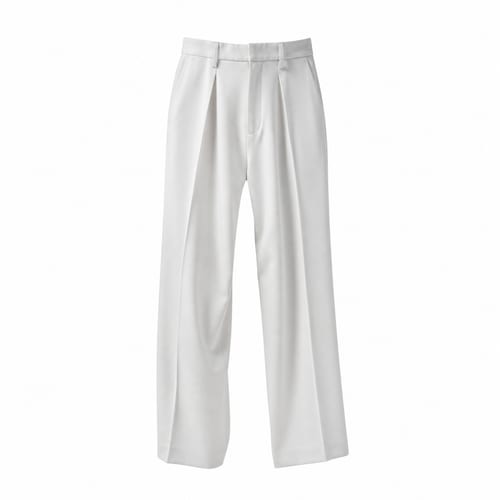 Pleated trousersThe pleats add cloth across the front of the hip and thigh, and the leg hangs straight below them. Yours when your page sets a high rise.
A weekday from this list: the oxford shirt under a crew sweatshirt, straight trousers with room, and the knee-length coat over both. A weekend: the heavy tee under the overshirt worn open, with tapered denim.
Each card is the shape's half of the call. Your page adds your line and your body, which is how two triangles can come back with opposite verdicts on the same coat. The sample analysis is the real result of co-founder Filip Poláček, a trapezoid with a medium line, and his page marks the padded-shoulder blazer at the top of this list Depends, with the condition "In a longer cut" and the reason "Padded shoulders extend your own line without adding strain at the back."
Skip
The cuts that fight you
- Denim truckerStiff denim that stops at the hip, so its hem draws a hard line straight across your widest point.
- SkinnyCut close from the hip down, so the cloth wraps the seat and the leg narrows from your widest point instead of falling past it.
- Bomber and harringtonThe banded hem gathers in at hip level and finishes exactly where you are widest.
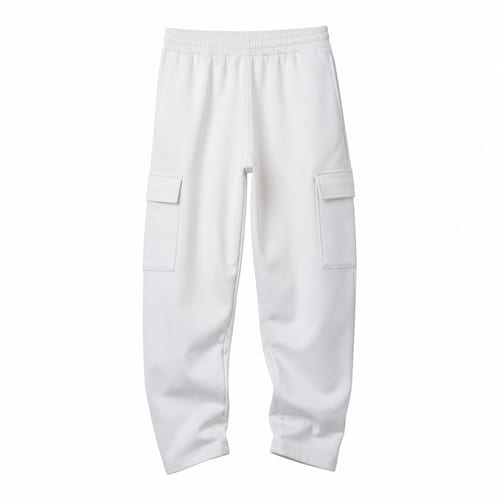 CargoPockets stitched onto the side of the thigh push the outline out at the frame's widest level.
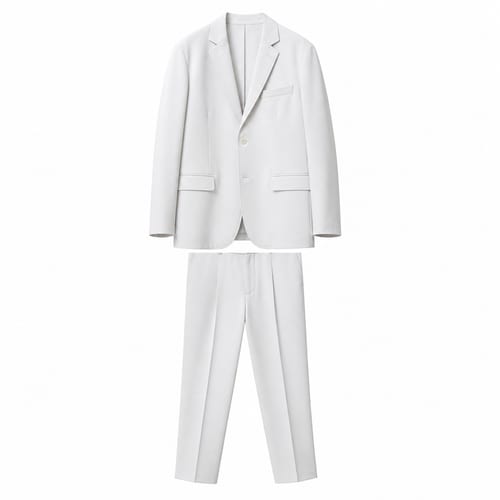 Slim-fit shiny suitCut close over the seat and thigh, and the shine picks up every pull in the cloth.
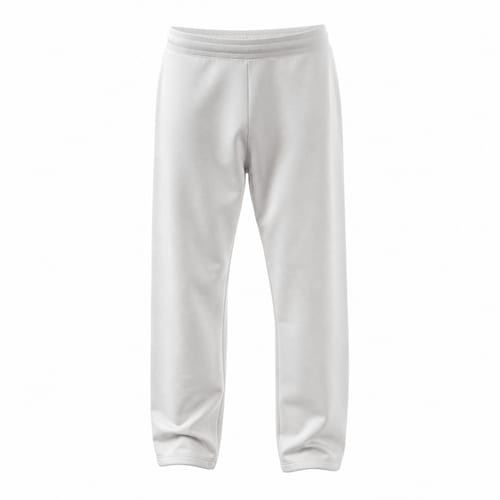 Low riseThe waistband sits on the hip bones, so it marks the widest part of you and shortens the leg below it.
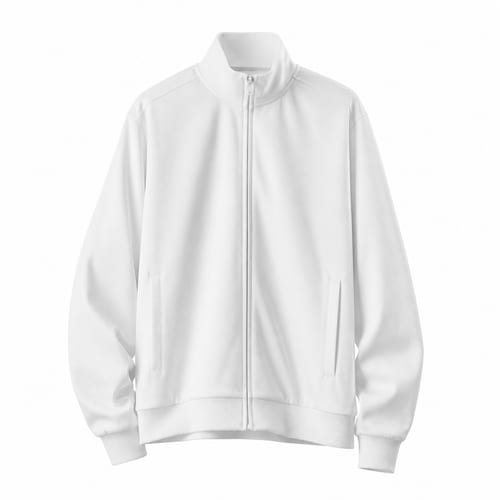 Zip sports jacket cut closeStretch cloth that follows the chest and a hem that stops on the seat, so it sits close where you want width and ends where you are widest.
In the fitting room, button the jacket and turn sideways to the mirror. If the vents stay closed and the front hangs straight past the seat, the length and the cut are right; if the hem kicks out or the vents part, the jacket stops too high or is cut too close for this frame.
Tailoring
A suit is the biggest single purchase on this page, so here it is in the order a tailor would take you through it.
Start at the shoulder. A constructed classic suit gives you a real shoulder line, and on a triangle that line does more than anything else tailoring can offer. A double-breasted jacket goes further, with peaked lapels pointing up toward the shoulder, but its fronts are wide, overlapping flaps, so a second layer of cloth sits over the stomach. Keep it for a triangle whose middle stays flat.
Then the length. The jacket should cover the seat, which is the traditional length anyway (Gentleman's Gazette on suit fit), and on a triangle it matters more, because a hem on the fullest part of the seat draws a horizontal across your widest point.
The trousers under it are pleated suit trousers or a straight cut with room, at a mid or a high rise and never a low one. Pleated trousers sit high, on or just above the navel, so they are yours when a longer torso or shorter legs set your rise high; at a mid rise, the straight cut with room does the same job.
Last, buy for what cannot be altered. Sleeves are the easiest part of a jacket to change and taking in the waist is routine, but reshaping a shoulder is major work, and a jacket can be taken in far more easily than let out (Gentleman's Gazette on what a tailor can and can't do).
So the size you buy has to fit your shoulder and close over your seat at once. Trousers are kinder: buy them for the seat and thigh, and a tailor can take the waist in at the center back seam, by about 2 to 3 inches (5 to 8 cm).
Shape and line
Your shape names it, your line decides it
Triangle is a measurement of where your width sits. Your line is a separate reading, of the edges: a shoulder that ends in a corner or one that curves away, a jaw and collarbone where the bone shows or sits under the surface. The analysis reads it as sharp, medium or soft from your bone structure, the line of your shoulders and your features in the photos, checked against your answers, and a hip wider than the shoulder turns up with all three.
Shape says where a cut should add width and where it should keep it; line says what the width is built from. Every Wear, Depends and Skip on your page answers to both.
So every triangle needs more at the shoulder, and the line chooses how it gets there. A sharp line takes it from structure: the padded-shoulder blazer, with the knee-length straight coat over it. A medium line gets it from cloth with body, a chore jacket over a heavy tee. A soft line gets it from an open collar and an easy shoulder, a camp collar shirt under an unstructured blazer, because a firm pad on a rounded frame reads as costume. The trousers underneath can be the same pair for all three.
Schematic, not a measurement.
Line
Your shape: where the width sits
Waist and hips carrying more width than the shoulders.
Your line: how the edges read
A frame that commits to neither pole, with edges that are neither cut nor rounded.
What it asks of a cut
- Moderate construction. Structure that is there without announcing itself.
- A natural shoulder, neither built up nor dropped.
- Fabric with body that still moves. A mid-weight knit, a soft twill.
What works against it
- Both extremes, and this is the one level where that is the whole answer: a rigidly architectural piece reads as costume, a fully fluid one reads as unmade.
Built for this line, and not ruled out by this shape
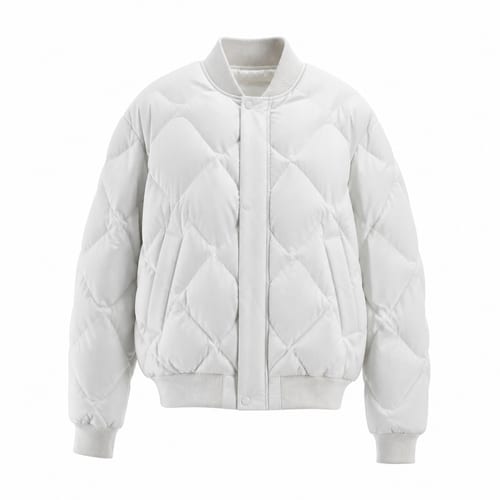 Jackets and layersQuilted puffer
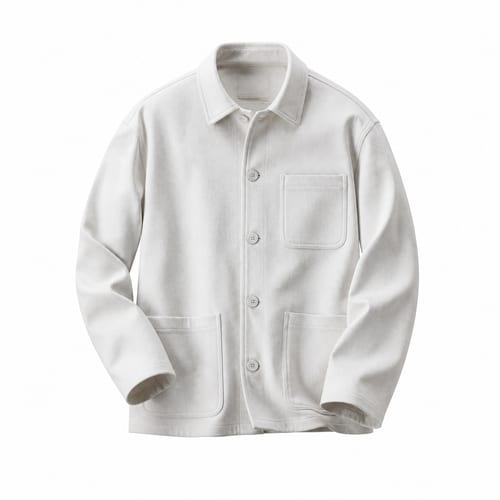 Jackets and layersChore jacket
- Shirts and topsHeavy tee
- Shirts and topsOxford shirt
Your body details still outrank your shape
The shape gets you a shortlist; your own proportions decide what survives it.
They come from your answer about torso and legs and from the optional question "Anything else about your body?", and three of them move this page the most.
Your rise. Your page sets one rise, high for a longer torso or shorter legs and mid otherwise, and every trouser at the other rise is a Skip. This list holds both: the straight trousers with room and the tapered pair are cut at a mid rise, the pleated trousers at a high one, so one side of it goes on every page. In the sample analysis, at a mid rise, the pleated trousers come back Skip: "The seat and the break both follow the wrong rise."
Your shoulders. Broad shoulders refuse a sharp padded shoulder, so the padded-shoulder blazer leaves even a triangle's page when the shoulder is already there. Narrow shoulders count in its favor, the one place where the standard advice for this shape is exactly right.
Your middle. A rounded midsection favors drape, which helps the camp collar shirt and the pleated trousers, and turns down any top cut skin-tight, because a close knit is carried by the body and pulls as you move.
A plus-size frame has a rule of its own, against skin-tight pieces and for drape or room over the curve. Wider thighs or a stronger seat change little here: this page already makes the calls they would.
The other men’s shapes
More on the Triangle
- TrapezoidShoulders a little broader than the hips, narrowing gradually.
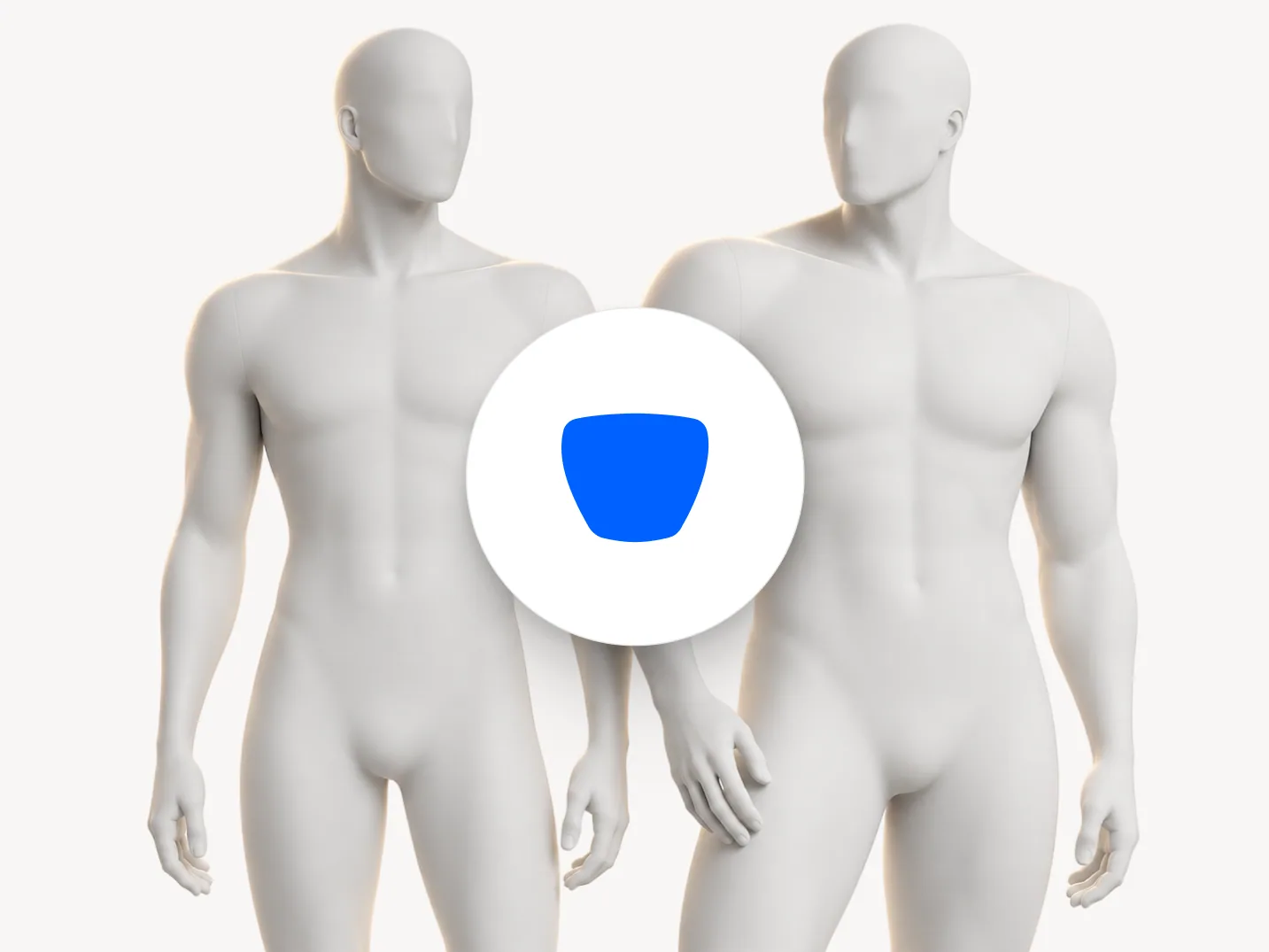
- RectangleShoulders, waist and hips running close to the same width, with no sharp narrowing at the waist.
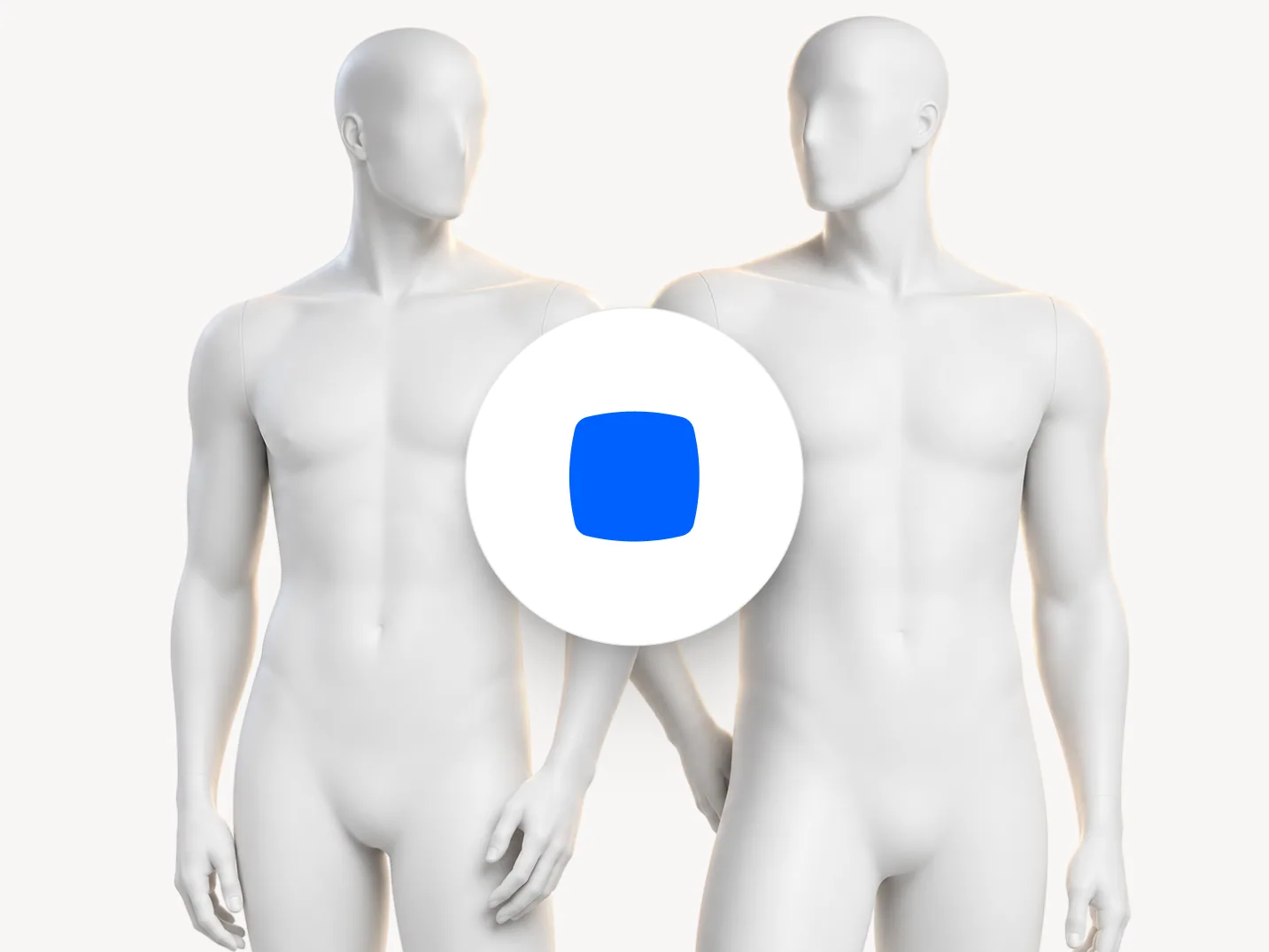
- Inverted TriangleShoulders much broader than the hips, narrowing sharply to the waist.
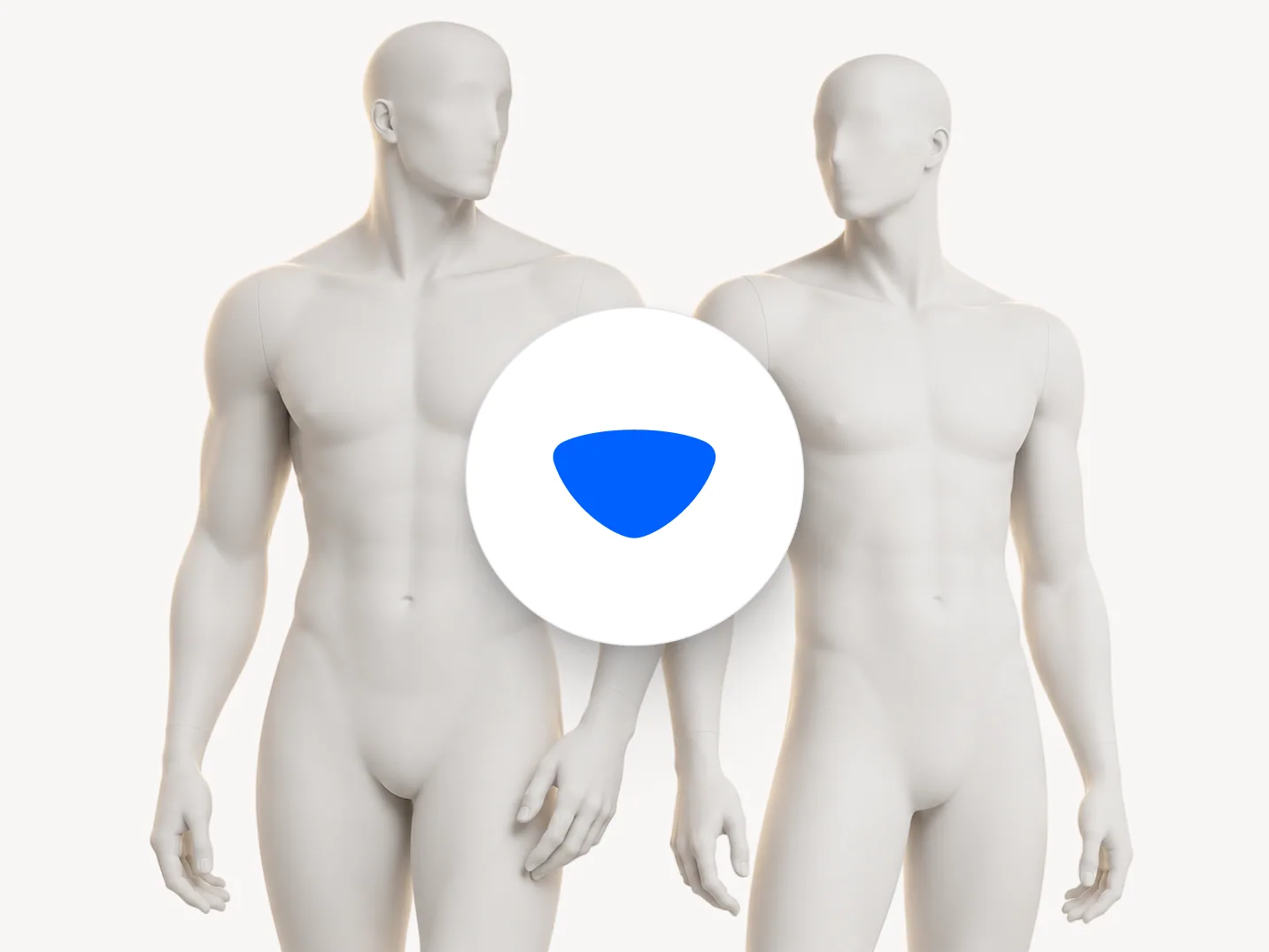
- OvalVolume gathered around the middle, with the waist the fullest part of the frame.
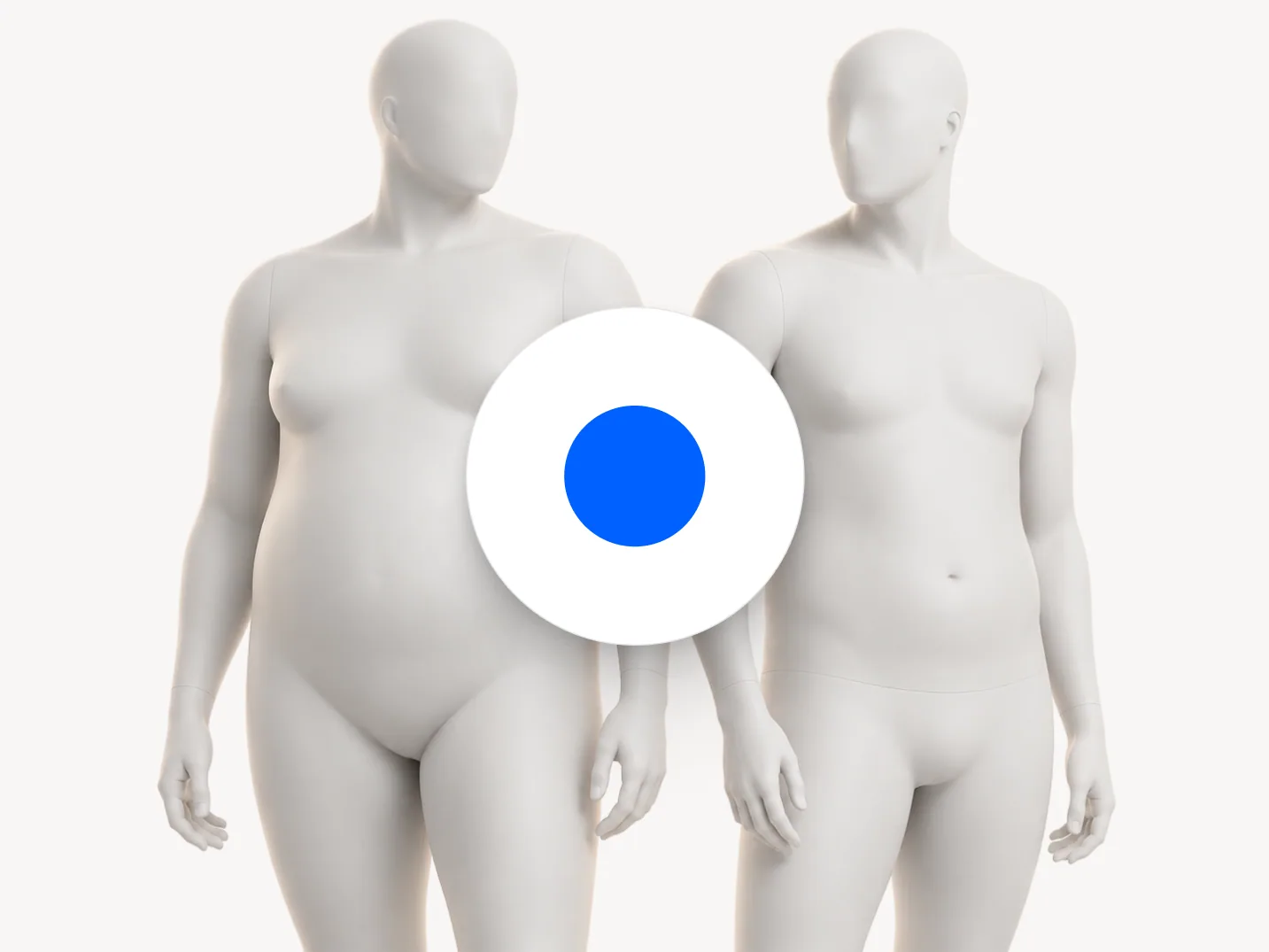
- All ten body shapesFive for women and five for men, side by side, with the free shape check.
FAQ
Triangle questions.
The Triangle is defined by waist and hips carrying more width than the shoulders. Measured rather than eyeballed, that comes down to comparing your shoulder, waist and hip widths, which is hard to do honestly in a mirror because you already have an opinion about your own body. The analysis reads it from your answers and two body photos, with fixed rules weighing both.
This one is the men's wardrobe, yes. The shapes are read separately for men and women because the same measurements imply different cuts depending on which wardrobe you are dressing from, and a system that ignores that gives one of the two bad advice.
Usually not. Shape is about proportion, not size, and proportion is mostly skeletal, and where your shoulders sit relative to your hips does not move much. What changes is where softness gathers, which can shift you between two neighboring shapes over a few years.
In geometry, yes: both carry the hips wider than the shoulders, and the analysis names both from the same answer. The men's definition counts the waist in as well, with waist and hips both wider than the shoulders. Pear is the women's name and comes with the women's cut library; triangle comes with the men's, so the advice here is about oxford shirts, trouser rise and jacket construction.
No. The rules land on one shape, and the deciding answer is the mirror question: hips wider makes you a triangle, about the same makes you a rectangle. Your page quotes that answer back to you, so you can see how the call was made rather than guessing at it.
Straight or gently tapered, with room through the seat and thigh. Room comes first, because a leg cut close from the hip down wraps the seat; any taper should start below the knee. Pleated trousers do the same job at a high rise. Skinny, low rise and cargo are refused on this shape, and whatever you pick has to match the one rise your page sets.
It can. Shape here is a comparison of widths, and training the shoulders and upper back adds width at the top of the frame. If your shoulders end up wider than your hips, you have moved toward the trapezoid, and an analysis taken then reads the body you have then.
No. Padding is one way to add width at the top, and it is off the table if your shoulders are already broad. A yoke, a spread collar, a heavier knit and an open layer do the same work without a pad.
Another question about the method or your result? Write to us
Find out what suits you, and why.
A short questionnaire and five photos. Your key arrives by email, usually within 10 minutes.