Color analysis and body shapes for men
Your colors and your cuts, read for a man's frame.
Color analysis works for men the same way it works for anyone: your coloring lands in one of 12 seasons. What changes is the wardrobe. Wearly Labs reads your frame as one of five men's shapes and judges 125+ cuts from a men's library, each with a reason.
Body shapes for men
Five shapes, each with its own cuts.
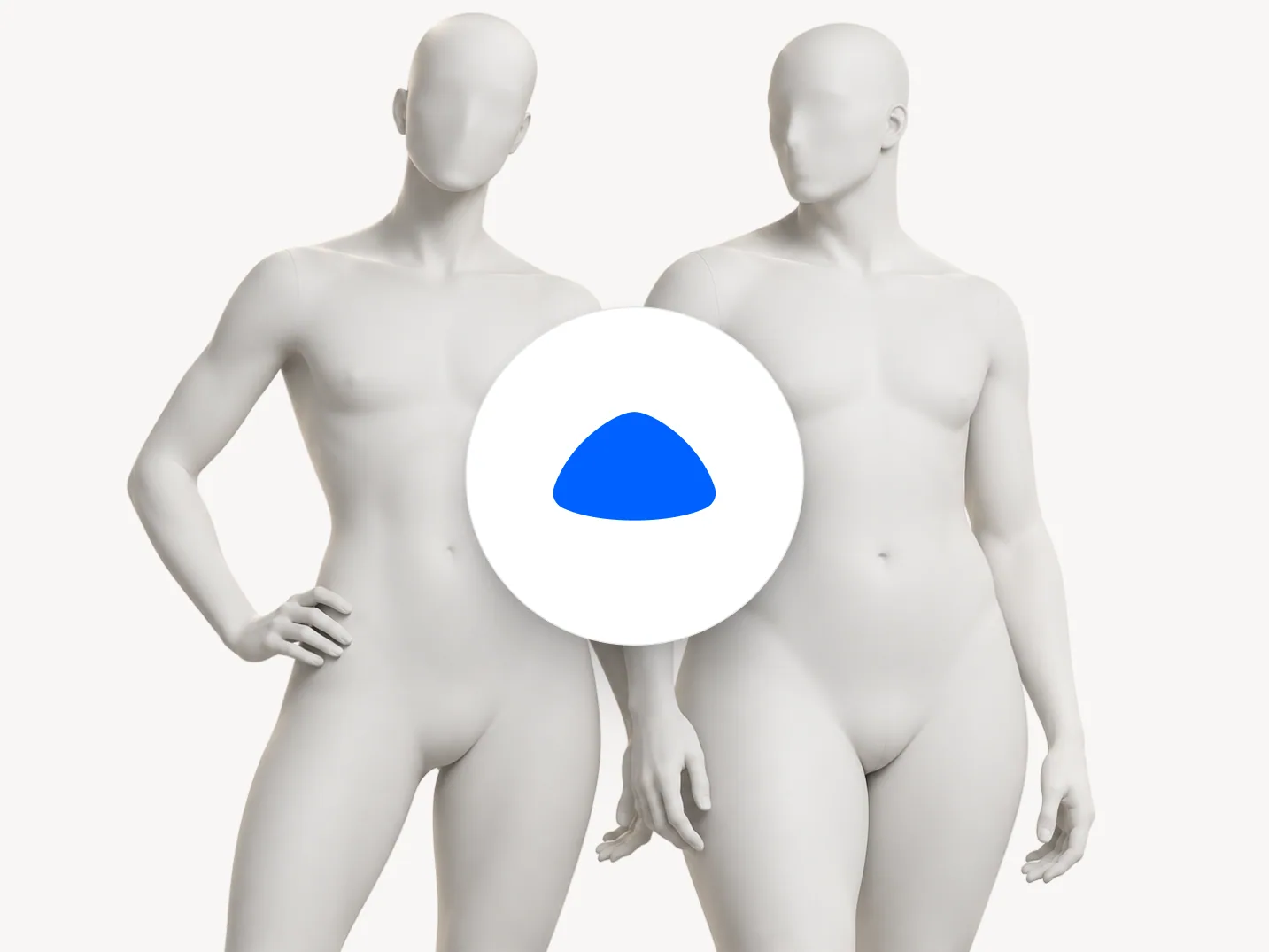
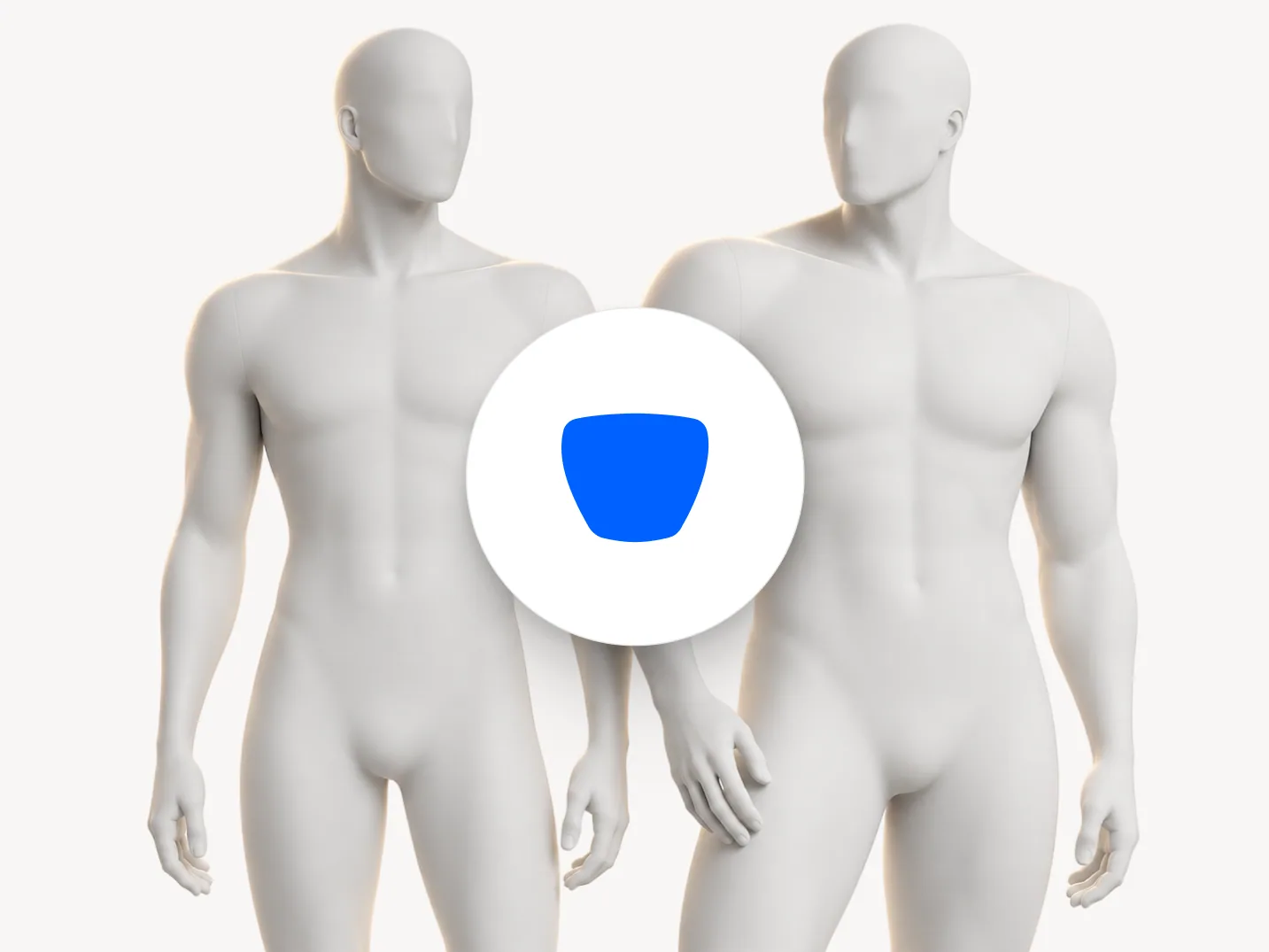
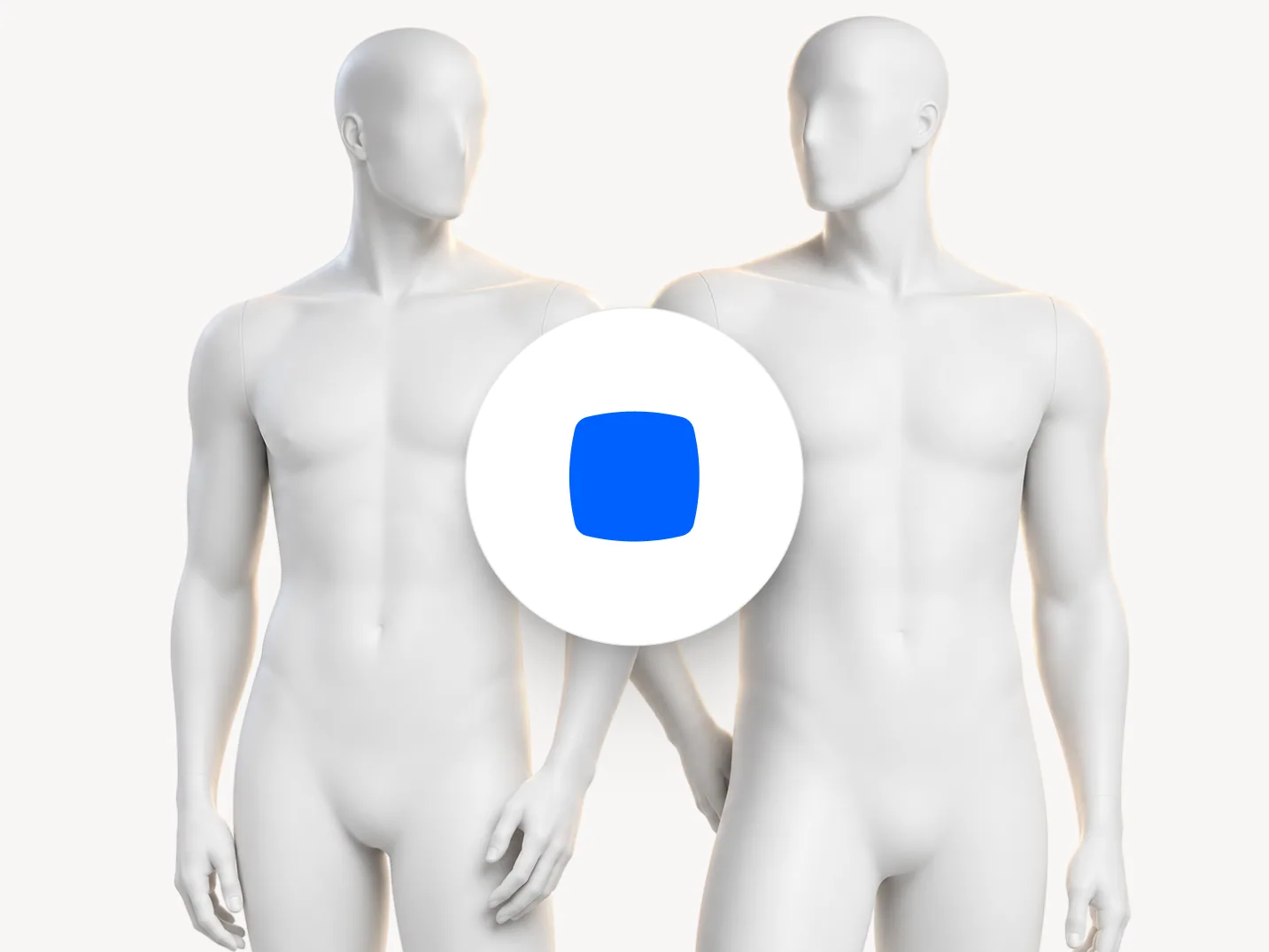
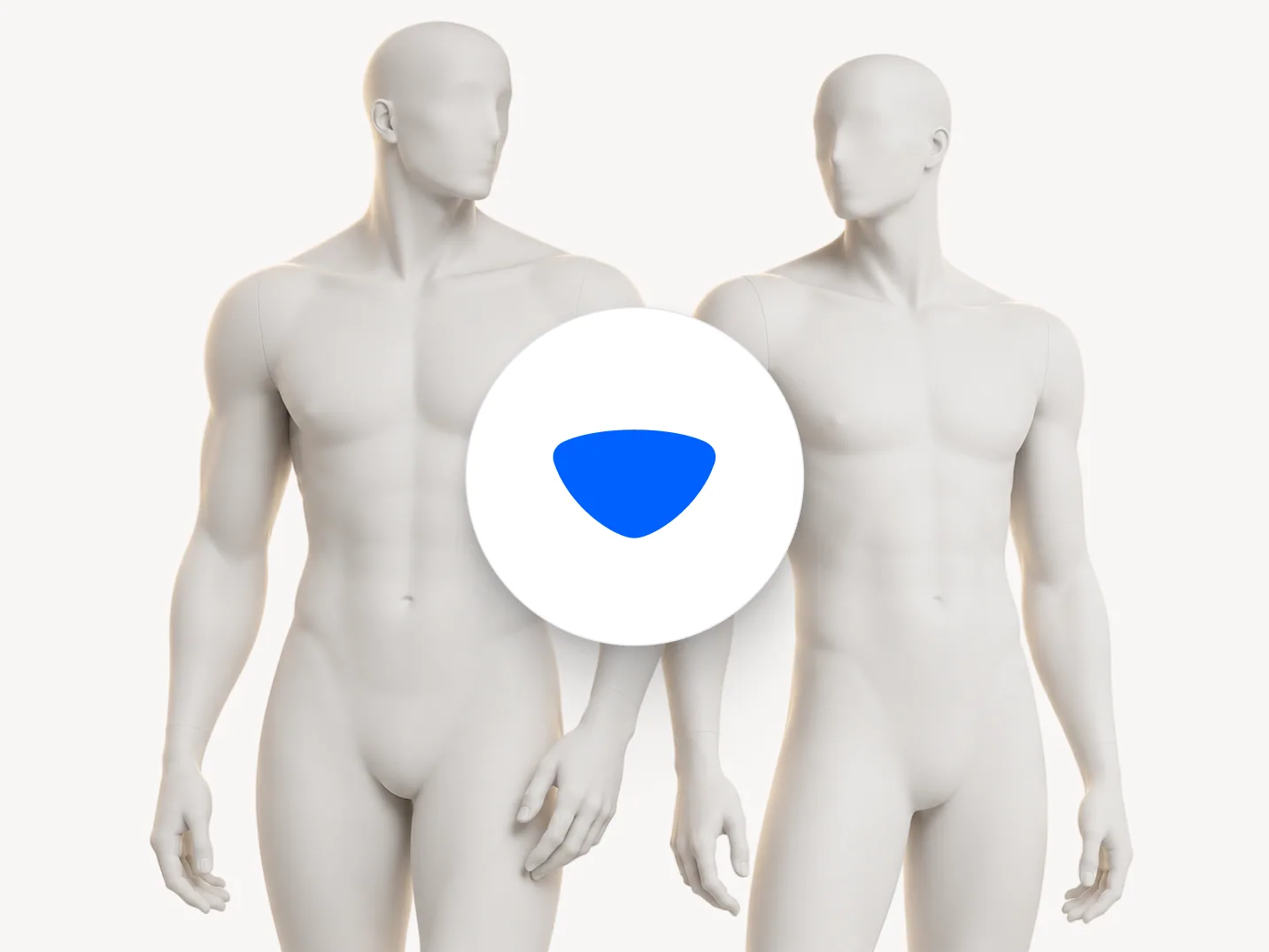
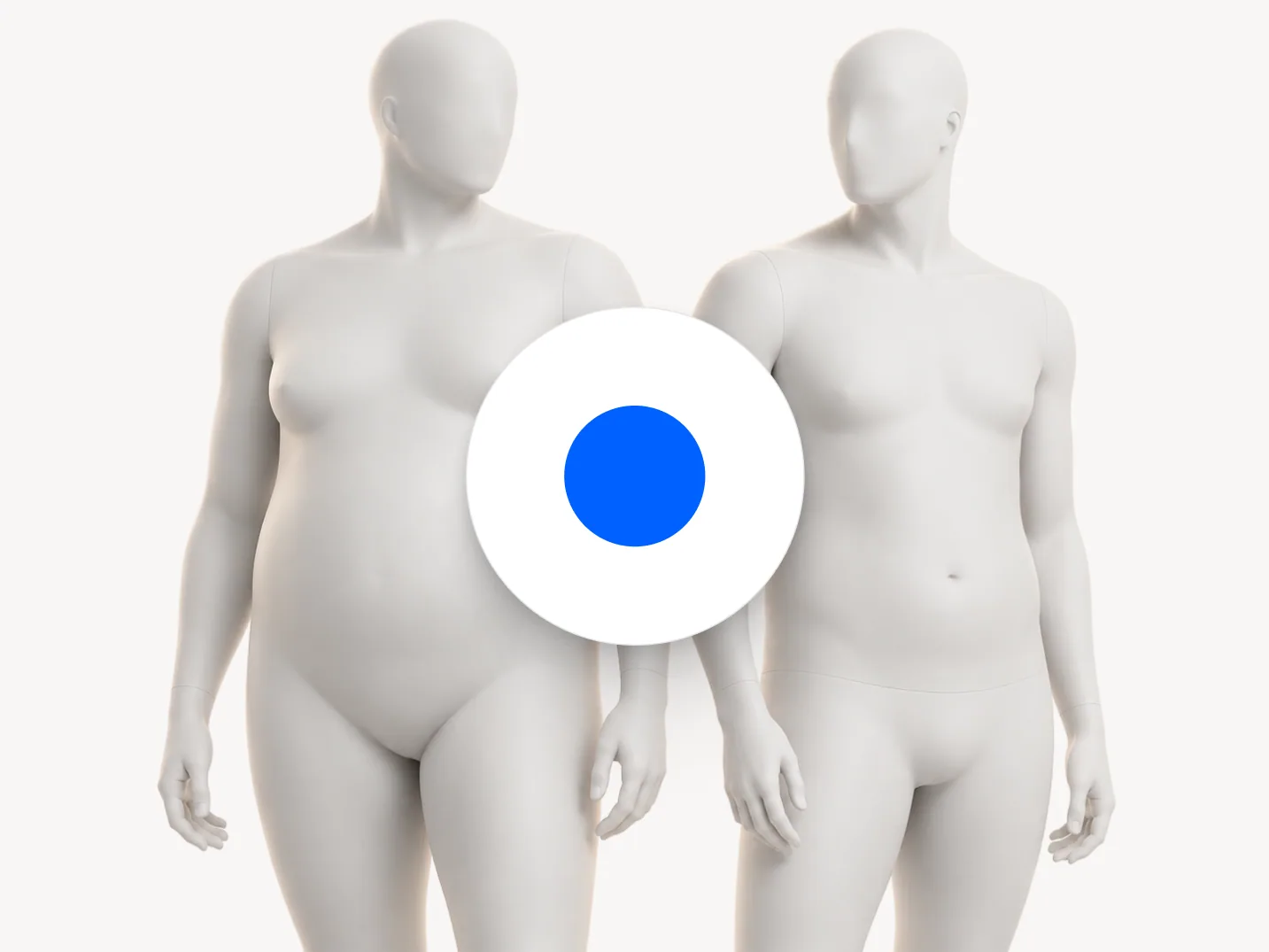
Shape says where you carry your width. Line says whether a cut should hold an edge or give a little. Together they decide a jacket's shoulder, a trouser's rise and a collar.
- TriangleWaist and hips carrying more width than the shoulders.
- TrapezoidShoulders a little broader than the hips, narrowing gradually.
- RectangleShoulders, waist and hips running close to the same width, with no sharp narrowing at the waist.
- Inverted TriangleShoulders much broader than the hips, narrowing sharply to the waist.
- OvalVolume gathered around the middle, with the waist the fullest part of the frame.
Color for men
The same 12 seasons, on a man's wardrobe.
A season works the same on a man as on anyone: warm or cool, light or deep, clear or muted. What changes is where it shows, which is why these guides start from the shirt, the suit and the knit.
Color analysis for men is decades old: Carole Jackson's Color for Men came out in 1984, and Alan Flusser's Dressing the Man sorts men by the contrast between hair and skin.
Men · 10 min
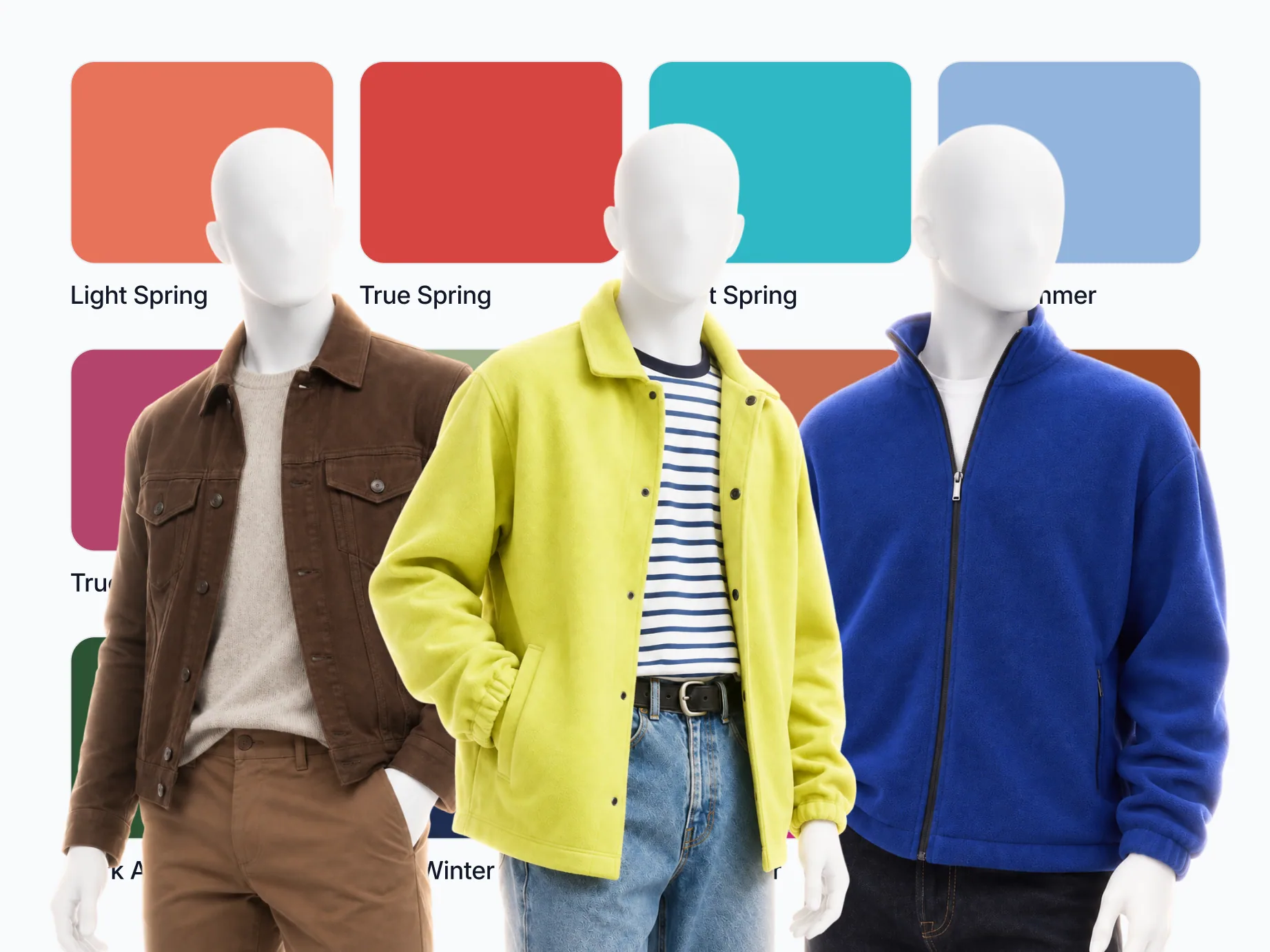
The 12 color seasons, explained for men
All 12 color seasons in menswear terms: core colors, the right white shirt, the right watch metal, and where black and navy work for each.
Men · 11 min
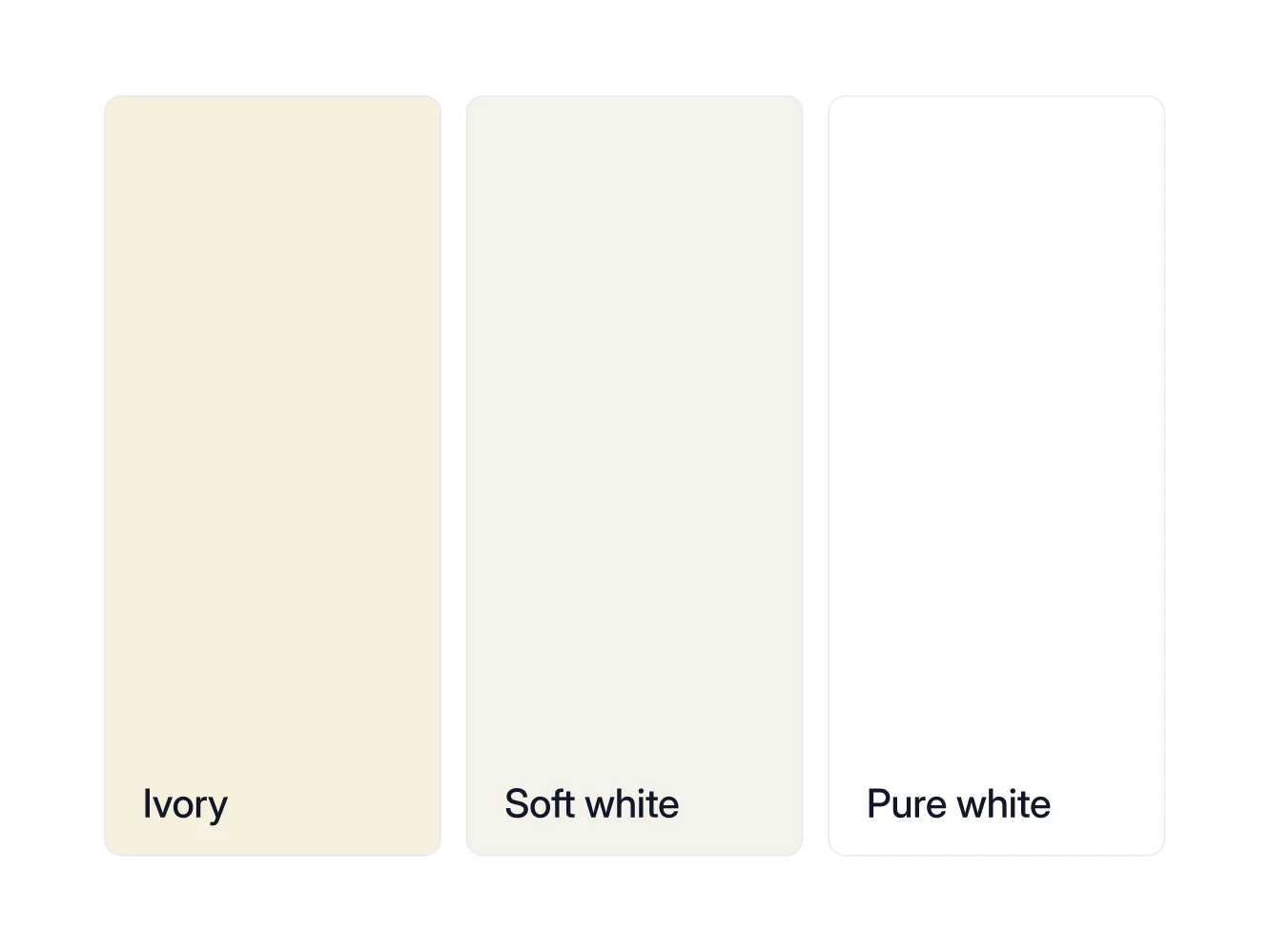
The best shirt colors for your skin tone
Ivory, soft white, or pure white? Which blue is yours? The shirt colors for each of the 12 color seasons, and the three shirts for a man's week.
Men · 12 min
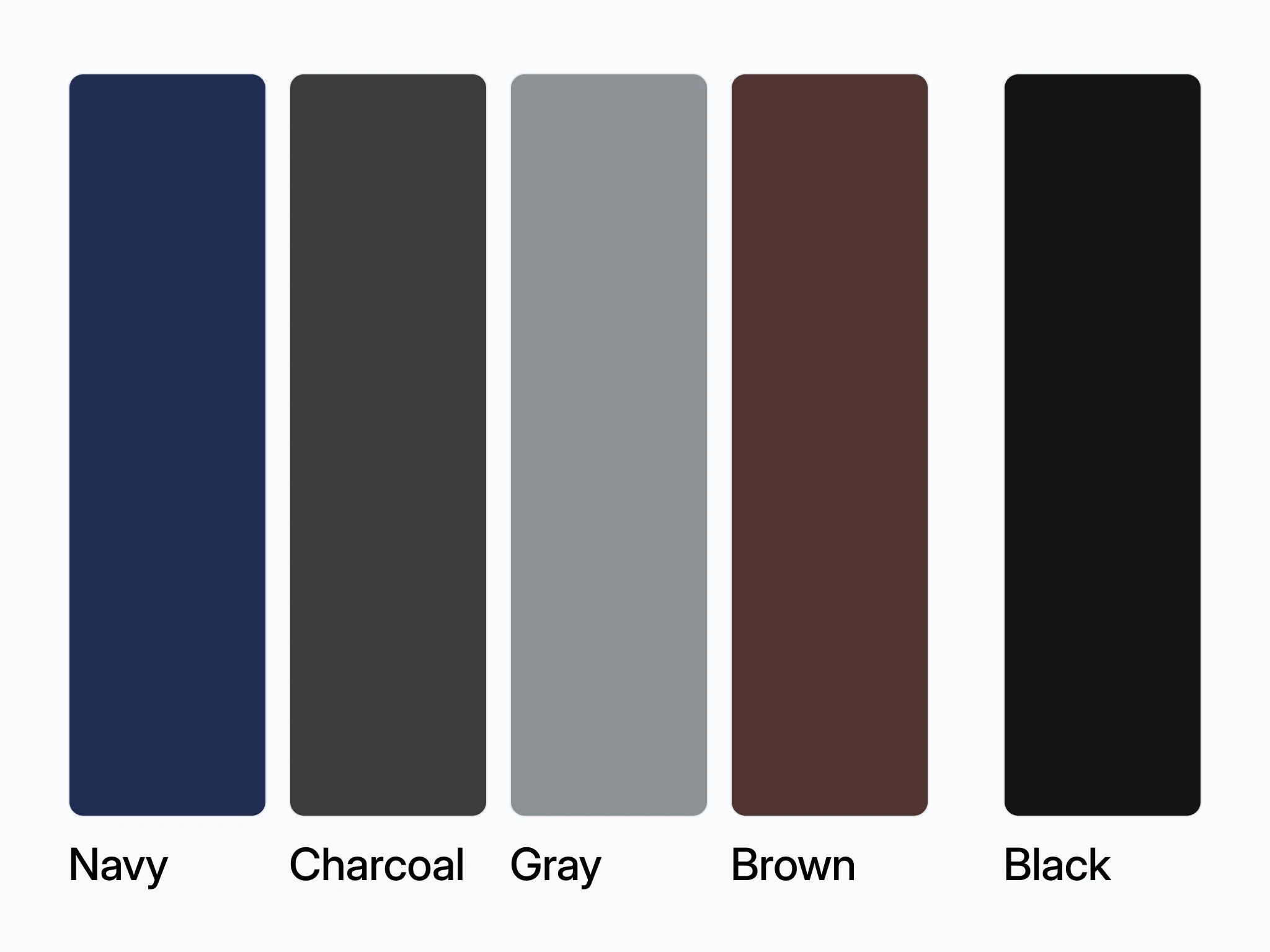
What suit color actually suits you
Navy, charcoal, gray, brown or black? The suit colors each of the 12 color seasons can wear as a jacket, and why black works for only three of them.
Sample analysis
See it on a real man first.
The sample analysis is Filip's: a Deep Autumn, a Trapezoid with a medium line. Open it, click around, then start yours.
Color for men
Where it shows up in a men's wardrobe
Your white. Pure white shirt versus ivory is the fastest tell there is. Warm coloring next to optic white looks washed out. Cool coloring next to ivory looks dingy. Soft white, a muted off-white, sits between the two. Every man owns white shirts; almost no man owns the right one on purpose.
Your "black." Black is the default menswear anchor, and near the face it suits fewer men than it is sold to. In the Wearly Labs season palettes, black is a Wear, collar included, for the three Winters only. The other nine seasons get it as a Depends: trousers, shoes, a belt. For those nine the fix is not exotic. Chocolate or espresso for most warm coloring, soft navy for the cool, soft Summers: either one grounds an outfit the way black does and lets your face keep its color.
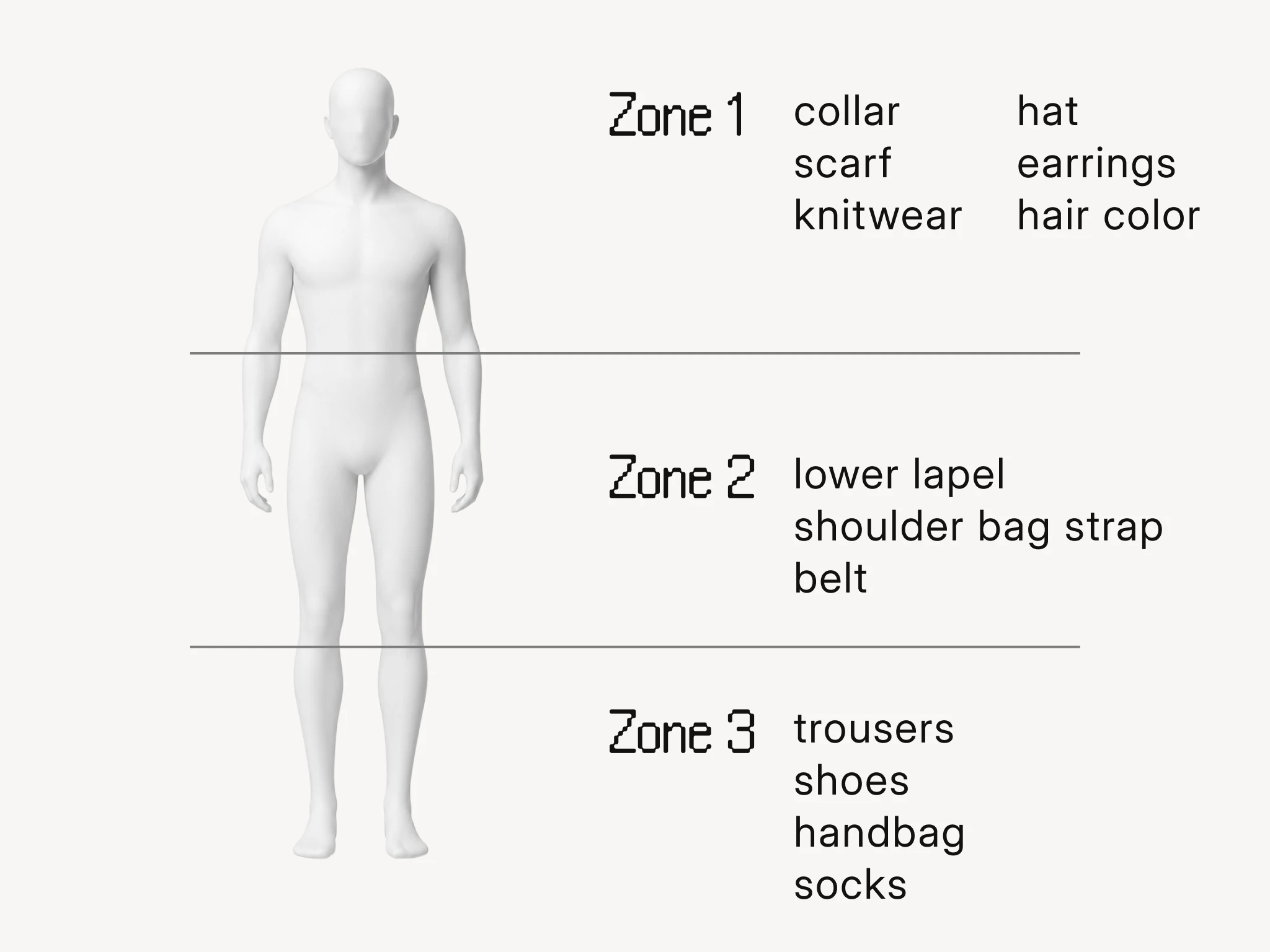
Your denim wash. Light, mid, or dark wash is a value decision. Match it to your natural depth and jeans stop being random. The wash matters most where denim comes up to your face, in a denim shirt or a trucker jacket. Jeans sit in zone 3, where a wash that is wrong at the collar still works.
Your metal. Watch, belt buckle, wedding ring, glasses frames. Gold and brass on warm undertones, silver and steel on cool. Hold something steel and something gold against your jaw by a window, and if neither wins, run the undertone tests at home. That settles a lifetime of watch-strap debates.
Your power color. Every season has one shade that makes people say "you look well" without knowing why. For a True Autumn man it is often rust. For a Bright Winter, a saturated royal blue. Knowing yours means one sweater purchase per year does the work of five.
The five anchors in one real analysis
The sample analysis is the real result of co-founder Filip Poláček, published with his consent. He is a Deep Autumn: dark, warm and saturated. Each of his 50 colors gets a verdict, Wear, Depends or Skip, with its reason, and Depends means below the waist or as an accent only, which is zones 2 and 3 in the picture above.
| Anchor | What decides it | In the sample analysis |
|---|---|---|
| White | Undertone first | Ivory is a Wear: it "carries enough warmth to sit at the collar". Pure white and soft white are Depends, for trousers and shoes. |
| Black | Undertone and depth | Espresso is his black. Black itself is a Depends, below the waist, because "its coolness sits wrong close to your skin". |
| Denim | Depth | Light and medium denim are both Depends, below the waist only. Jeans, yes. A denim shirt, no. |
| Metal | Undertone | Gold, with bronze, copper and brass. Mirror-bright silver stays away from his face; antiqued silver or dark gunmetal works in a single piece. |
| Power color | The whole season | Rust, named in his AI profile. |
FAQ
Questions men ask before they start.
Yes. Undertone, depth and clarity work the same way on any face, so the 12 seasons apply as they are. What changes is where the colors land: a shirt collar, a knit, a suit and a tie rather than makeup, which is how the men's guides are written.
Triangle, trapezoid, rectangle, inverted triangle and oval. Each names where a frame carries its width, and the analysis pairs it with a line, sharp, medium or soft, before it judges a cut.
Yes. It is a library of 125+ men's cuts, from jacket shoulders to trouser rises, each with its own verdict and the reason for it. You choose the library in the questionnaire.
It can shift your contrast and add warmth or ash near your face, and it is part of what the photos capture. If you swing between full beard and clean shaven, analyze in your usual state.
It moves your neutrals more than your season. Gray hair shifts your value and often softens contrast, which can nudge your best neutrals. Your undertone stays put. Menswear files it the same way: Flusser's low-contrast group includes gray-haired men. It is one of the better reasons to get an actual read instead of guessing from ten-year-old habits, and the Wearly Labs questionnaire lists gray or white among the natural hair colors, so the analysis reads the hair you have now.
An in-person color analysis costs about $240 to $645 a session in the US. Dressika, Style DNA and Colorwise run from free to about $40. Wearly Labs costs $29 once, for one analysis, with no subscription, no auto-renew and no upsell.
Nobody will say "nice palette." They will say you look rested, or fitter, or ask if you got a haircut. That is the tell.
Another question about the method or your result? Write to us
Find out what suits you, and why.
A short questionnaire and five photos. Your key arrives by email, usually within 10 minutes.