Body shapes
Ten body shapes, and the cuts that follow from each.
A body shape names where your frame carries its width: at the shoulders, the waist or the hips. There are five shapes for women and five for men, and each has a page with the cuts that work, the ones that fight it, and the reason for both.
Not sure which one is yours? Check it in four questions.Your shape
Which one is yours?
Your shape comes from three things you can say about your frame: which is wider, shoulders or hips, what your waist does, and where weight goes first. The analysis reads the same answers together with your two body photos, front and side.
- See the ten side by side.One map of where each shape carries its width, and a table of what defines each one.
- Read your line next.Then comes the second reading. Your line says whether the edges of your frame read sharp or rounded, and it changes the jacket a shape is sent to.
- Get your shape from your own photos.AI reads your two body photos, fixed rules make the call. When a photo contradicts a clear answer, the answer decides. Photos fill in what the questionnaire doesn't ask. Every cut in the library comes back as Wear, Depends or Skip, with its reason.
Which body shape are you?
A quick self-check with the questionnaire's own body questions and the rules that turn them into a shape. The analysis reads the same answers together with your two body photos, front and side.
Question 1 of 4
Which cut library should we use?
It decides the cuts and the example outfits.
Choose a shape
Start with the wardrobe, then the proportion that matches yours. Where you are unsure between two, the map below puts the five of each wardrobe side by side.
Women
- HourglassShoulders and hips level with each other and a waist that clearly narrows between them.
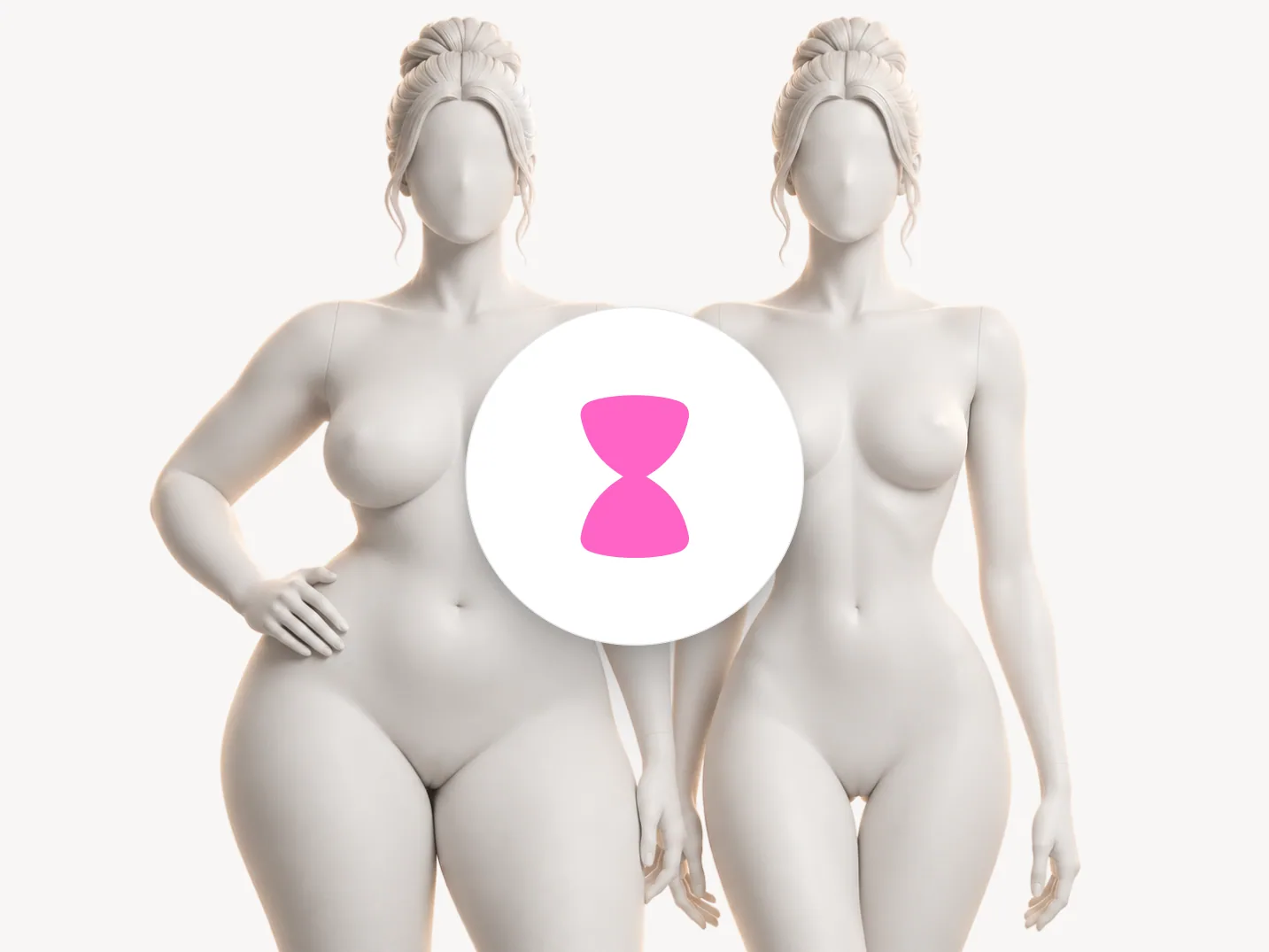
- PearHips carrying more width than the shoulders.
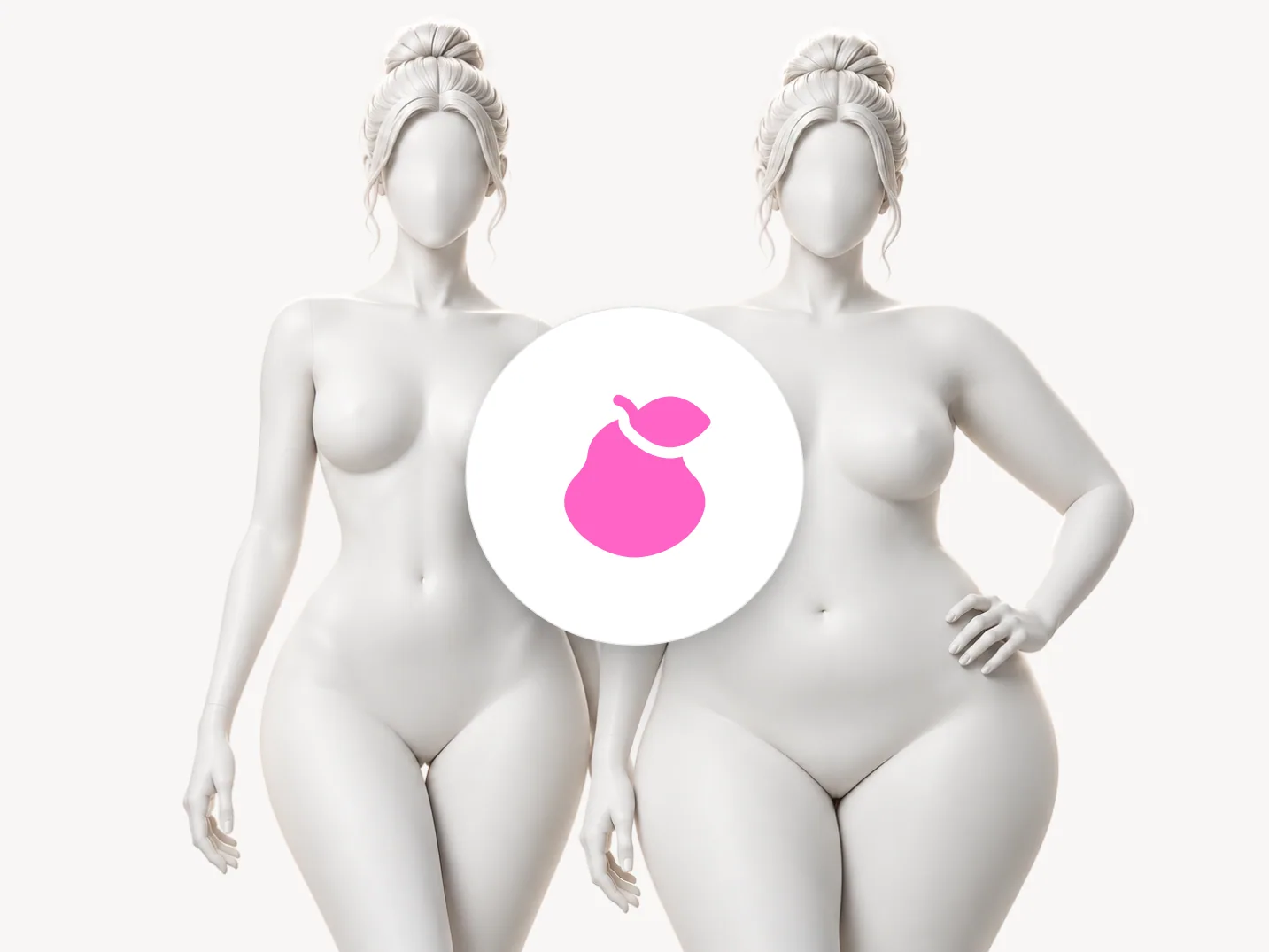
- RectangleShoulders, waist and hips running close to the same width, with no sharp narrowing at the waist.
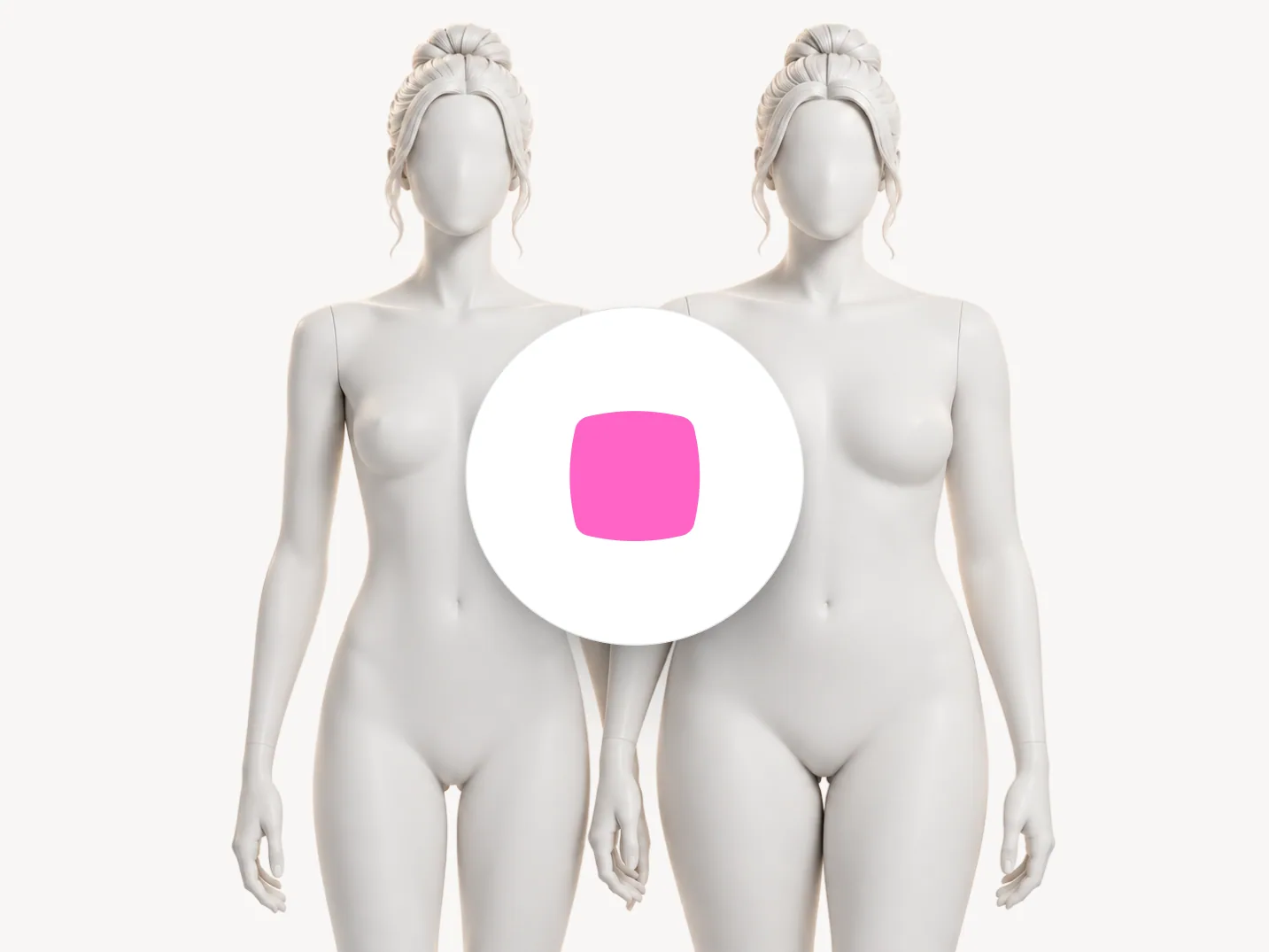
- Inverted TriangleShoulders carrying more width than the hips.
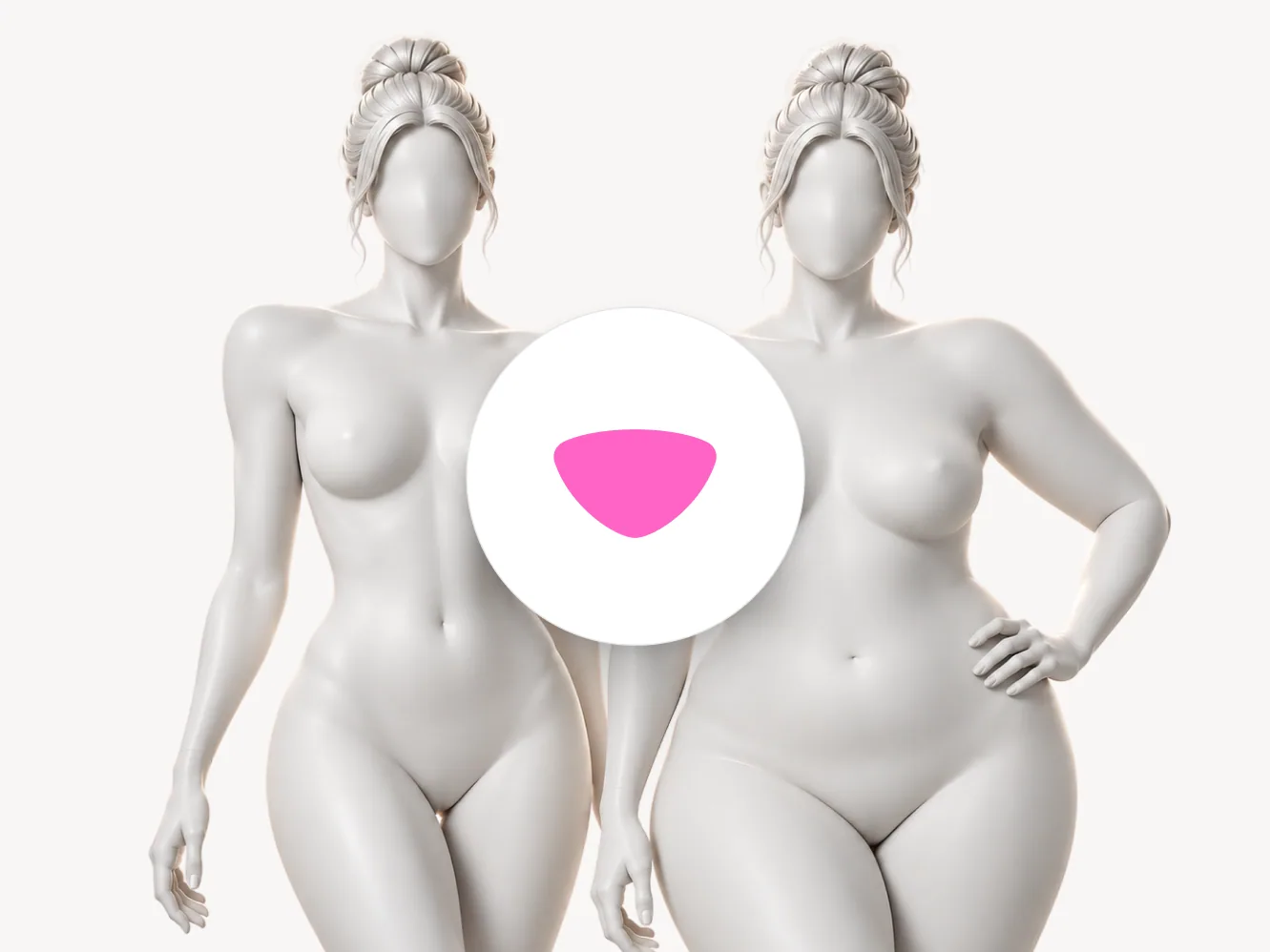
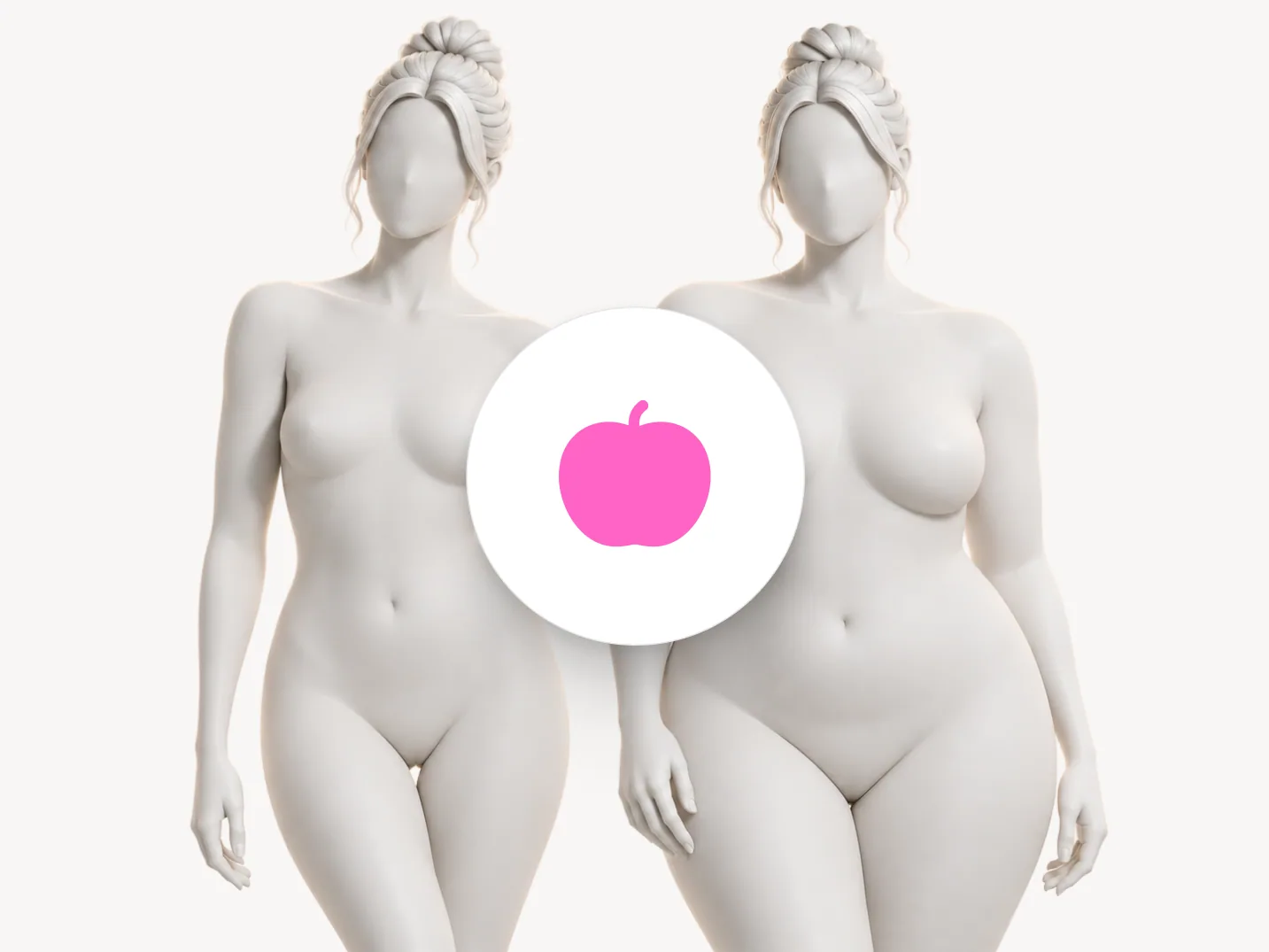
- AppleVolume gathered around the middle, with the waist the fullest part of the frame.
Men
- TriangleWaist and hips carrying more width than the shoulders.
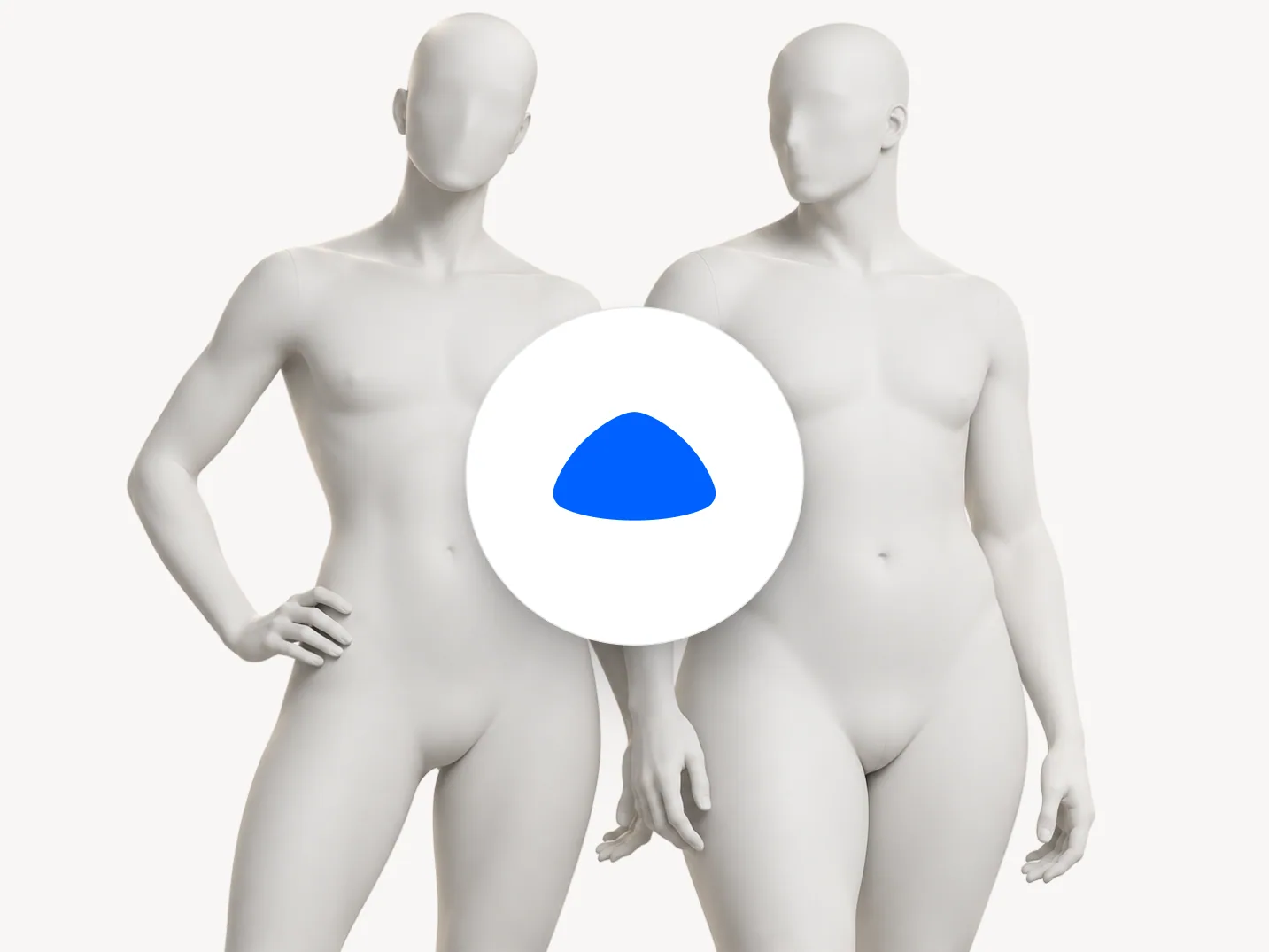
- TrapezoidShoulders a little broader than the hips, narrowing gradually.
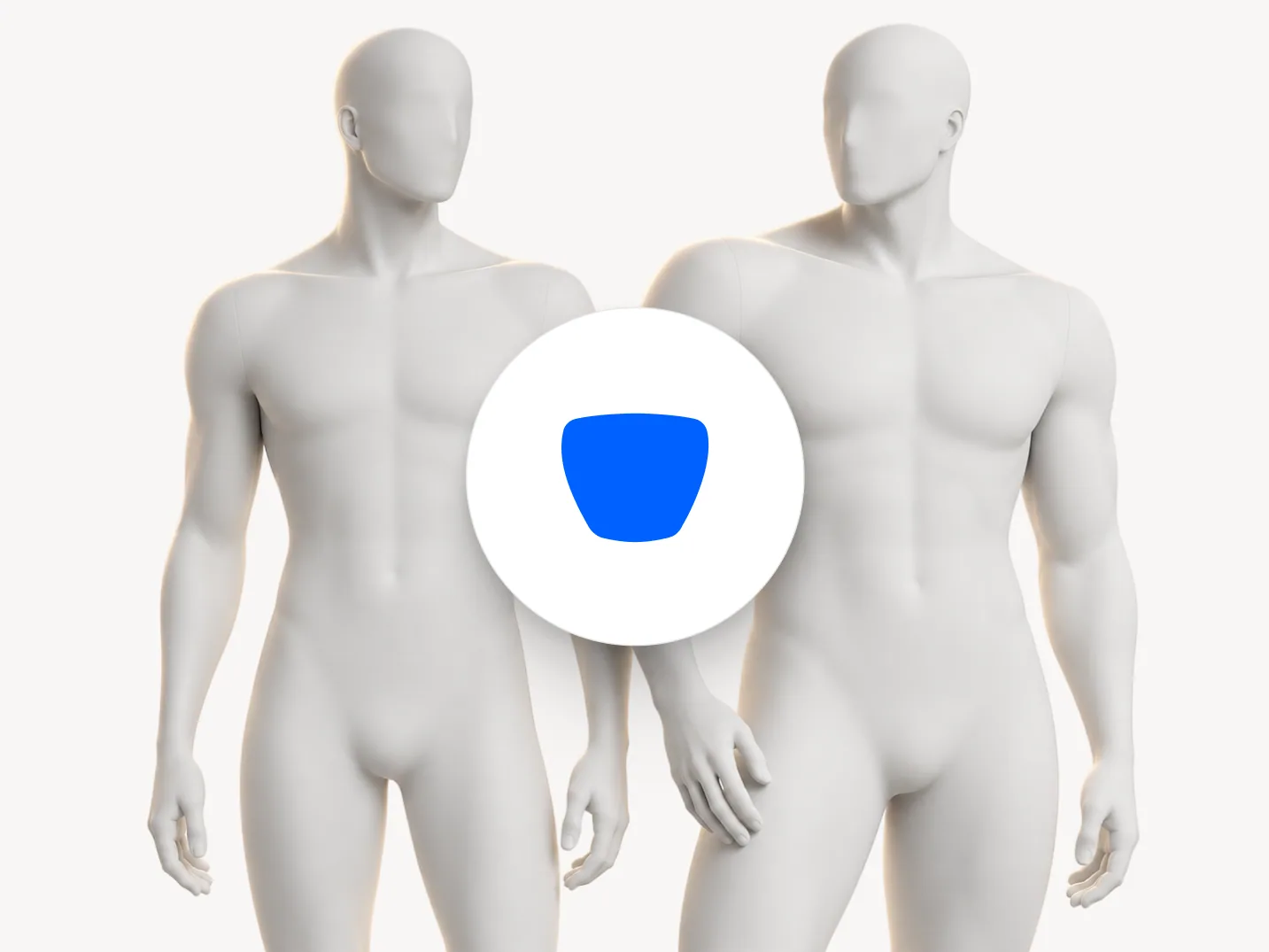
- RectangleShoulders, waist and hips running close to the same width, with no sharp narrowing at the waist.
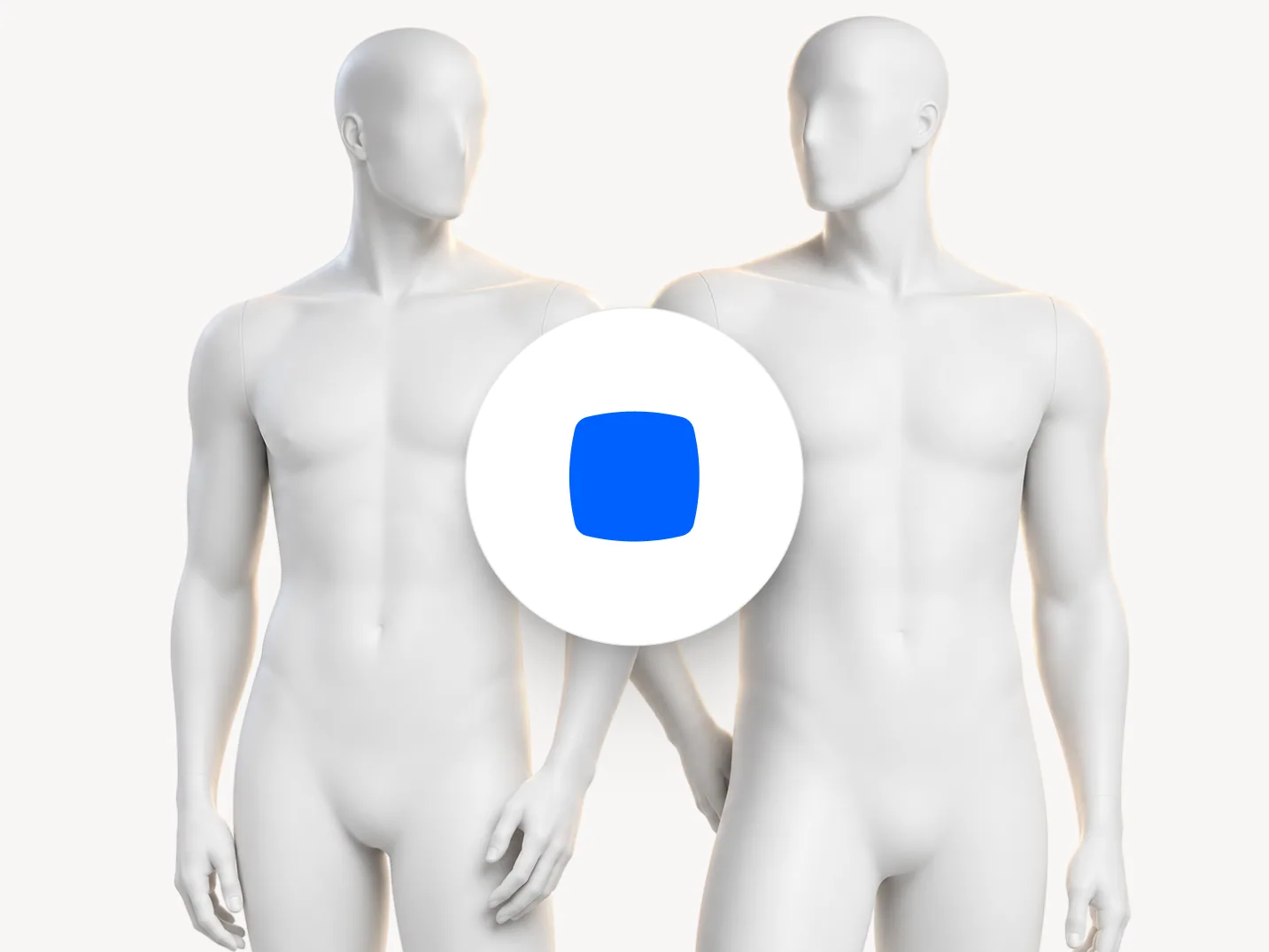
- Inverted TriangleShoulders much broader than the hips, narrowing sharply to the waist.

- OvalVolume gathered around the middle, with the waist the fullest part of the frame.
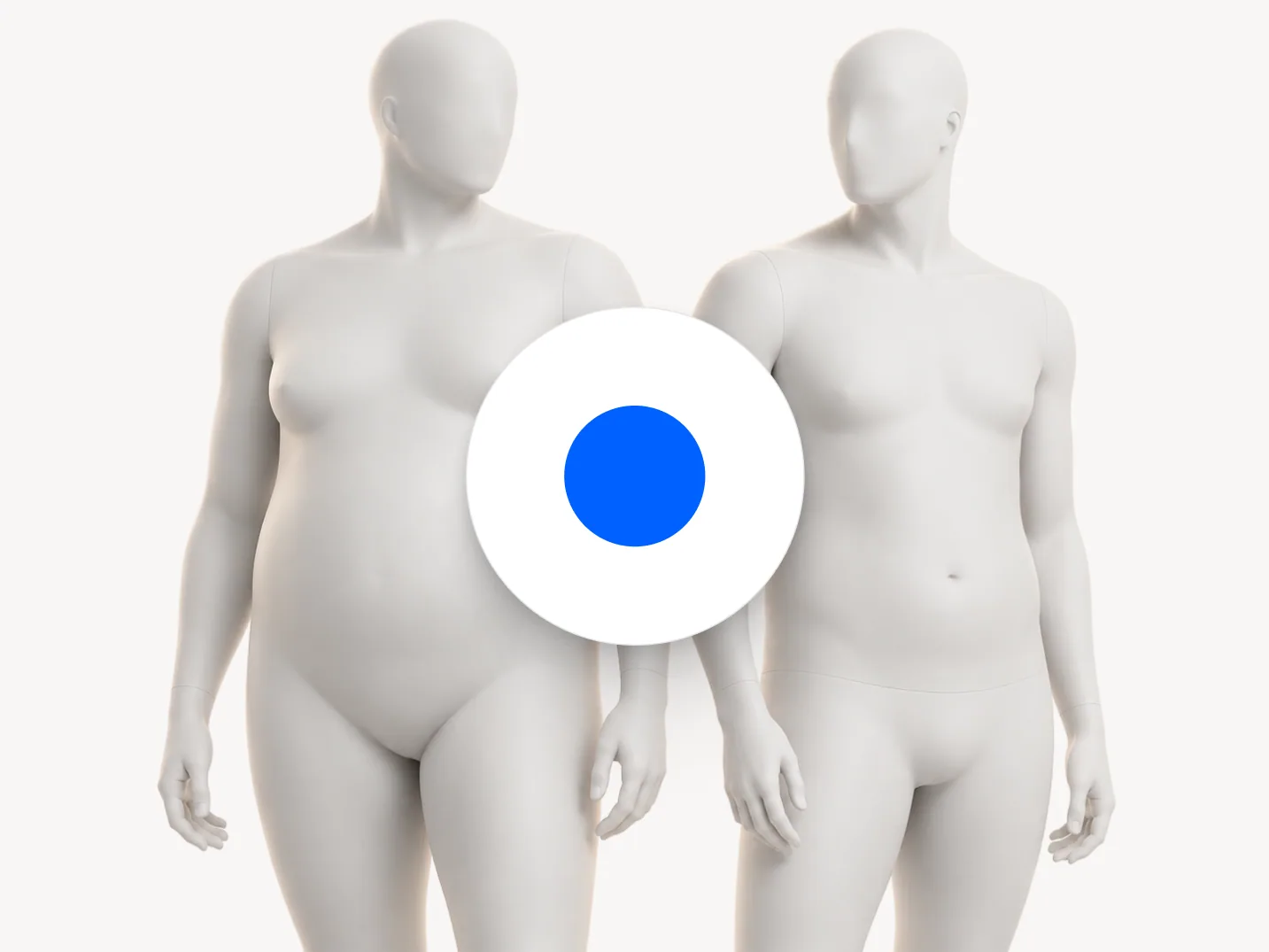
Side by side
Where each shape carries its width
Shoulders, waist and hips are compared with each other, never with a standard. Across the map, whether the shoulders or the hips are wider; down it, how the waist compares with both.
Women's
Hourglass
Shoulders and hips level with each other and a waist that clearly narrows between them.
Widest at no single point; the frame reads level
The Hourglass, in fullPlaced by the relative widths that define each shape. Schematic, not a measurement.
| Shape | Widest at | What defines it |
|---|---|---|
| Women's | ||
| Hourglass | no single point; the frame reads level | shoulders and hips level with each other and a waist that clearly narrows between them |
| Pear | your hips | hips carrying more width than the shoulders |
| Rectangle | no single point; the frame reads level | shoulders, waist and hips running close to the same width, with no sharp narrowing at the waist |
| Inverted Triangle | your shoulders | shoulders carrying more width than the hips |
| Apple | your midsection | volume gathered around the middle, with the waist the fullest part of the frame |
| Men's | ||
| Triangle | your hips | waist and hips carrying more width than the shoulders |
| Trapezoid | your shoulders | shoulders a little broader than the hips, narrowing gradually |
| Rectangle | no single point; the frame reads level | shoulders, waist and hips running close to the same width, with no sharp narrowing at the waist |
| Inverted Triangle | your shoulders | shoulders much broader than the hips, narrowing sharply to the waist |
| Oval | your midsection | volume gathered around the middle, with the waist the fullest part of the frame |
The second reading
Your line decides what the shape cannot
Shape says where the width sits. Line says whether the edges of the frame read straight or rounded, and it changes the structure, the shoulder and the fabric a cut should have. It comes in three levels.
FAQ
Questions about body shapes.
Ten: five for women and five for men. The women's shapes are Hourglass, Pear, Rectangle, Inverted Triangle, and Apple. The men's shapes are Triangle, Trapezoid, Rectangle, Inverted Triangle, and Oval.
From your answers and the two body photos, front and side, weighed by fixed rules. When a photo contradicts a clear answer, the answer decides. Photos fill in what the questionnaire doesn't ask.
Shape says where your frame carries its width: shoulders, waist or hips. Line says how angular it reads: sharp, medium or soft. A cut needs both, which is why two people with the same shape can be sent to different jackets.
No. Each wardrobe has its own five shapes and its own cut library. Rectangle and Inverted Triangle exist in both, and each has a page for women and a page for men.
No. A shape is a name for where your frame carries its width, not a problem to correct. Each page says which cuts balance the shape and the reason why.
Another question about the method or your result? Write to us
Find out what suits you, and why.
A short questionnaire and five photos. Your key arrives by email, usually within 10 minutes.