Color analysis
Your season, 50 colors, and the reason behind every one.
Color analysis from your own photos and answers: we place you in one of 12 color seasons. Then each of 50 colors gets a verdict, Wear, Depends or Skip, with the reason.
- 12 seasons
- 50 color verdicts
- men and women
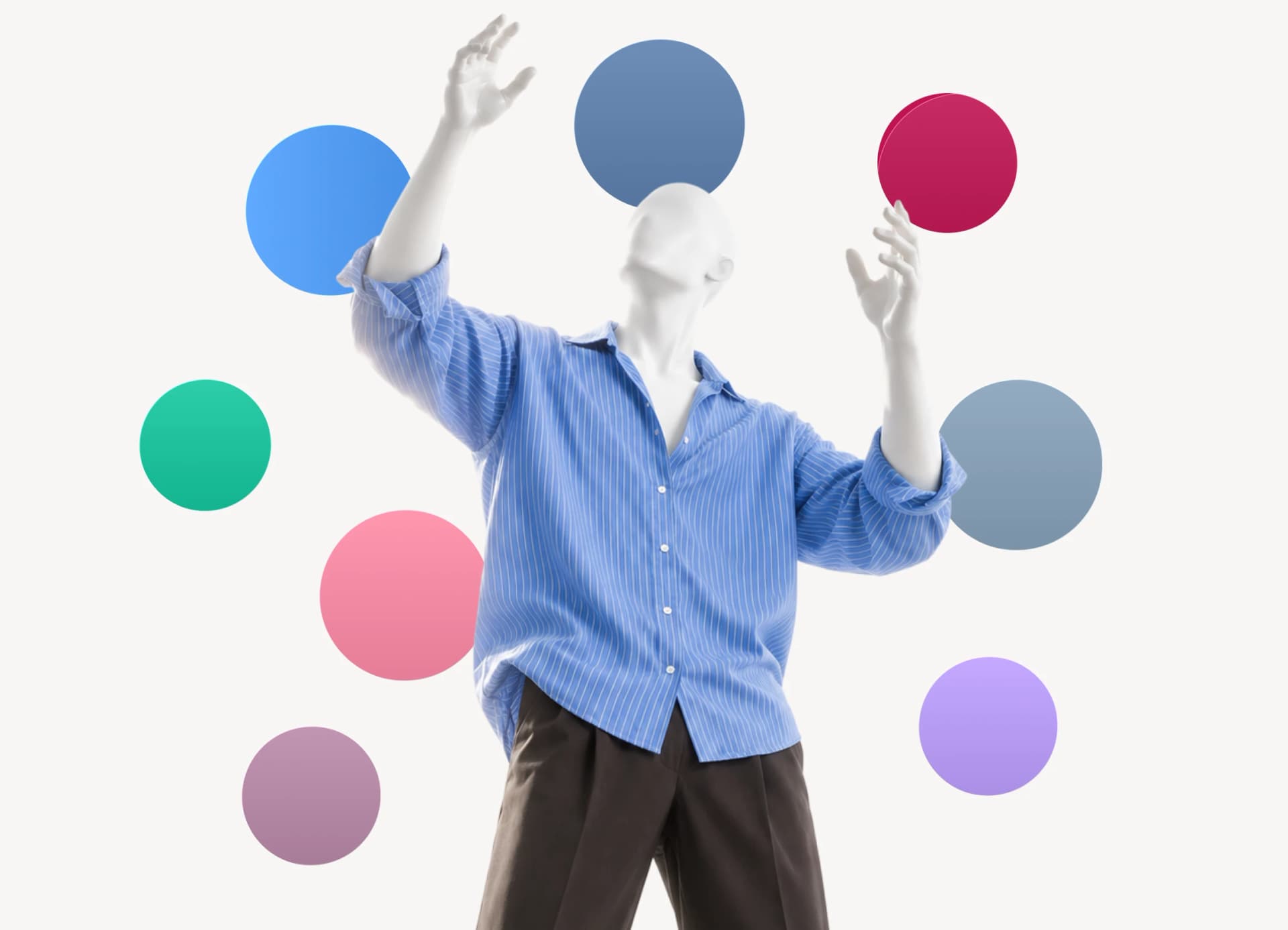
What decides your season
Three axes decide your season.
Undertone, value and chroma are read separately. Your season is the point where the three meet.
Your face photos, taken next to a white sheet of paper so the light can be corrected, and your answers feed all three. Where a photo leaves a reading open, your answers decide.
Undertone
coolwarmWhether your skin leans golden or rosy. The biggest single factor, and the reason one red flatters a friend and grays you.
Value
lightdeepHow light or deep your coloring is overall, across skin, hair and eyes.
Chroma
mutedbrightHow much saturation you can carry before a color starts wearing you.
The markers show the sample analysis: Dark Autumn.
How a verdict is madeSame color, different season
The same color gets a different verdict in each season.
A color is not good or bad. It fits one season's undertone, depth and saturation and fights another's. Here are six colors judged for the four True seasons by the same rules that judge the 50 colors on your own page.
| Color | True Spring | True Summer | True Autumn | True Winter |
|---|---|---|---|---|
| Rust | ||||
| Coral | ||||
| Royal blue | ||||
| Black | ||||
| Ivory | ||||
| Camel |
Wear works anywhere, the face included. Depends works below the waist or as an accent. Skip does not work, wherever it goes. Open a season to see all 50 of its verdicts.
Twelve seasons, and where you land in them.
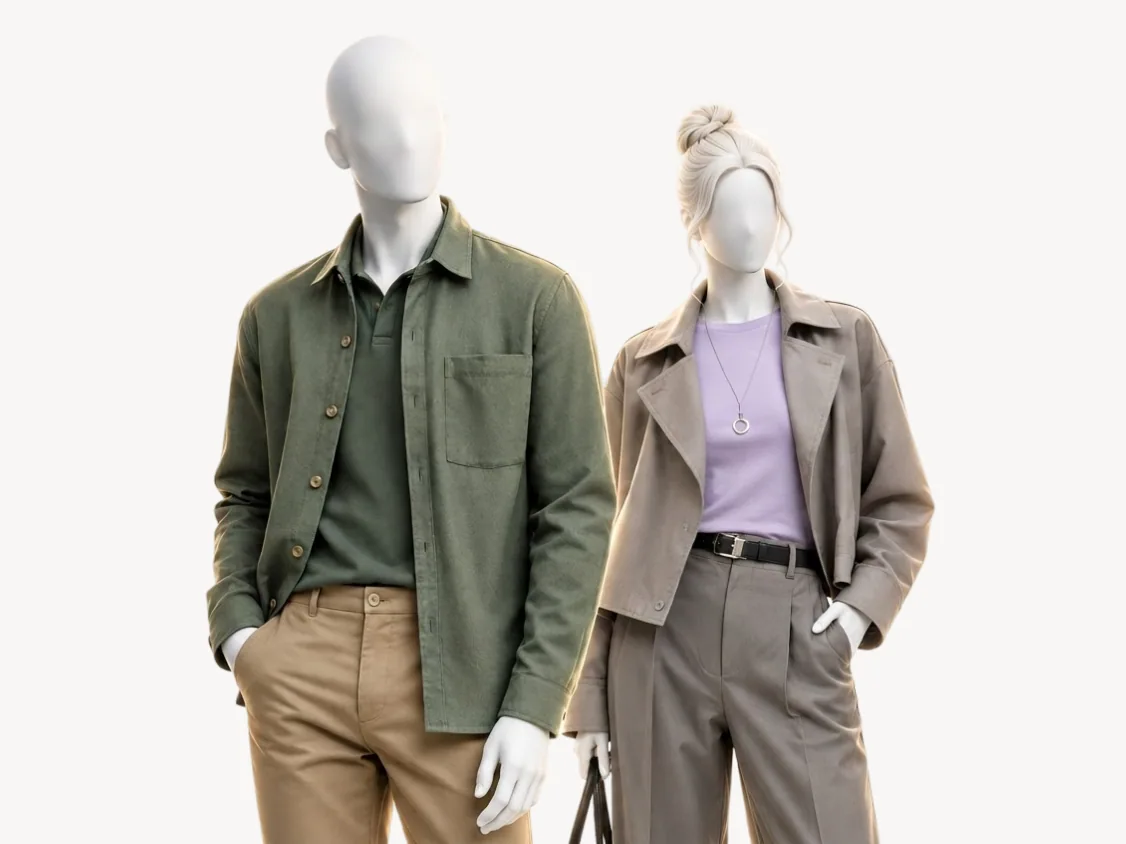
Four families, split three ways: how warm your coloring runs, how light or deep it is, and how much saturation it carries. Those three answers put you in one of the twelve, and the palette follows from it.
Spring
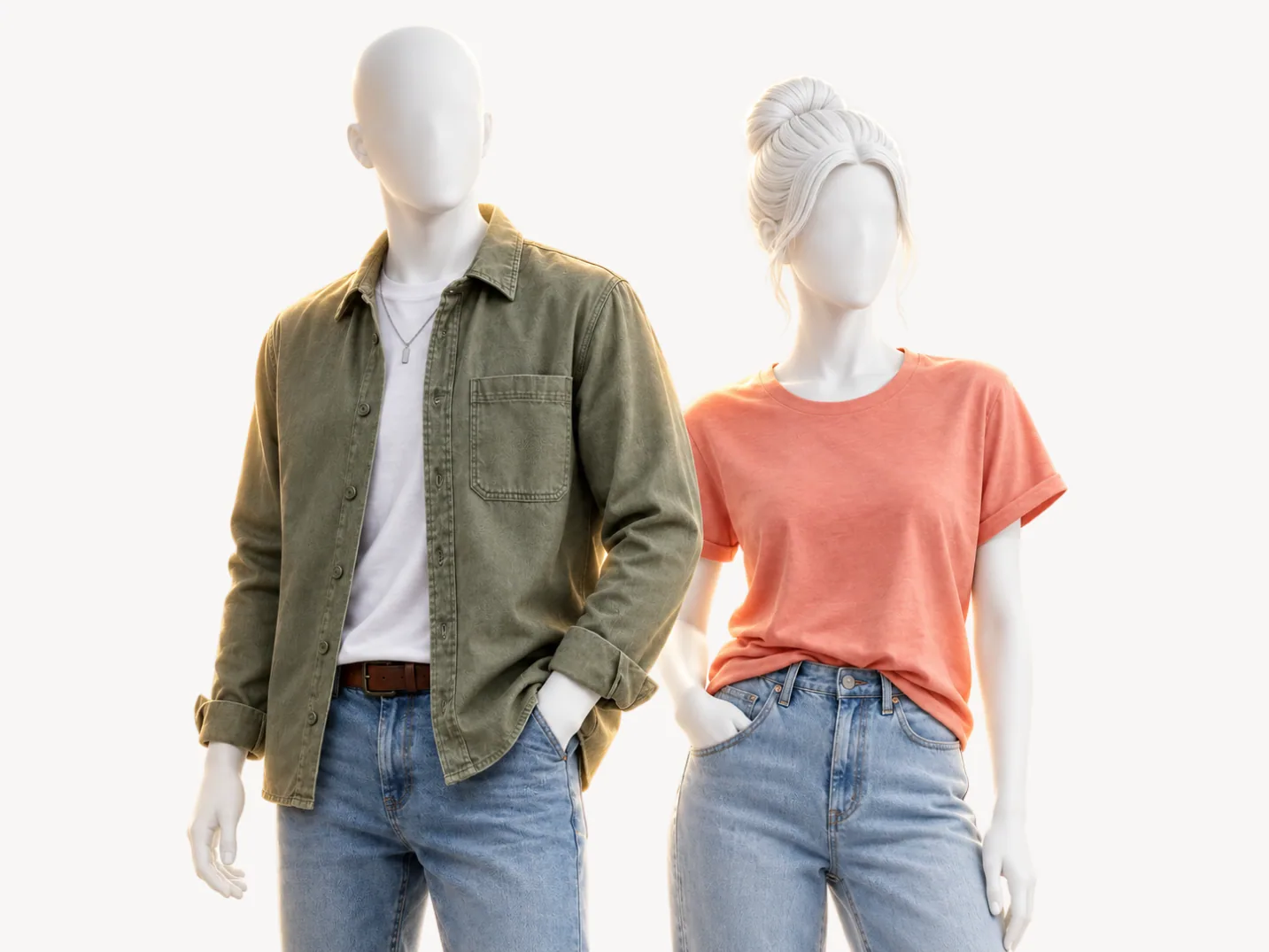
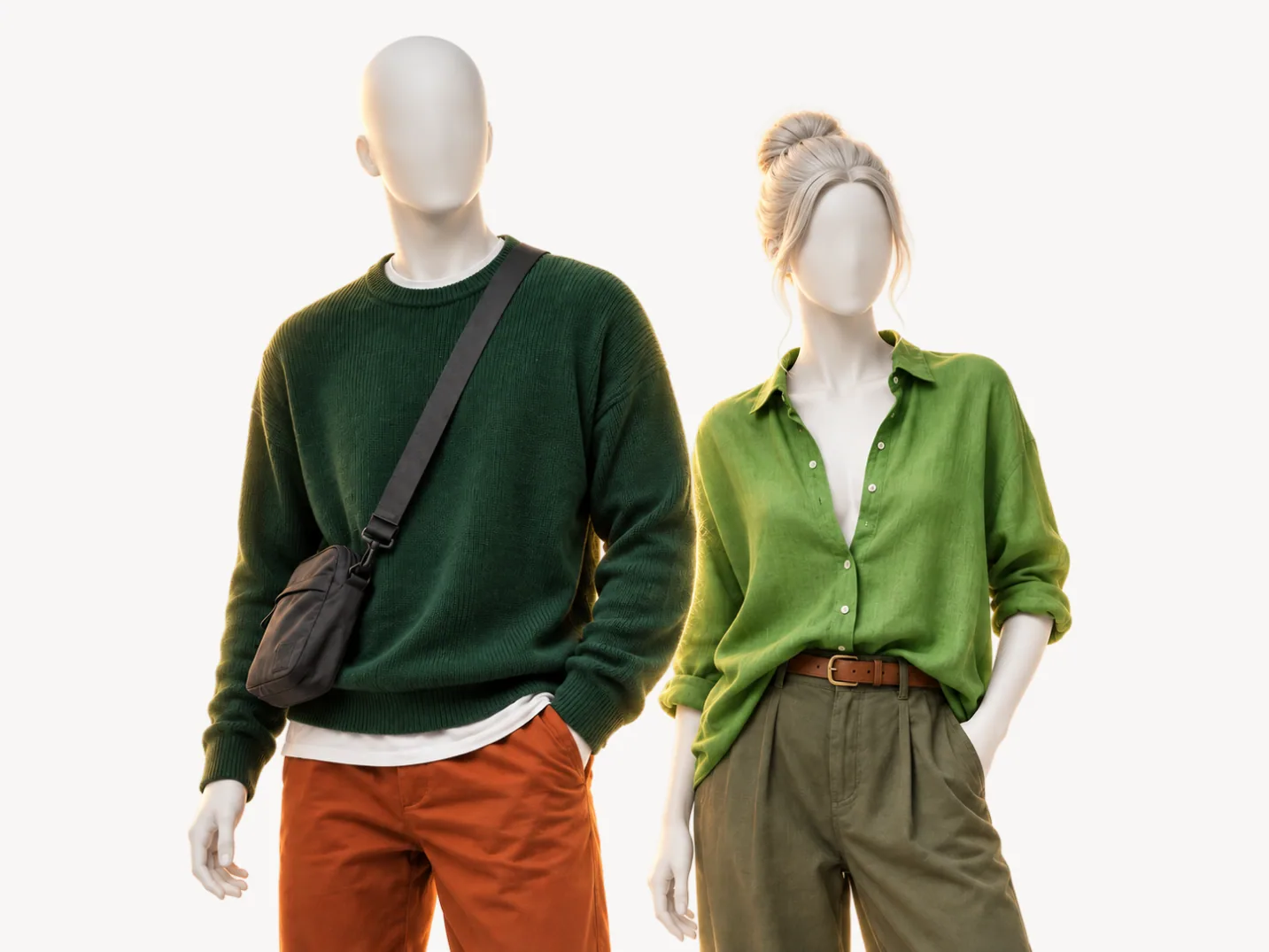
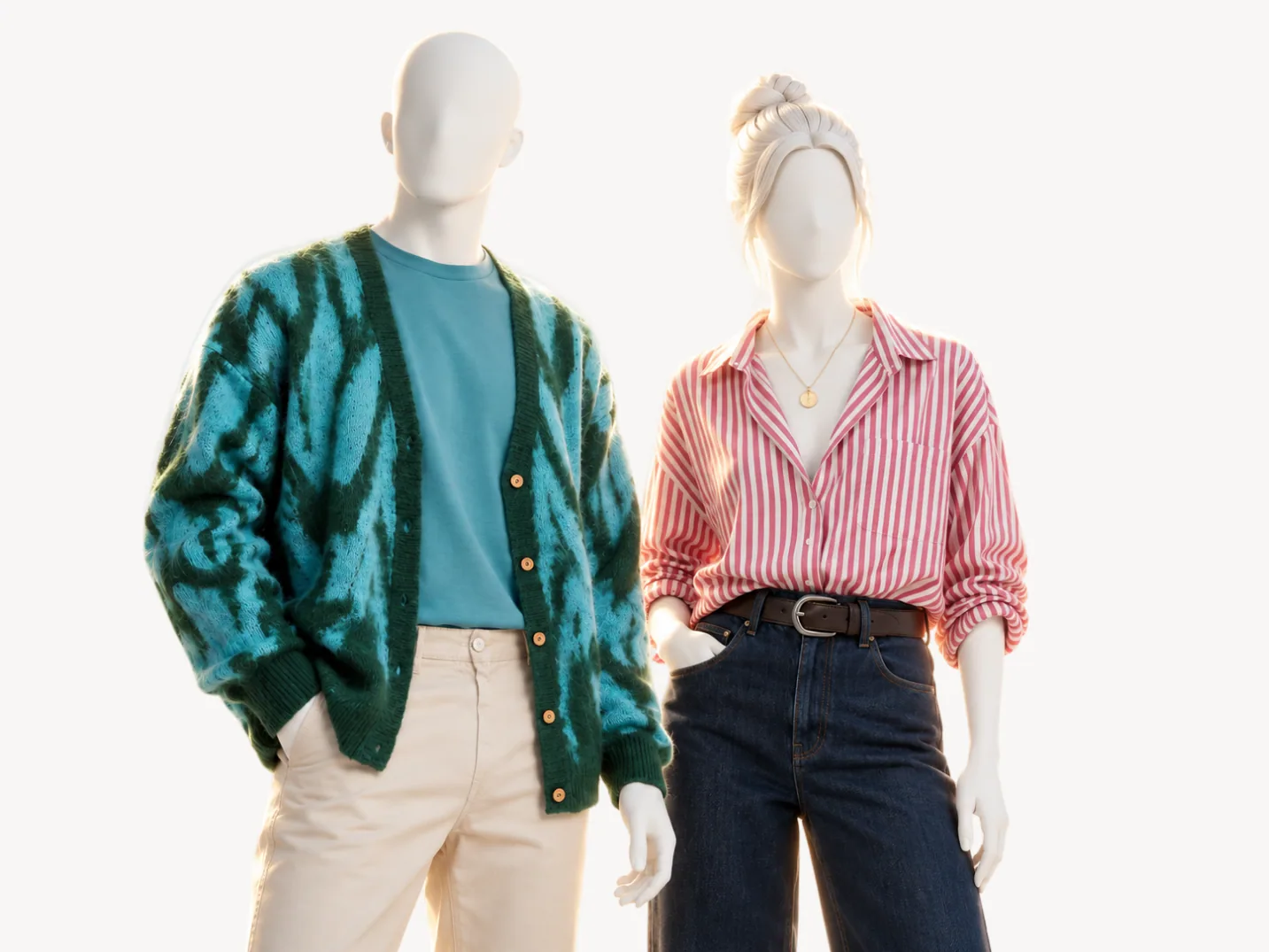
Summer


Autumn


What you get
50 colors, each with a verdict and a reason.
Every color gets Wear, Depends or Skip and one sentence on why. These six are from the sample analysis, a Dark Autumn; your page lists all 50.
- Works anywhere, the face included.
- Yours in one place only: below the waist, or as an accent.
- Not your color, not even as an accent.
Dark Autumn colors
6 of 50
- WineLead with it: knit or coat.
- RustWarm, dark and softened just like your own natural coloring.
- OliveMuted and warm, it never fights the depth in your skin.
- BlackClear and deep, but its coolness sits wrong close to your skin.
- Pure whiteClean and bright, but with none of the warmth your face needs.
- Ice blueIts undertone works against yours, leaving your skin looking tired.
Learn more
Learn more about color analysis
- The method, in the openWhat goes into a verdict, what decides your season, and what the analysis cannot see.
- Seasonal color analysis, explainedWhat seasonal color analysis measures, how undertone, value and chroma name the 12 seasons, and how to get a rough read on yourself at home.
- Find your undertone at home (warm, cool, or neutral)Three daylight tests to find your undertone at home: wrist veins, gold vs silver, white paper. Plus how to read a neutral or olive result.
- How to take photos for an accurate color analysisThe light, the angles, and the white paper trick. How to take five photos that give a color analysis something real to work with.
- Color and body type analysis comparedA consultant, an AI chat, a selfie app and Wearly Labs side by side, with a source for every claim about the others.
FAQ
What people ask.
Spring, Summer, Autumn and Winter, each split three ways by how light, muted or bright the coloring is: Light, True and Bright Spring, Light, True and Soft Summer, Soft, True and Dark Autumn, and Dark, True and Bright Winter. Which one is yours depends on three things read together: your undertone, how light or deep your coloring is, and how much saturation it carries.
Wear means the color works anywhere on you, the face included. Depends means it is yours in one place only, below the waist or as an accent, and your page says which. Skip means it works against your coloring wherever you put it. Each verdict comes with a sentence on why, for example "clear and deep, but its coolness sits wrong close to your skin" for black on a Dark Autumn.
A draping session has one advantage we cannot match: a stylist holding real fabric against your face in controlled light. What it does not have is a written record you can check afterwards. Ours gives you the season, the reasoning behind it, and a verdict on 50 individual colors you can re-read in a shop, for a fraction of the price. Where a photo is ambiguous, your own answers decide rather than the camera.
Plenty of people do, and your page says so instead of hiding it. You get one season as the verdict, the readings it was decided on, and where it applies a named sister season with an explanation of what changes between the two. In practice the two share most of their palette, so the colors you can act on are the same either way.
Your undertone does not change, and that is the axis the season is built on. Hair color and a tan shift how much contrast and depth you can carry, which is a styling adjustment rather than a new season. If you have dyed your hair a long way from its natural color, tell us in the questionnaire and the analysis accounts for it.
It is built to. The twelve season system reads undertone, value and chroma, which every complexion has, rather than sorting people into a shortlist of skin tones. Photographs are the weak link here, not skin: a camera and a light bulb can shift how warm anyone looks. That is why your own answers outrank the photos wherever the two disagree.
Both. Every color in your palette is shown as a swatch with its name and the reason for its verdict, and your AI profile lists them in text so an AI assistant can match them against a product page.
Find out what suits you, and why.
A short questionnaire and five photos. Your key arrives by email, usually within 10 minutes.