women's body shape
The Apple, and the cuts that follow from it.
Your volume sits around the middle, so the work is to skim the waist rather than cinch it and let your shoulders and legs lead. Here is what that means in practice, and why the shape on its own is only half of what decides a cut.
- Widest at your midsection
- 125+ cuts scored
- 10 minutes to get yours
Last updated
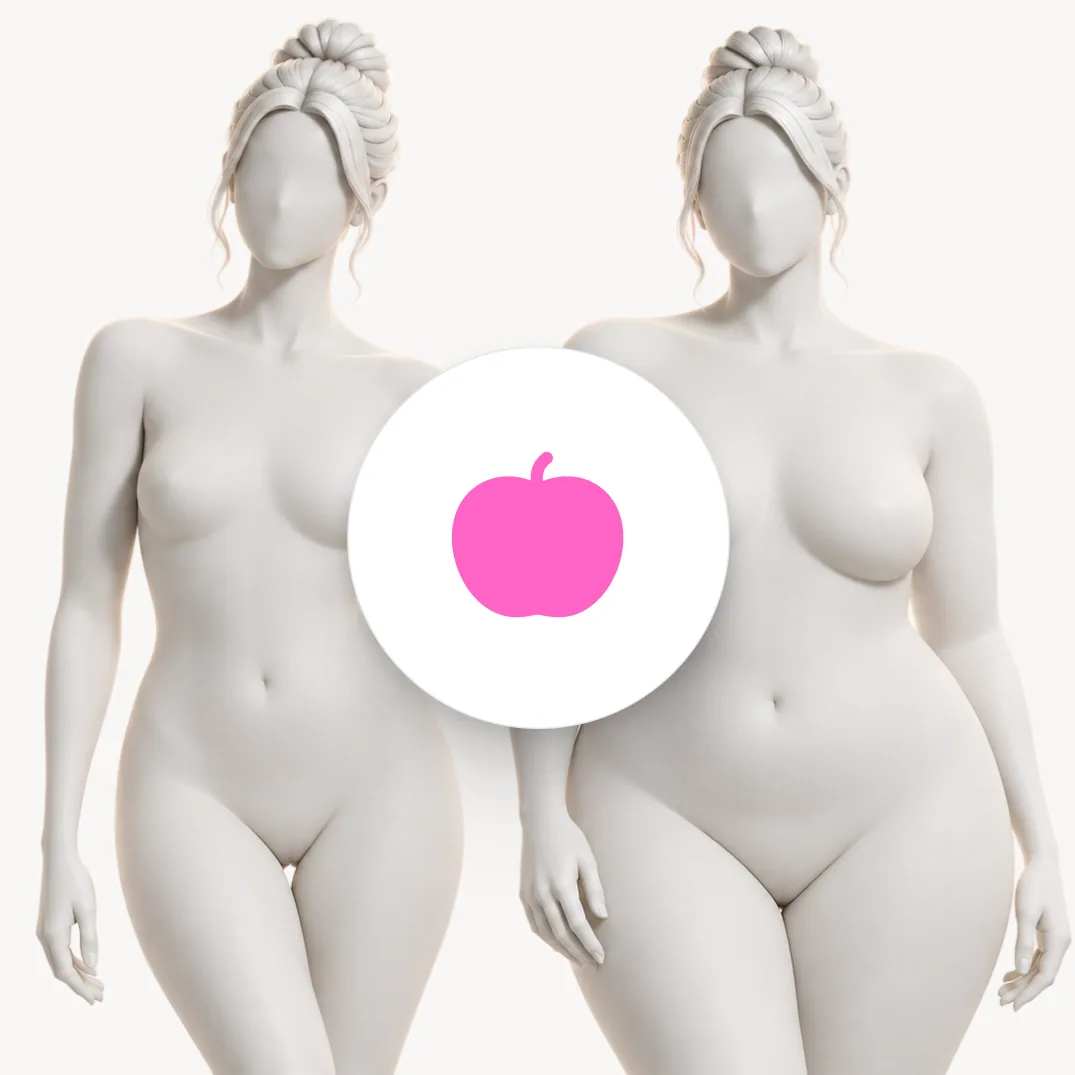
Apple at a glance
Volume gathered around the middle, with the waist the fullest part of the frame.
- Widest at
- Your midsection.
- Closest shapes
- Rectangle and Hourglass
- Three to wear
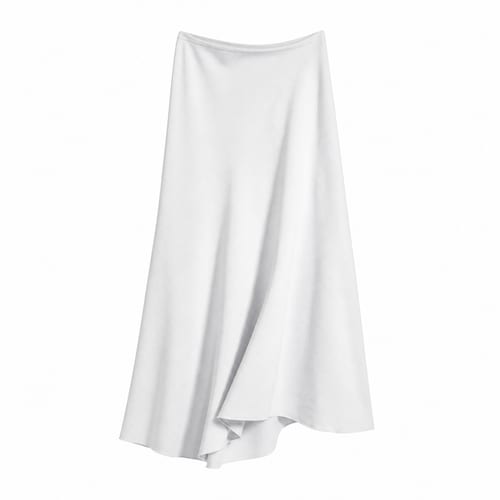 Bias midi
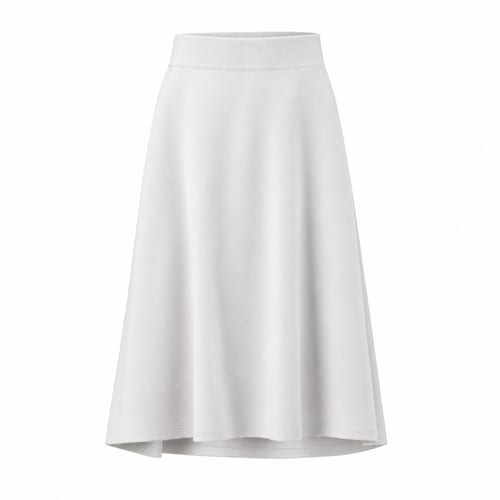 A-line midi
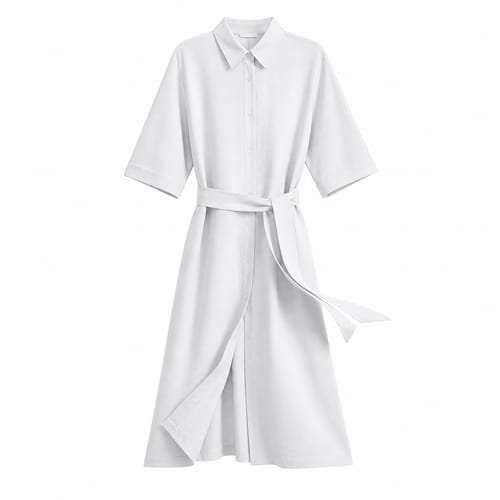 Shirt dress
- Three to skip
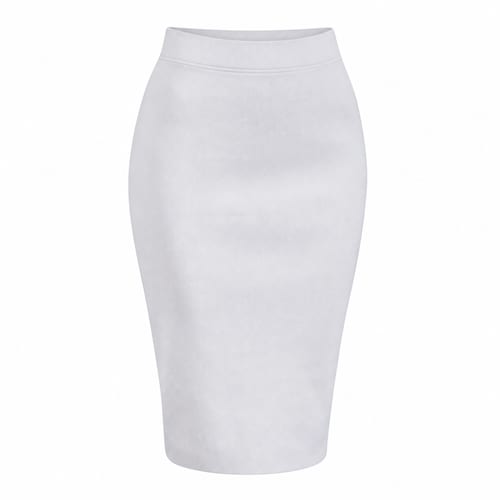 Rigid pencil skirt
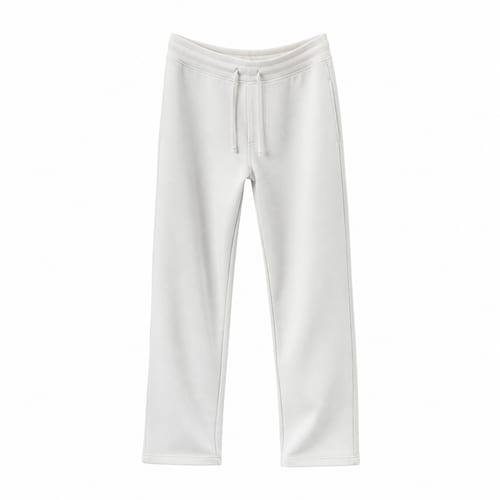 Low rise
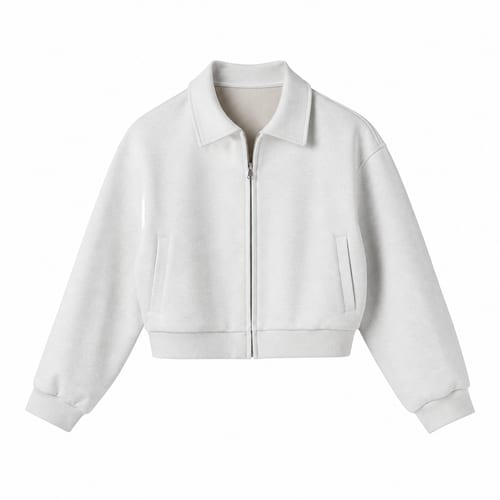 Cropped jacket
Each list below gives the reason for every piece. Your line, read separately, decides how structured each of them may be.
Where it sits
The Apple among the five women's shapes
Across: whether the shoulders or the hips are wider. Down: how the waist compares with both. The Apple sits closest to the Rectangle and Hourglass.
This page
Apple
Volume gathered around the middle, with the waist the fullest part of the frame.
Widest at your midsection
Placed by the relative widths that define each shape. Schematic, not a measurement.
Am I an apple?
An apple is a frame whose widest measurement is the middle: around the waist and stomach it measures about as much as the bust and the hips, or more, so the torso does not narrow between them.
Clothes suit it when they take their shape from the shoulders and pass over the middle without closing on it, so the eye runs from neckline to hem instead of stopping at a band across the widest point.
A tape measure settles it with three numbers: the bust at its fullest, the middle at its fullest point rather than its narrowest, and the hips around the fullest part of the seat. If the middle comes out level with the other two or above them, that is the apple pattern. Then stand side-on to a mirror, because this shape shows from the side more than from the front.
That side view has a source. The FFIT system, a method for sorting women's figures from 3D body scans published by Simmons, Istook and Devarajan in 2004, files apple in one family with oval, round and diamond. It judges its oval and diamond on the average of three measurements around the middle (waist, stomach and abdomen) rather than on one, and notes that "the side view is where the true characteristics of the Oval shape are seen."
Shopping gives it away too. Skirts and trousers get bought for the waistband and come out roomy through the seat and thigh. A fitted dress that sits right at the bust and the hips creases across the stomach. A jacket that buttons with ease is loose at the shoulders.
Where weight goes first is not the test on its own. The middle has to carry real width, and a waist that still clearly curves in rules the apple out. Width at the middle also outranks the shoulder-to-hip comparison, so hips wider than your shoulders do not stop you being an apple. Wearly Labs assigns one of five women's shapes from your answers and two full-length photos, front and side, weighed by fixed rules, your answers the most.
Your page then shows what decided it, in your own answers. The sample analysis, the real result of co-founder Filip Poláček, explains his shape this way: "You told us your shoulders are wider than your hips, that your waist curves in only slightly, and that weight settles evenly across your frame." Once the middle is settled as your widest point, the useful question is what it does to a garment.
Check it with three questions.
A quick self-check with the questionnaire's own body questions and the rules that turn them into a shape. The analysis reads the same answers together with your two body photos, front and side.
Question 1 of 3
Shoulders or hips?
Look in the mirror straight on: which is wider? Pick the closest silhouette.
What the apple shape actually means for clothes
The width is central and it sits high, so what a garment meets on this frame is contact.
Anything that closes, gathers or grips at the middle has to sit on your widest measurement, and it pulls there. A garment fails on an apple by pulling, and a loose one with nothing fastened at the middle has nothing to pull against.
Watch it happen with a jacket or a wrap dress: fasten it or tie it, then look at the front in a mirror. Creases that fan out from the button or the knot mean the closure sits on your widest measurement. A size up eases the pull but moves the shoulder seam down onto the arm, and the jacket loses the one place it should hang from.
That leaves three levers. A garment hangs from the shoulder seam. A hem lands above the middle or well below it, never across it. A waistband sits at the natural waist or a mid rise just under it, never down on the hip bones, where the middle pushes it lower all day. Definition stays possible when it comes from above or below the widest point: an empire seam, a V neck, a full-length placket.
Pattern follows the same map, and here the shape decides alone. A Breton stripe, a chevron and a snake print are refused on every apple's page, because a top's hem and a skirt's waistband both cross the middle. Where nothing has refused the motif first, the reason printed beside it reads: "It would band across your middle, your widest point." Pinstripes, herringbone and all-over prints are judged on their other merits.
Every card below makes one of those moves: it hangs from the shoulder, or it clears the middle, and most of them do both.
Wear or skip?
Six cuts. Call each one, then see why.
Each of these is on the lists further down, with its reason. Decide whether the Apple wears it before you read on.
- Bias midi
- Rigid pencil skirt
- A-line midi
- Low rise
- Shirt dress
- Cropped jacket
Wear
The cuts that work
- Dresses and skirtsBias midiCut across the grain, the cloth gives a little and settles over the stomach instead of pressing on it, then falls straight to mid-calf.
- Dresses and skirtsA-line midiFitted only down to the natural waist and released from there, so the skirt stands clear of the stomach instead of tracing it.
- Dresses and skirtsShirt dressThe placket draws one vertical from collar to hem, and with the belt worn loose or left off, the dress hangs from the shoulders.
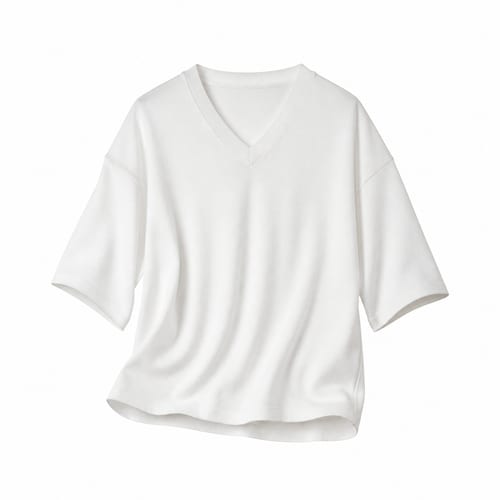 TopsSoft v-neckThe neckline points down from the collarbone, and the regular body falls past the middle without catching on it.
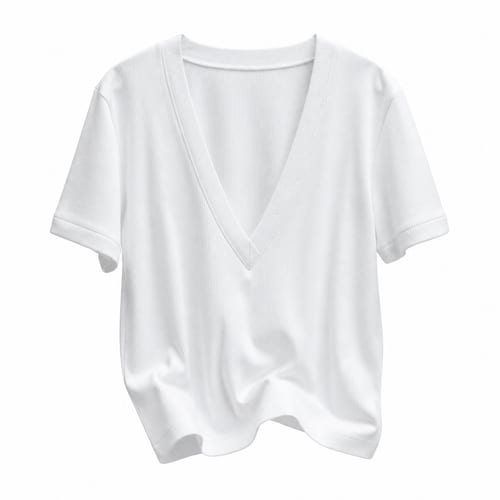 TopsDeep VOpens the longest vertical a top has, so the eye travels down the front before it travels across.
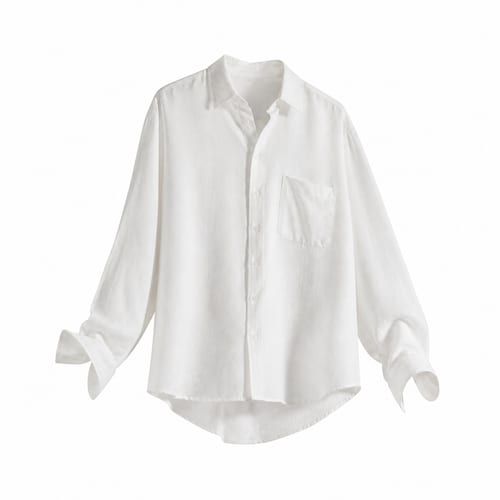 TopsOversized shirtHangs from the shoulder with the placket running its full length, and worn out, its hem ends below the middle.
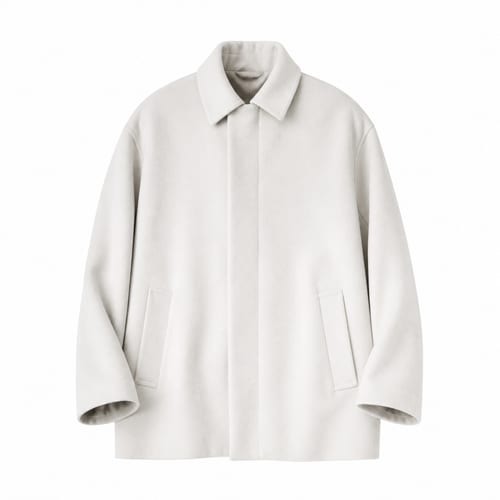 Coats and jacketsStraight coatA firm cloth holds one line from shoulder to hem by itself, with no belt and nothing to fasten at the waist.
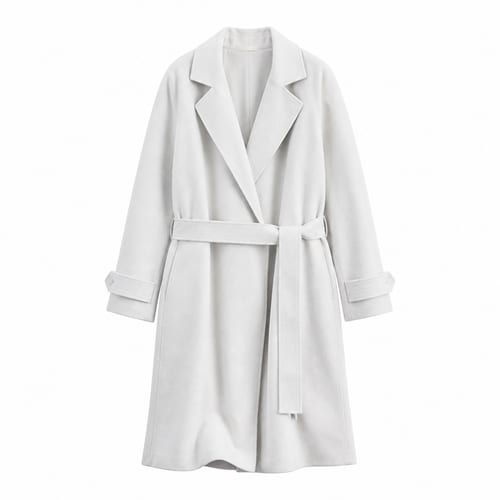 Coats and jacketsTrenchThe straight line in a crisp cloth. Worn open with the belt left in its loops, its two front edges run the full length and nothing closes on the middle.
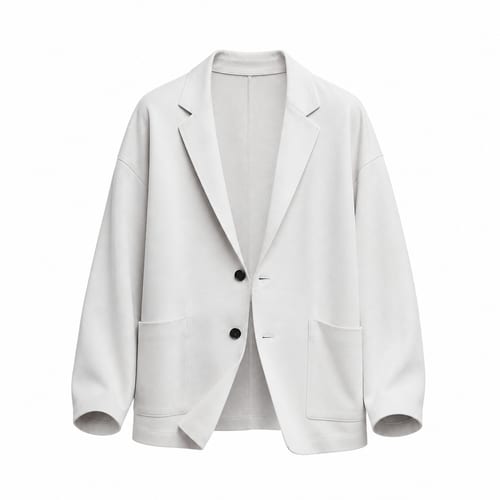 Coats and jacketsBoxy blazer, cut straight and bought in your own sizeTakes its width from your shoulder and ends at the hip, below the middle. Two sizes up, the shoulder seam drops onto the arm and the jacket loses its anchor.
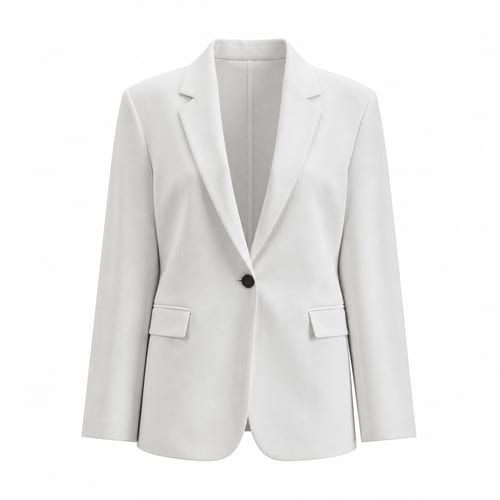 Coats and jacketsSoft-shoulder shaped blazer, worn openThe shaping sits in the seams rather than in a button, so open it shows two long front edges and no closure across the middle.
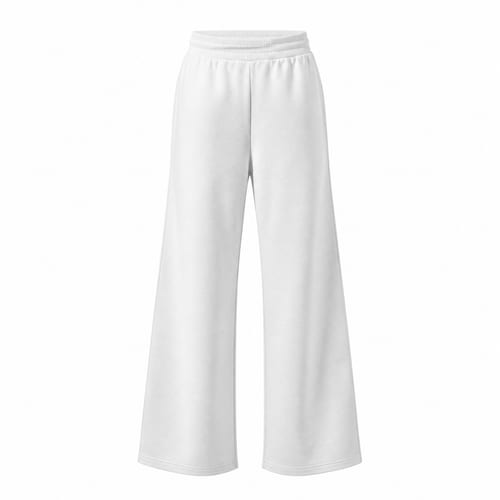 TrousersLight flareA leg that widens gently from the knee carries the line to the floor, adding length below the middle rather than width at it.
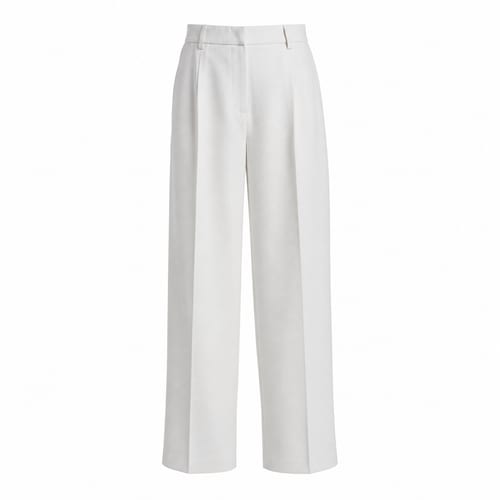 TrousersHigh-rise straightSits at the natural waist, on or just above the navel, and drops straight from the hip. Right when your page gives you a high rise.
A working day from these cards: the light flare, the oversized shirt worn out over it, and the straight coat open on top. The shirt's hem falls past the middle, the flare carries the line down to the shoe, and the coat's front edges run its whole length. Swap the flare for the bias midi and the coat still works, because nothing in either outfit fastens at the waist.
This is the shape's half of each verdict. Whether the bias midi wants fluid crepe or something crisper is your line's call, and the high-rise straight gets Skip unless your rise is high. Your page weighs shape, line and body details for each of its 125+ cuts, and gives 20+ materials their own verdicts, since a thin jersey and a crepe do opposite things at the middle.
Skip
The cuts that fight you
- Skirts and trousersRigid pencil skirtNo stretch and no ease, so the skirt holds one fixed circumference from waistband to hem and grips the middle it should pass over.
- Skirts and trousersLow riseSits on the hip bones under the fullest part of the middle, which pushes it down all day. No apple's page names it as the rise to wear.
- Coats and jacketsCropped jacketA short, boxy body that stops at the waist puts its hem, the strongest horizontal a jacket has, across your widest measurement.
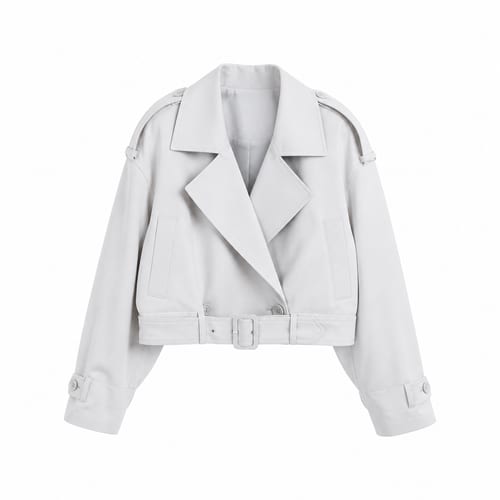 Coats and jacketsCropped belted trench jacketEnds at the waist and belts there as well, two horizontals on one line, and that line is the middle.
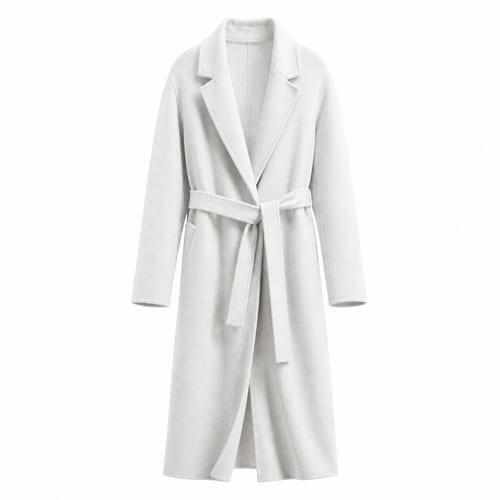 Coats and jacketsBelted coatThe belt closes on your widest measurement, so the coat gathers and pulls at the one height where it should hang free.
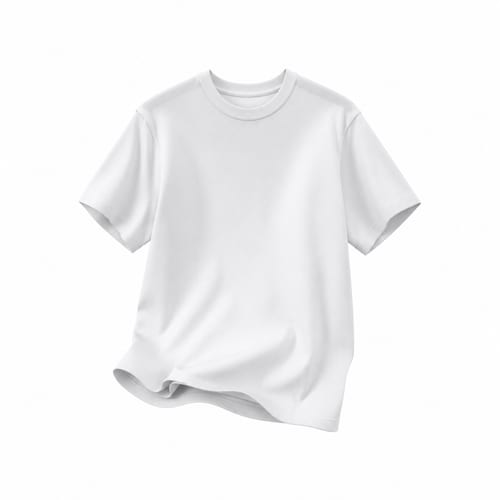 TopsFitted tee in thin jerseyA light knit has no body of its own and takes its shape from tension, which collects at the middle while the panel runs slack above it.
One fitting-room test sorts most of a rail: fasten the piece and sit down. Sitting widens the middle, so a garment that closes there tightens or gaps at once, while one that hangs from the shoulder barely moves.
Shape and line
Your shape names it, your line decides it
On an apple the shape comes down to one instruction: hang from the shoulder and clear the middle. It says nothing about the edges of your frame, whether the shoulder ends in a corner or slopes away, whether the bone under it reads angular or rounded. Wearly Labs reads those as your line, sharp, medium or soft, and a cut gets its verdict only with both readings in hand.
Take the shirt, the piece that has to clear the middle most often. A sharp line gets the classic straight-cut poplin button-down: crisp cloth and straight seams hanging from a shoulder with a corner. A medium line gets the oversized linen shirt, structure that is there without announcing itself. A soft line gets the soft v-neck, a fluid top that takes its shape from the shoulder it falls from. All three clear the middle, and they differ in how much edge they carry.
The table below sorts the catalog by line for this shape, and on an apple it takes nothing out, because the shape refuses no cut on its own account. That is why the sharp column can show a cropped cardigan-jacket: the line asks for its crisp edge, the instruction above says its hem lands on the middle, and your body details settle it. A fuller bust, for one, refuses every crop.
Schematic, not a measurement.
Line
Your shape: where the width sits
Volume gathered around the middle, with the waist the fullest part of the frame.
Your line: how the edges read
A frame that commits to neither pole, with edges that are neither cut nor rounded.
What it asks of a cut
- Moderate construction. Structure that is there without announcing itself.
- A natural shoulder, neither built up nor dropped.
- Fabric with body that still moves. A mid-weight knit, a soft twill.
What works against it
- Both extremes, and this is the one level where that is the whole answer: a rigidly architectural piece reads as costume, a fully fluid one reads as unmade.
Built for this line, and not ruled out by this shape
- Jackets and layersBoxy oversized blazer
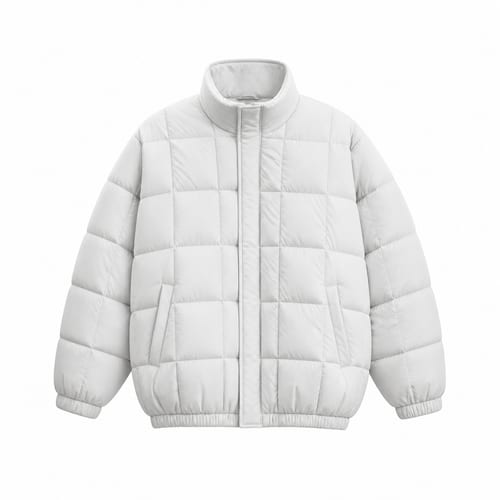 Jackets and layersQuilted puffer
- Shirts and topsOversized linen shirt
- Shirts and topsDeep v
Your body details still outrank your shape
The shape sets a starting position and your own body details are read on top of it.
Where the two disagree, the details win. On an apple, three of them move the most verdicts.
Your torso and legs. Your page names one rise and gives Skip to every trouser cut at another. A shorter leg or a longer torso sets it high, at the natural waist; with neither, it is a mid rise, just below the navel. That single reading decides the high-rise straight on the list above, and on this shape a low rise is never the one named.
A rounded midsection. It refuses a skin-tight top and favors drape. On an apple this detail argues the same way as the shape, so it sharpens the lists instead of reversing them: a second-skin top goes, and a draped piece like the bias midi is favored.
A fuller bust. It refuses a crop and a stiff fitted top, because a short garment hangs off the fullest part of the bust with its hem standing away below it, and a stiff front panel takes its width from the fullest point and keeps it all the way down. That removes the cropped pieces the sharp column can show and backs the cropped jacket on the Skip list.
A plus-size frame refuses skin-tight pieces and favors drape or room over the curve, which takes the rigid pencil skirt off any page that might otherwise have passed it. The rules for thighs, for seat and hips and for shoulders apply here as on any shape, and each verdict on your page carries the reason that decided it.
The other women’s shapes
More on the Apple
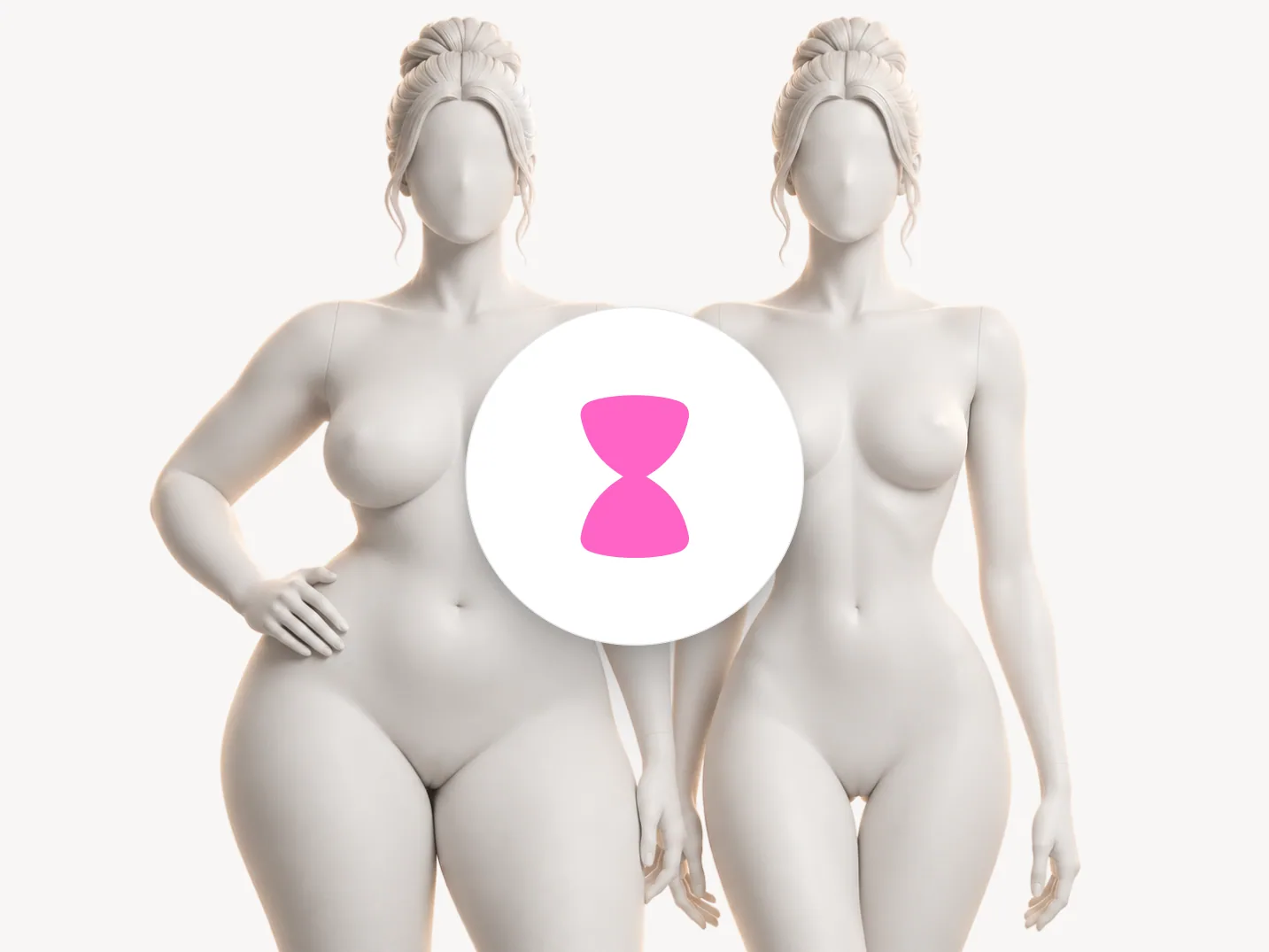
- HourglassShoulders and hips level with each other and a waist that clearly narrows between them.
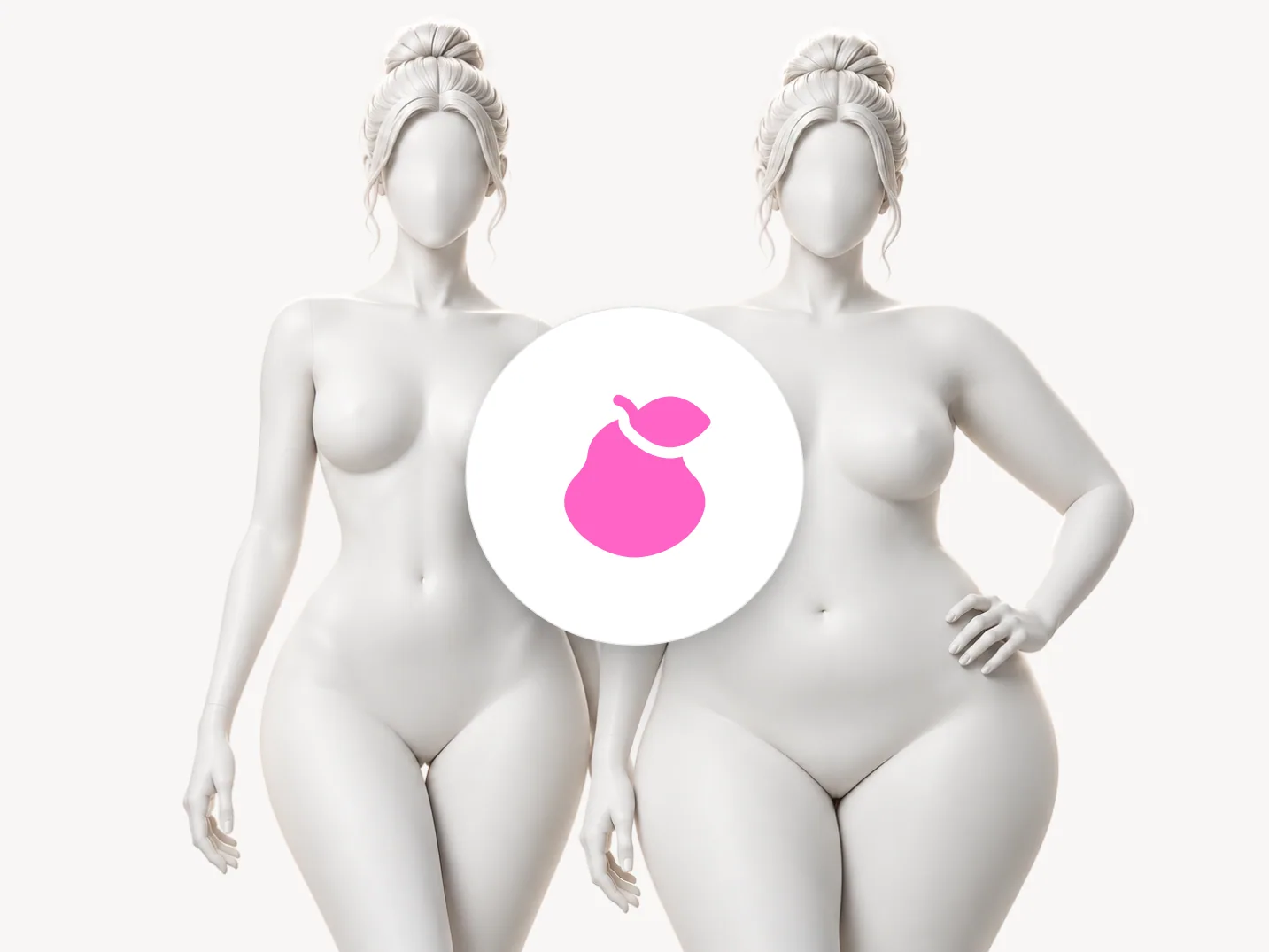
- PearHips carrying more width than the shoulders.
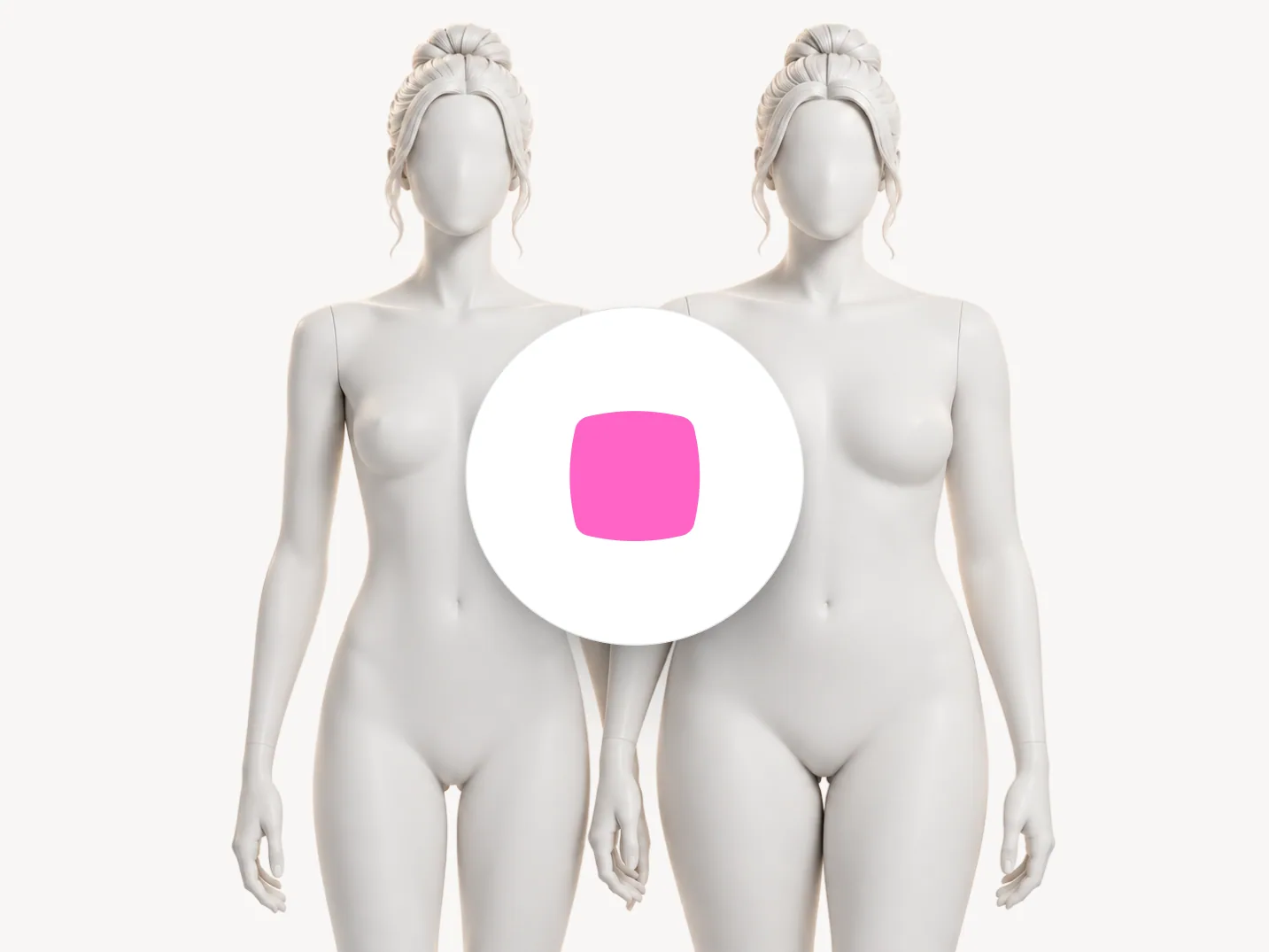
- RectangleShoulders, waist and hips running close to the same width, with no sharp narrowing at the waist.
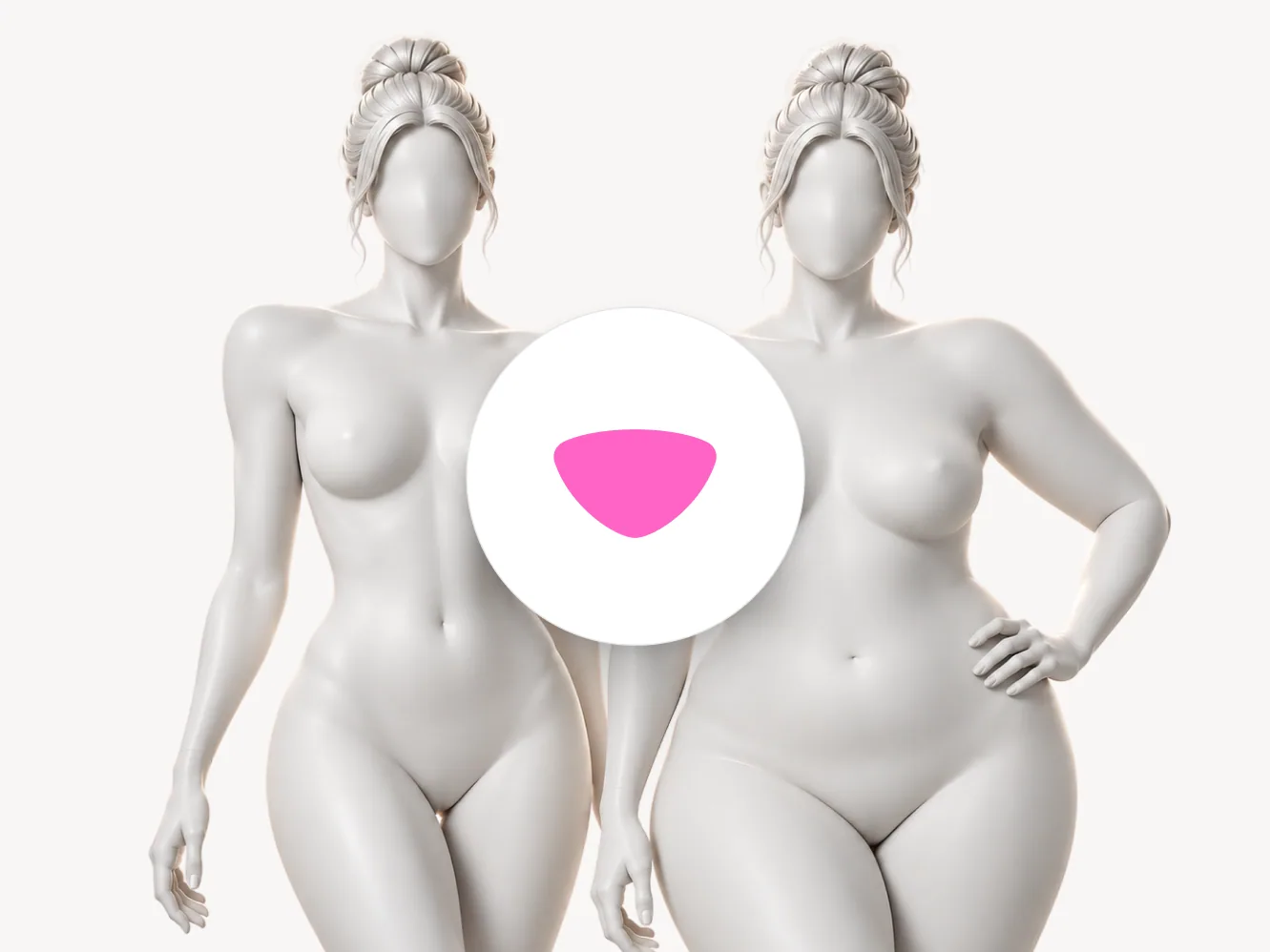
- Inverted TriangleShoulders carrying more width than the hips.
- All ten body shapesFive for women and five for men, side by side, with the free shape check.
FAQ
Apple questions.
The Apple is defined by volume gathered around the middle, with the waist the fullest part of the frame. Measured rather than eyeballed, that comes down to comparing your shoulder, waist and hip widths, which is hard to do honestly in a mirror because you already have an opinion about your own body. The analysis reads it from your answers and two body photos, with fixed rules weighing both.
This one is the women's wardrobe, yes. The shapes are read separately for men and women because the same measurements imply different cuts depending on which wardrobe you are dressing from, and a system that ignores that gives one of the two bad advice.
Usually not. Shape is about proportion, not size, and proportion is mostly skeletal, and where your shoulders sit relative to your hips does not move much. What changes is where softness gathers, which can shift you between two neighboring shapes over a few years.
No. Apple names where a frame carries its width, not its size: the middle measures about as much as the bust and the hips, or more. It does take real width at the middle, so gaining at the stomach first is not enough on its own. A frame whose waist still clearly curves in is read by its shoulders, waist and hips and gets one of the other four shapes. Whichever shape you get, the verdicts follow the same mechanical rules.
At the natural waist, which is a landmark rather than a narrowing. It sits between the bottom of the ribs and the top of the hip bones, usually on or just above the navel, and a high rise is cut to sit there. The number that decides your shape is a different one, taken at the fullest part of the middle. Which rise is yours comes from how your torso and legs compare. In the sample analysis, a men's Trapezoid, it is a mid rise "that sits just below the navel, between the hip bone and the natural waist", and high-rise wool trousers get Skip: "Its waistband sits at a different rise than the one you wear." The men's oval page uses the same landmarks.
Often, yes. An empire line takes its definition just below the bust, above the widest point, so it shapes without gripping the middle. A wrap shows the rule at work: tied high, above your widest point, it shapes, and tied at the natural waist it sits on the middle and pulls.
Yes, high or loose. A narrow belt at the underbust marks a narrower line above the middle, the same place an empire seam takes its shape. On a shirt dress the belt can sit loose and a little low, resting rather than closing. Pulled tight at the natural waist, a belt closes on your widest measurement, the same failure as the belted coat on the Skip list.
Another question about the method or your result? Write to us
Find out what suits you, and why.
A short questionnaire and five photos. Your key arrives by email, usually within 10 minutes.