women's body shape
The Pear, and the
cuts that follow from it.
Your hips carry more width than your shoulders, so the lower half wants room and the upper half wants a little more presence. Here is what that means in practice, and why the shape on its own is only half of what decides a cut.
- Widest at your hips
- 125+ cuts scored
- 10 minutes to get yours
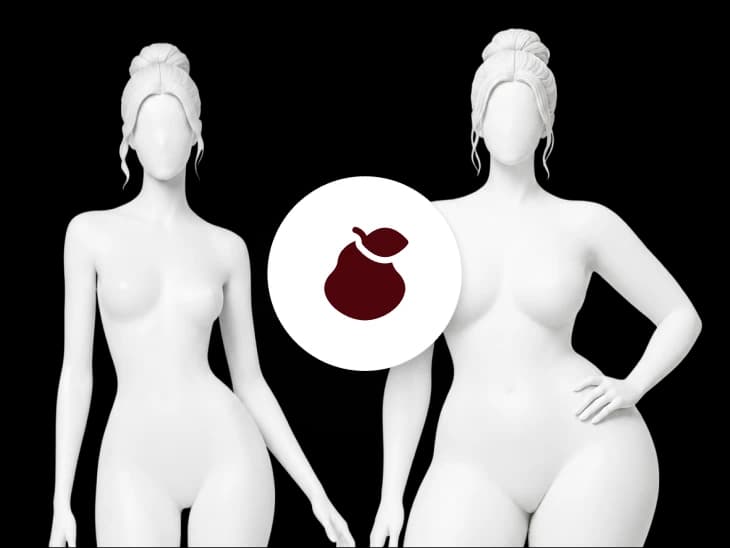
What it means
Pear: hips carrying more width than the shoulders.
Your hips carry more width than your shoulders, so the lower half wants room and the upper half wants a little more presence.
- widest at
- your hips
- wardrobe
- women
The cuts
Your shape decides the proportion. Your line decides the cut.
Most advice stops at the shape and hands you a list. That list is the same for every Pear alive, which is why it so often does not work. The shape tells us where the volume has to go; the line, meaning whether your frame reads sharp or soft, tells us what the garment should be like when it gets there.
So we read both, then score every cut in the library against the pair and give a verdict with the reason behind it. Two people with your shape and different lines get different answers, and that is the point.
Get your own cuts, not a Pear list.
Your shape, your line, and a verdict on every cut with the reason it works for you or against you.
More on the Pear
The other women’s shapes
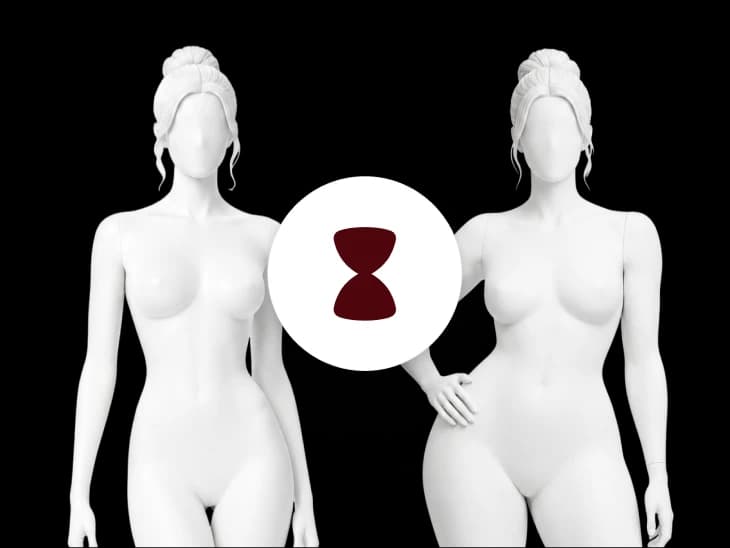
- HourglassShoulders and hips level with each other and a waist that clearly narrows between them.
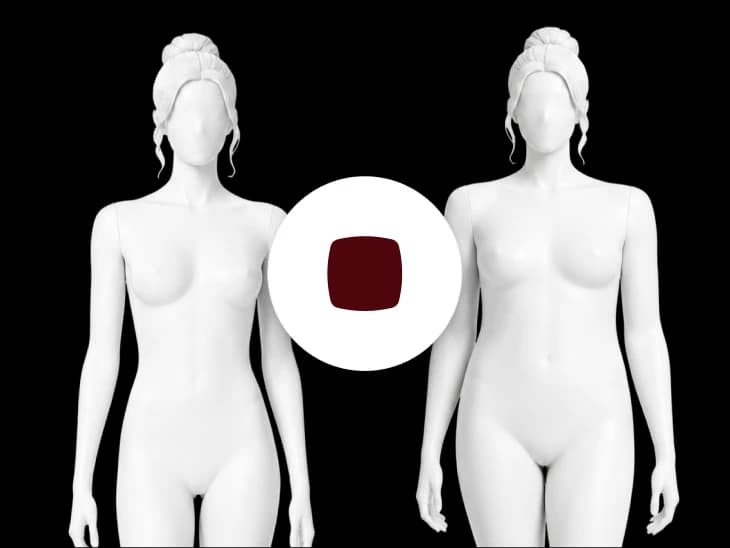
- RectangleShoulders, waist and hips running close to the same width, with no sharp narrowing at the waist.
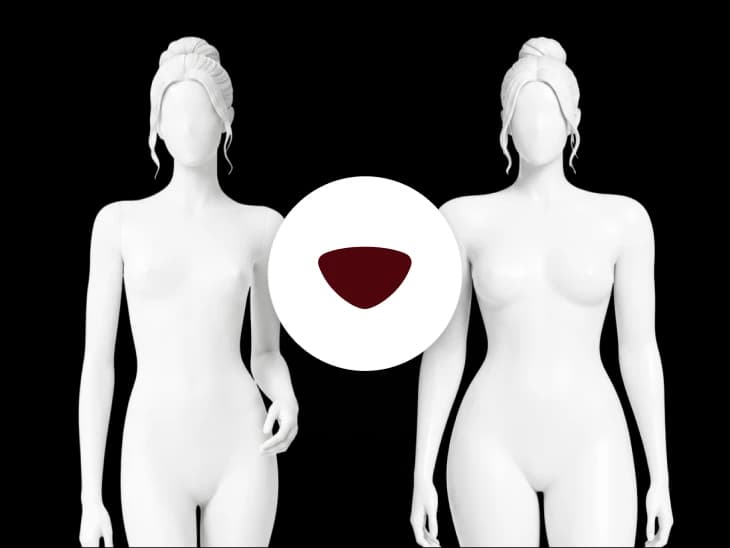
- Inverted TriangleShoulders carrying more width than the hips.
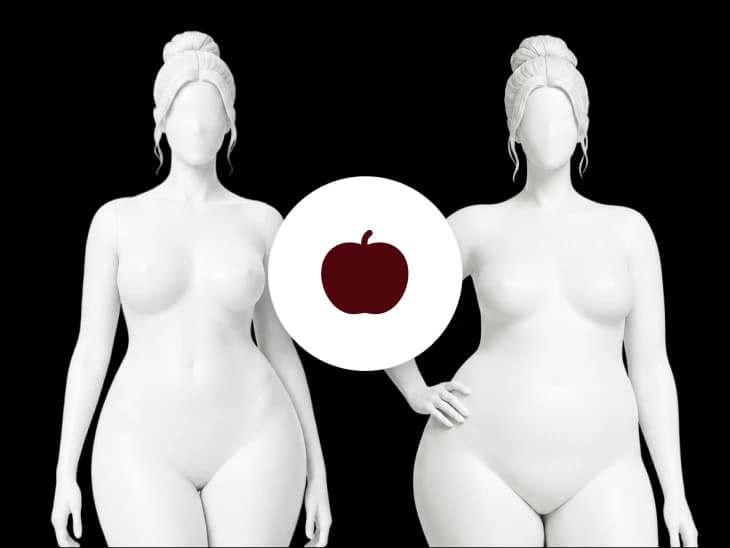
- AppleVolume gathered around the middle, with the waist the fullest part of the frame.
FAQ
Pear questions.
The Pear is defined by hips carrying more width than the shoulders. Measured rather than eyeballed, that comes down to comparing your shoulder, waist and hip widths, which is hard to do honestly in a mirror because you already have an opinion about your own body. The analysis takes it off two photos.
Less than people expect. Your hips carry more width than your shoulders, so the lower half wants room and the upper half wants a little more presence. Almost nothing is off the table outright. What changes is where the volume sits and where the line breaks, so the same garment in two cuts can do opposite things for you.
This one is the women's wardrobe, yes. The shapes are read separately for men and women because the same measurements imply different cuts depending on which wardrobe you are dressing from, and a system that ignores that gives one of the two bad advice.
Usually not. Shape is about proportion, not size, and proportion is mostly skeletal, and where your shoulders sit relative to your hips does not move much. What changes is where softness gathers, which can shift you between two neighboring shapes over a few years.
They answer different questions. Your shape says how your width is distributed, which decides the cut of a garment. The Kibbe line says whether your frame reads sharp or soft, which decides the character of it. The report gives both, because a cut that fits your proportions in the wrong character still looks like a costume.
Dress by the data
Ten minutes now, or another year of guessing in fitting rooms.