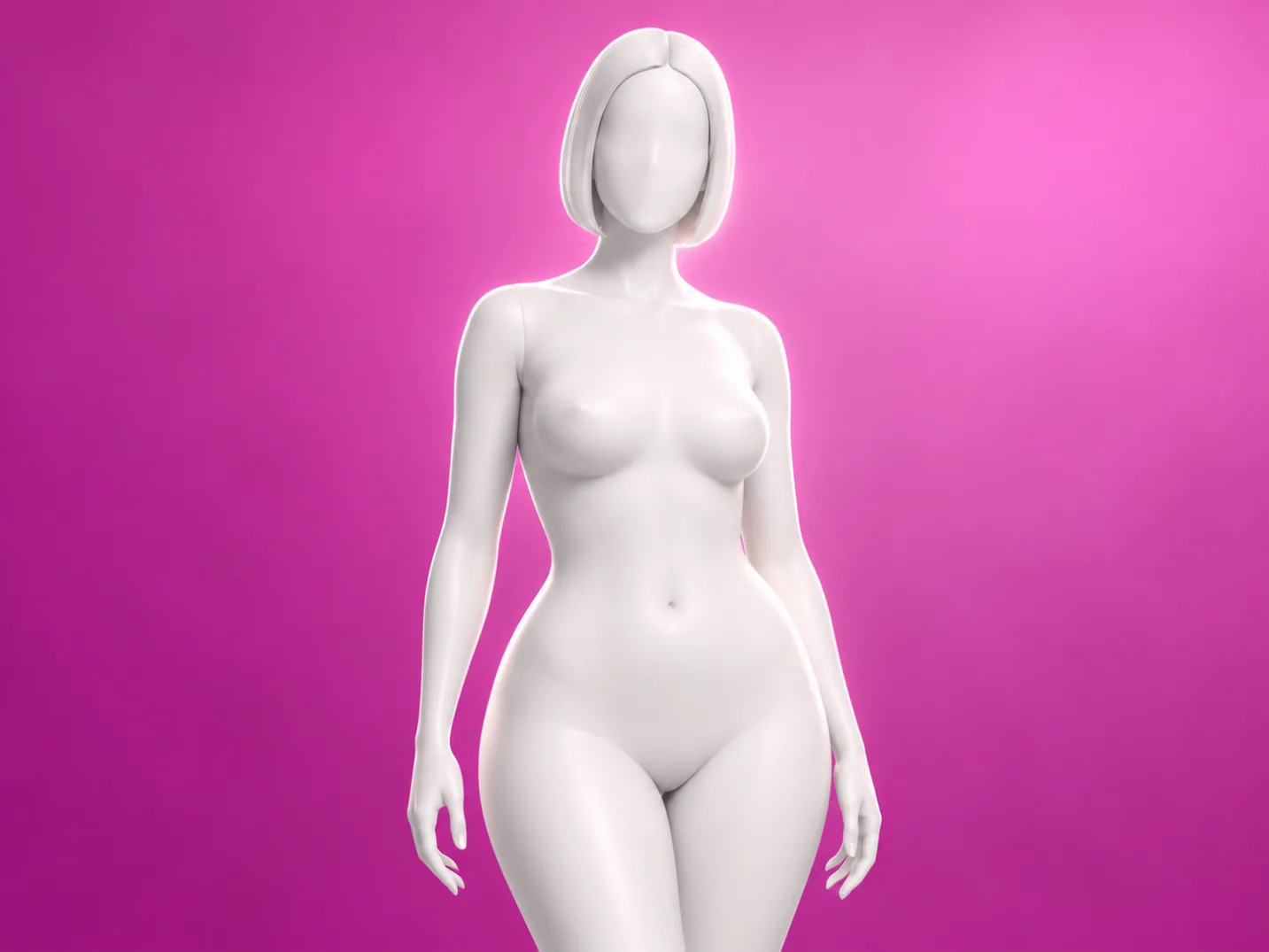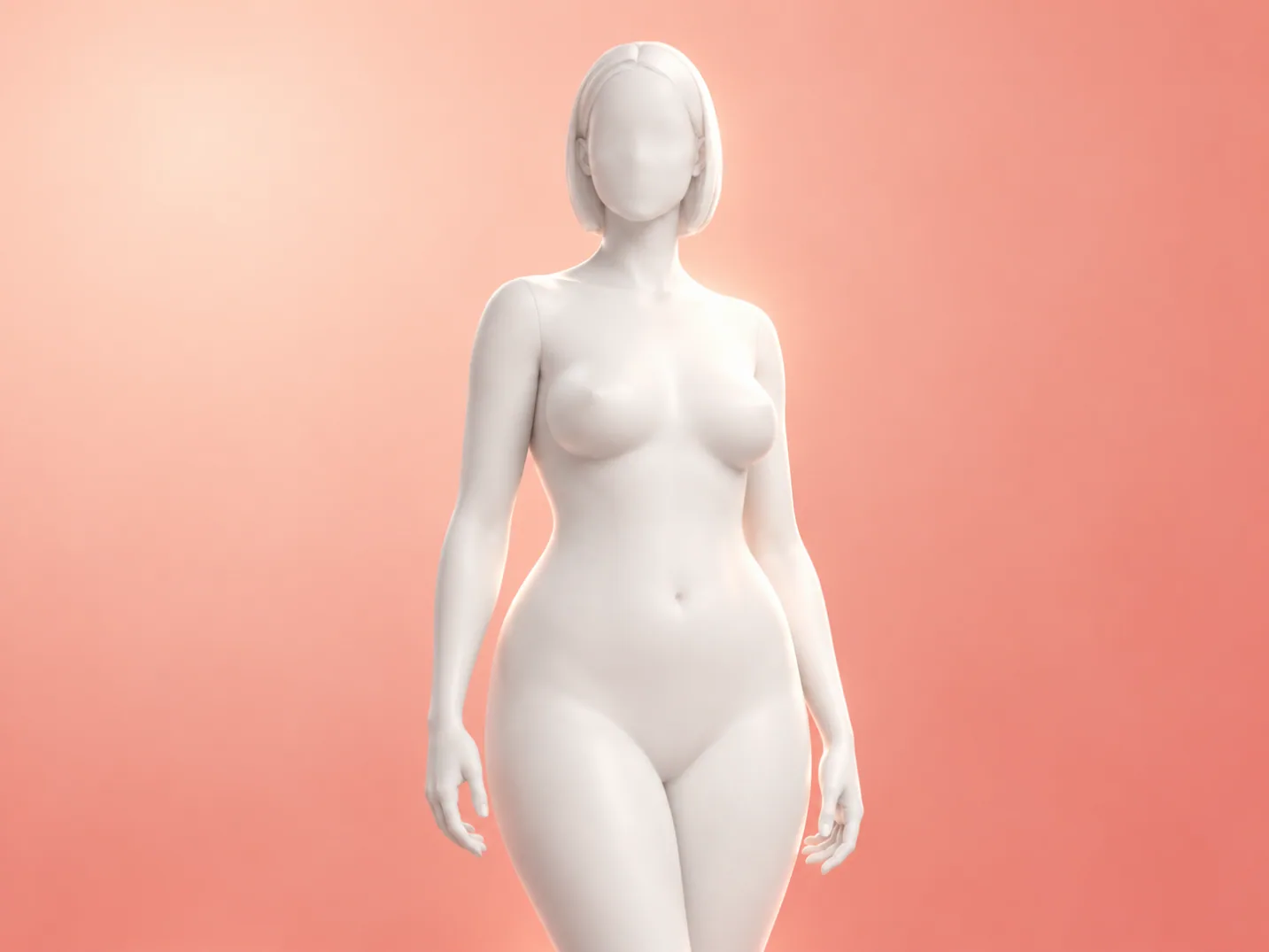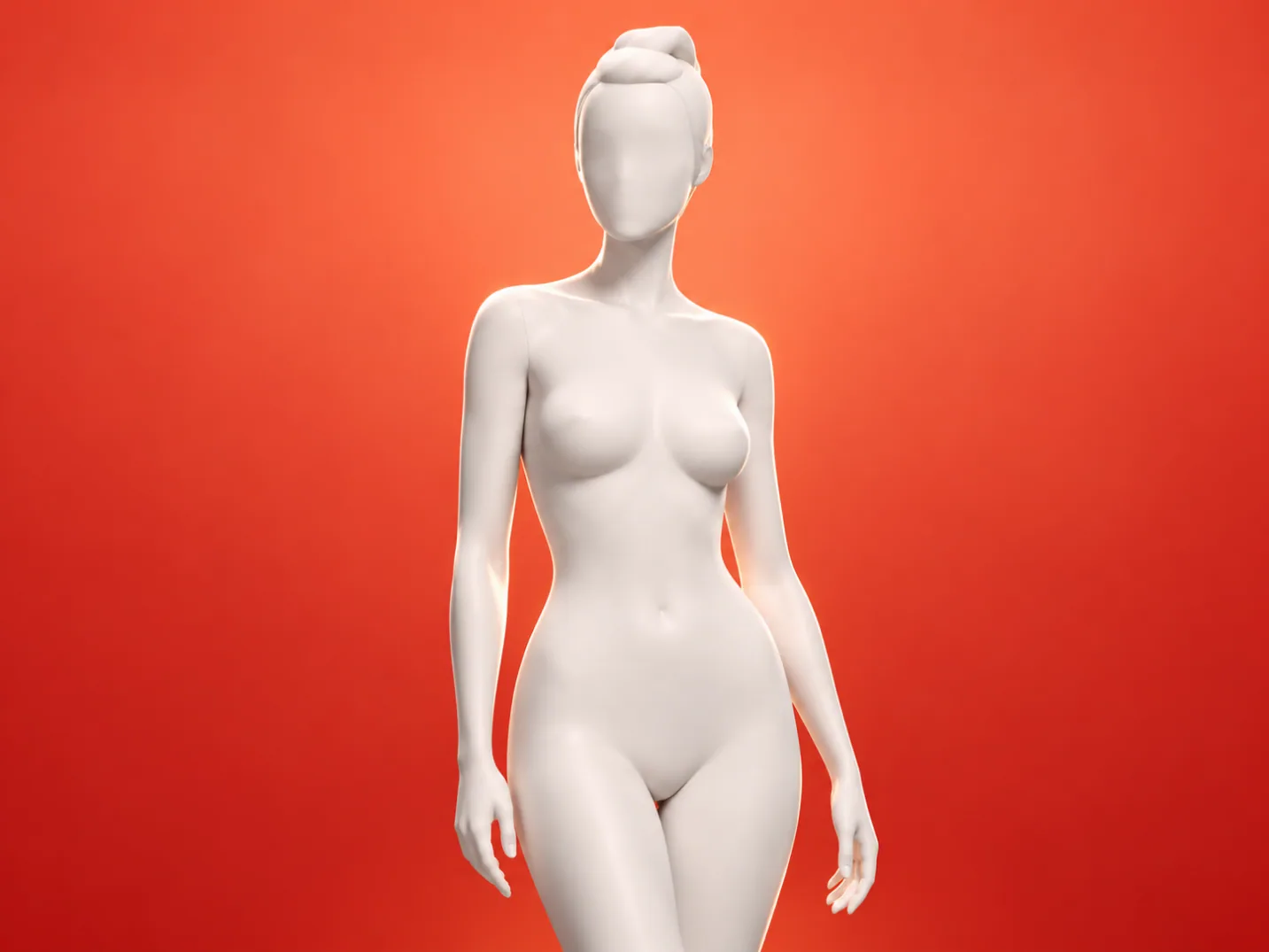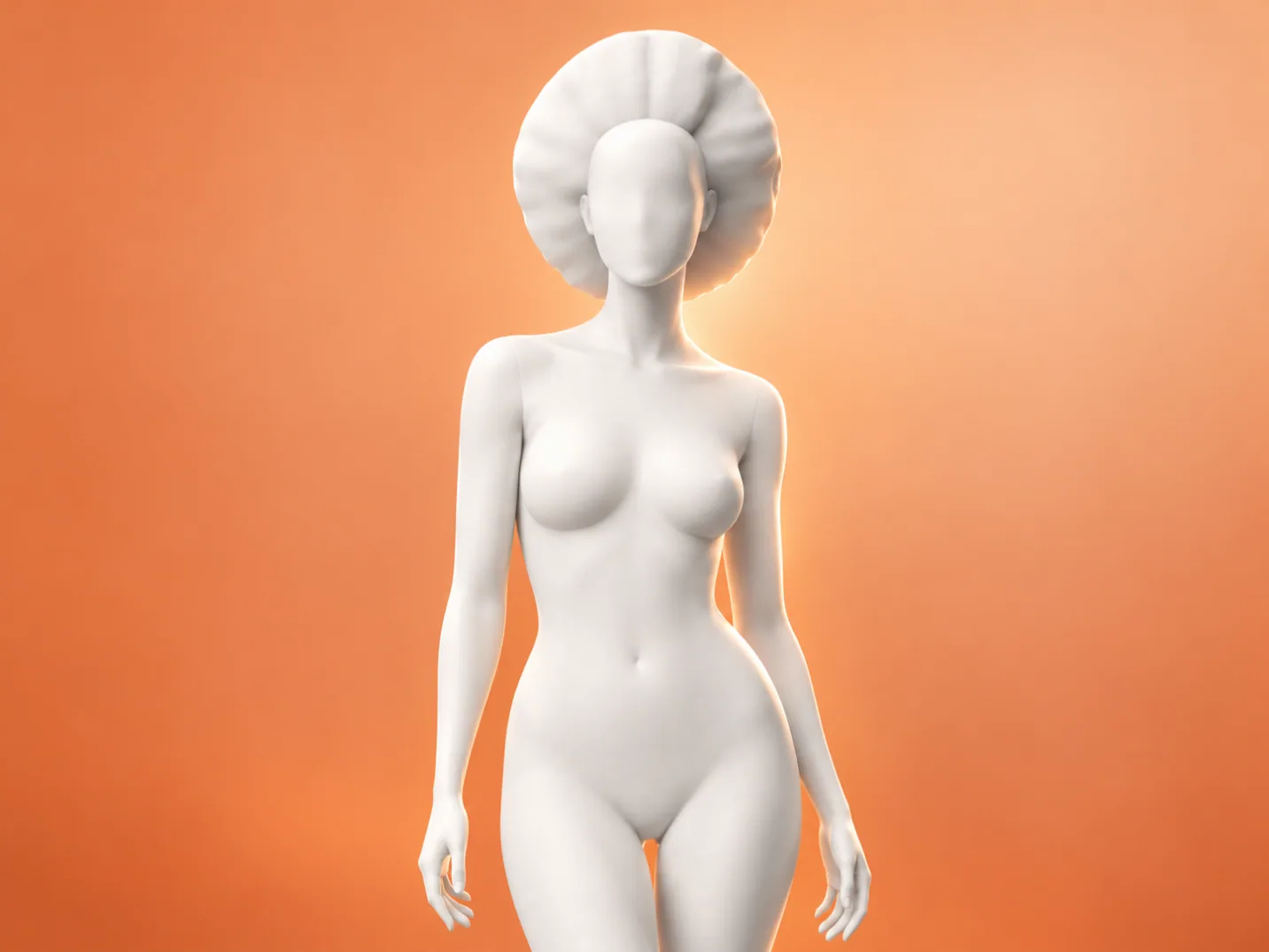
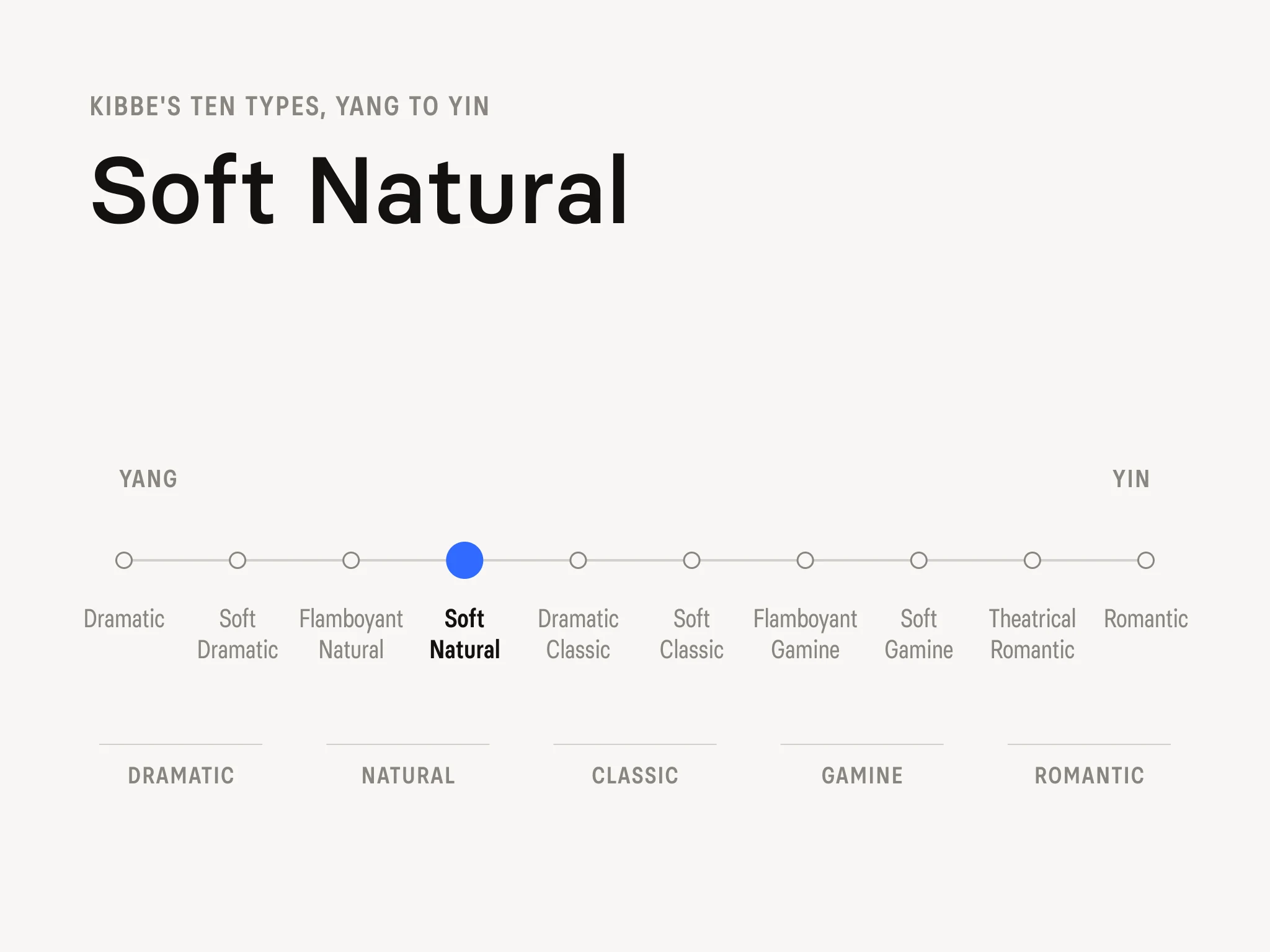
Soft Natural is the Kibbe type for soft, unconstructed clothes, and it is yours if sharp tailoring looks imposed on you and loose, textured pieces look native. Kibbe himself calls his types Image Identities. In Metamorphosis (1987) David Kibbe describes it as a Natural with a Romantic undercurrent: angular bones softened by soft flesh, a gentle waist and full features. In our reading that comes to soft construction, regular volume, a line between straight and rounded, and a vertical that runs neutral to lengthening.
On this page
- Kibbe Soft Natural at a glance
- Am I a Soft Natural?
- A Kibbe type is not a body shape
- What Soft Natural asks of your clothes
- The cuts that work for Soft Natural
- The cuts that fight a Soft Natural
- Soft Natural for men
- Types mistaken for Soft Natural
- Your body details still outrank your type
- Kibbe Soft Natural: common questions
Kibbe Soft Natural at a glance
- Frame, in Kibbe's 1987 outline: angular bones with soft flesh, a gentle waist, full features, up to 5 feet 7 inches.
- What the clothes ask for, in our reading: soft construction, regular volume, a line between straight and rounded, a neutral to lengthening vertical.
- Pieces that work: a soft-shoulder blazer, a loosely defined waist, texture, trousers with room through the thigh, a full or flared skirt.
- Pieces that fight: a sharp shoulder, stiff fabric, skin-tight trousers, hard geometry, the A-line skirt.
- Most often mistaken for: Flamboyant Natural, which runs regular to loose with a straight line and blunt edges.
Am I a Soft Natural?
Read this as a question about how your clothes should be built, not about where your width sits. A Soft Natural frame reads relaxed rather than sharp, with edges that blend instead of cutting and a gentle waist that responds to a suggestion rather than a construction. Sharp geometry looks imposed on this body, and softness looks native to it. For all ten types side by side, see Kibbe body types, explained.
Kibbe's own outline, which he calls broad and says can bend here and there as long as the overall balance holds:
- Height: moderate to slightly small, up to 5 feet 7 inches.
- Bones and shoulders: slightly angular bones, slightly square or broad shoulders.
- Body: slightly soft, with a slightly small waist in proportion to bust and hips, "slightly curvy, tends to an hourglass shape, but not extremely so".
- Features: full and rounded.
- Not expected: an extremely straight body, extremely sharp features or bones, extreme height or a symmetrical build.
That is the 1987 text. David Kibbe's Power of Style (2025) is billed by its publisher as an overhaul and update of the Image Identity system, so read the 1987 outline as the original, not his last word.
The changing room test takes three garments and one question each:
- Shoulder. Put on a blazer with a sharp, stiffly built shoulder, then one with a soft shoulder in a fabric with a bit of give. A yes is the first adding a corner where your body has a curve, and the second looking made for you.
- Volume. Try the same jacket oversized. A yes is being swamped rather than looking deliberate, which means regular volume and separates this type from Flamboyant Natural.
- Waist. Wear a supple belt loosely over a soft top, then cinch the waist tight. A yes is the loose one looking like you, since Kibbe asks for a waist "defined, although loosely so, as opposed to tightly cinched".
Three yeses fit this profile. A sharp shoulder that looks right on you is the one answer that does not, because construction is the primary axis here.
A Kibbe type is not a body shape
Shape says where you carry your width, as in a pear, an hourglass or a rectangle. A Kibbe type answers a different question: how your clothes should be built.
Take a pear, with hips wider than shoulders. The A-line midi is one of the cuts the pear page lists for that shape, because it releases from the waist and clears the hip. If that pear is a Soft Natural, Kibbe's 1987 list puts "symmetrical skirts (i.e., A-lines)" on the avoid side and asks for a full or flared skirt that lies flat over the hip. The hip is the same, and the skirt that clears it changes with the type.
Neither answer can be worked back into the other. Knowing the pear tells you nothing about the type, and the type says nothing about where your width sits.
Our analysis starts from the same question, but your page does not name a Kibbe type. It reads two things, your shape and your line (sharp, medium or soft), and gives every cut a verdict, Wear, Depends or Skip, with a reason.
In the sample analysis, a men's Trapezoid with a medium line, the structured classic suit is a Wear because "shoulder and body are cut the way you are built". The soft textured suit is a Skip because "the rounded, soft seams blur a frame that reads better with a clean edge", and suede and flannel are Depends: one piece per outfit. The full read is the body type analysis.
What Soft Natural asks of your clothes
Kibbe describes his types in his own words. For Soft Natural the silhouette is "soft, flowing, and unconstructed, composed of relaxed lines with soft edges", the shoulders "may be broad and padded but never sharp", and traditionally tailored suits are, in his phrase, "no-no's". These four axes are our translation of that into something you can check a garment against.
- Construction: soft. Unbuilt. The garment follows the body instead of framing it.
- Volume: regular. Normal cut, neither fitted nor oversized. Kibbe's avoid list names both ends, "wide, shapeless silhouettes" and "fitted silhouettes". Of the types that take only soft construction, this is the only one held to regular volume alone.
- Line: between straight and rounded. Clean but not sharp, soft but not liquid. Kibbe's version is "relaxed geometrics with rounded edges" and "subtle drape and flow, particularly bias cuts".
- Vertical: neutral to lengthens. Length is welcome but not required, so cutting the silhouette at the waist is allowed here in a way it is not for the lengthening types.
Construction is the primary axis, and a conflict there is a hard no. Everything else is a matter of better and worse.
The cuts that work for Soft Natural
Each piece carries a verdict in the shorthand of our analysis, with the axis behind it.
- Wear: a soft-shoulder blazer. It gives a jacket shape, a gentle waist and no hard corner at the top, so construction stays soft. Padding is allowed: Kibbe writes that shoulders "may be extended and padded, but should not be sharp or stiff".
- Wear: a wrap top, a wrap dress or a belted coat. They mark the waist by folding or tying rather than by construction, the distinction this type lives on. A shirt dress and a supple belt work the same way.
- Wear: textured fabric. Flannel, suede, brushed cotton, a fine merino knit. Kibbe's own list runs to slubbed and nubby weaves, handkerchief linen, raw silk, fuzzy and bouclé knits, suede and buttery-soft leather, so texture lets a plain garment carry an outfit without a strong cut.
- Wear: trousers with room through the thigh. Straight trousers, high-rise straight, a chino with movement. Kibbe wants them lightweight and slightly draped, and rules out severe man-tailored styles and wide, shapeless ones, which keeps volume regular.
- Wear: a full or flared skirt. One that lies flat over the hip, or a shirt dress in a fabric with a bit of body. Those are Kibbe's own picks, and both hold regular volume.
- Depends: a straight skirt. Only when it is lightweight, draped or slightly tapered, which is how Kibbe describes the straight skirt he accepts.
- Wear: layers that move. A camp collar shirt, a flannel shirt, a fine knit over a heavy tee. Kibbe calls an obvious use of separates excellent for this type, with an artful blend of textures, colors and patterns, and layering at regular volume adds interest without overshooting it.
The list is not a ceiling. Any garment outside it can be checked against the same four axes, so the axes matter more than the list. The final call is per person, not per type: two Soft Naturals can need different answers on the same jacket once their proportions come in.
The cuts that fight a Soft Natural
- Skip: a sharp shoulder. A squared, stiffly built shoulder breaks construction, the primary axis, so it is a hard no rather than a near miss. It puts a hard angle where this frame has a soft one, and padding is allowed, so the edge is what fails.
- Skip: stiff fabric. Rigid weaves, hard finishes, heavy interfacing. A formal rigid suit is the standard failure, and it fails on build rather than on formality.
- Skip: skin-tight trousers and leggings. Volume reads regular, so painted on sits at the wrong end, and thigh room disappears at the same time.
- Skip: hard geometry. Sharply architectural shapes, stiff boxy cuts, anything built to hold a shape the body is not making. Kibbe's avoid list: "sharp geometrics" and "wide, chunky, and boxy shapes".
- Skip: an A-line skirt. Kibbe's list names it as a symmetrical skirt, beside long, pencil-slim ones, and the skirt that works instead lies flat over the hip.
- Skip: fussy detail, or none at all. Excess gathers, tucks and trim read busy against a relaxed frame, and a garment with no detail reads flat. Kibbe asks for detail that is "loose, relaxed, delicate, slightly intricate": one supple belt or one textured piece of jewelry does it.
- Depends: shiny fabric. Kibbe's rule is specific: shiny fabrics "may be worn with ease in the evening, but should be left aside for day", apart from the slight sheen of a texture such as shantung. By day, matte and textured surfaces do more here.
Soft Natural for men
Metamorphosis speaks to women: the Soft Natural chapter calls its look a "Fresh and Sensual Lady", and every example it names is a woman. The four axes carry over to menswear unchanged, and only the garment vocabulary differs. For how shape works in menswear, see men's body shapes and fit.
A men's Soft Natural wardrobe is soft unconstructed layers, henley and fine knits, chinos with movement, and suede. It works because every piece stays at regular volume while keeping construction soft. A henley under an unstructured jacket, a chino with real room through the thigh, a suede or soft leather jacket instead of a stiff one.
What fails is sharp shoulders, formal rigid suits and shiny cloth in daylight. Business dress is where this gets expensive, because the default good suit is exactly the wrong build. The fix is a soft shoulder, an unlined or lightly lined jacket, and a cloth with texture: same formality, different construction.
Types mistaken for Soft Natural
Set next to the types it gets mixed up with, in two of the four axes this series uses for every type:
| Type | Volume | Line |
|---|---|---|
| Soft Natural | Regular | Between straight and rounded |
| Flamboyant Natural | Regular to loose | Straight, blunt edges |
| Soft Dramatic | Regular to loose | Rounded and draped |
| Romantic | Fitted to regular | Rounded |
| Soft Classic | Fitted to regular | Rounded and draped |
| Dramatic Classic | Regular | Straight |
Read each row against the first. Construction is soft in every row except Dramatic Classic, which runs soft to structured, and vertical is where Flamboyant Natural and Soft Dramatic (lengthens) part from Romantic and Soft Classic (neutral).
The main misread is Flamboyant Natural. The two share the same construction setting and fail on the same pieces, which makes them easy to swap. They split on volume and line: Flamboyant Natural runs regular to loose with a straight line and blunt edges and wants long lines, while Soft Natural stays at regular volume, sits between straight and rounded, and wants a soft shoulder.
Kibbe's own profiles split them on the body too. His Flamboyant Natural is "moderate to very tall, usually 5 feet 5 inches and over", straight rather than curvy, and will not have an hourglass figure, while his Soft Natural is up to 5 feet 7 inches and tends to an hourglass. If oversized swamps you and a gentle waist helps, you are on the Soft Natural side.
The second mistake is hearing soft and reaching for full drape. That is Soft Dramatic territory, a different line and volume reading. Soft Natural sits between straight and rounded, so liquid fabrics can look as off here as rigid ones, and Kibbe's avoid list names overly flimsy fabrics right beside stiff ones. Something with a bit of body to it is usually the answer.
The third is Romantic, the type Kibbe tells Soft Naturals to read alongside their own. His instruction is that a Soft Natural is "a Natural first and foremost", with the Romantic side used "in small doses". Romantic runs closer to the body with a fully rounded line, while Soft Natural keeps its room.
The last mistake comes from the guides. Several popular Soft Natural guides recommend the A-line skirt, while Kibbe's 1987 list puts "symmetrical skirts (i.e., A-lines)" on the avoid side, next to long, pencil-slim skirts.
Your body details still outrank your type
The type is the starting position, and specific body facts beat it. Each of the four axes leaves a body detail something to override.
- Shoulders (construction, the primary axis). Broad shoulders rule out a sharp shoulder, which reinforces the profile. Narrow shoulders make a sharp shoulder better rather than worse, so a Soft Natural with narrow shoulders can carry more edge than the type profile allows on its own.
- Thighs and hips (regular volume). Broader thighs rule out trousers with no thigh room. A wider hip, as on a pear, asks for more room rather than less, which is why a full skirt that lies flat over the hip is Kibbe's pick.
- Torso and legs (neutral to lengthening vertical). A longer torso favors a high rise, and a shorter leg rules out a low rise. Because this vertical is neutral, cutting the silhouette at the waist stays allowed.
- Waist (defined loosely). Where your waist sits decides where a supple belt goes, and no type profile can place that for you.
That is the difference between this and a quiz that hands you a label and stops: the label narrows the field, and your body settles it.
Kibbe Soft Natural: common questions
Yes, softly built. A soft-shoulder blazer with a gentle waist is on profile, and Kibbe allows the shoulder to be padded as long as it is not sharp or stiff. What fails is the rigid formal suit, and it fails on construction, not on the idea of a jacket.
Moderate to slightly small, up to 5 feet 7 inches, in Kibbe's 1987 outline. His Flamboyant Natural is usually 5 feet 5 inches and over, so from 5 feet 5 to 5 feet 7 height alone decides nothing, and the body and the shoulder test have to.
Not by Kibbe's own list. Metamorphosis puts "symmetrical skirts (i.e., A-lines)" on the Soft Natural avoid list. What he recommends instead is a full or flared skirt that lies flat over the hip, or a straight skirt that is lightweight, draped or slightly tapered.
No. Kibbe writes that the body "tends to an hourglass shape, but not extremely so", which is a tendency, not a rule. Shape and type answer different questions, which is why two women with the same shape can land on different types.
Because a belt suggests a waist rather than building one. Gentle waist emphasis is on profile, while built waist construction runs into the soft construction setting, which is the primary axis here.
No. Flamboyant Natural runs regular to loose with a straight line and blunt edges, while Soft Natural stays at regular volume, sits between straight and rounded, and prefers a soft shoulder. In Kibbe's profiles the bodies differ too: straight and usually taller for Flamboyant Natural, slightly curvy for Soft Natural.
His prime example in Metamorphosis is Natalie Wood, and his list adds Carole Lombard, Goldie Hawn, Judy Collins, Sissy Spacek, Molly Ringwald, Teri Garr, Stefanie Powers, Liv Ullmann and Kelly McGillis. He warns that they do not always dress to their best advantage, so look at the overall impression rather than copying outfits.
Take the structure out of your shoulders. A sharp shoulder is a hard no on this profile, and it sits on the pieces people spend the most on: the blazer, the suit, the coat.