One of the 50 colors the analysis judges
Black, season by season.
Black is a Wear for Deep Winter, True Winter and Bright Winter. It is a Depends for Light Spring, True Spring, Bright Spring, Light Summer, True Summer, Soft Summer, Soft Autumn, True Autumn and Deep Autumn, and no season skips it.
- Undertone
- Cool undertone
- Depth
- Dark
- Clarity
- Clear
Also sold as jet black, onyx
Last updated
The color
What Black is, and why it works or fails.
Black sits at the bottom of the depth scale, depth meaning how light or dark a color is.
A good black dye absorbs almost all light, so on cloth it reads as a solid, flat shape with crisp edges. Its undertone, the warm or cool cast under a color, leans cool: most blacks carry a trace of blue, and cheap ones fade toward green or brown after washing. Its clarity, how clear or muted a color looks, is high, because nothing grays it down.
Black works when a face can hold its contrast. The three Winters have cool skin and hair, eyes or brows with enough depth to stand next to it, so black frames the face and the features keep their edges. On a warm undertone, black sits beside golden skin with nothing in common, and the skin can look sallow by comparison. On a light or muted coloring the gap itself is the issue: black becomes the strongest thing in the mirror and the eye goes to the garment first. Lower down the body, distance takes the edge off. Trousers, a skirt or boots keep black's weight and its practicality, far enough from the face that the contrast stops competing with it.
How to wear it
Where each season puts Black.
The verdict the analysis gives Black for each season, where it goes, and the reason.
- Deep WinterBlack matches a Deep Winter on undertone, depth and clarity, so a black turtleneck or overcoat sits right at the face and the features read sharper beside it.
- True WinterA True Winter is fully cool and clear, and black's clean, blue-based dark repeats both readings, so a black blazer over a pure white shirt suits the face.
- Bright WinterBright Winter's vivid, high-contrast coloring needs a dark this strong to set off its brightness, so a black knit goes well with fuchsia or ice blue at the neck.
- Light SpringBelow the waistBlack is far darker and colder than a Light Spring's warm, light coloring, so it goes below the waist, in slim trousers or ankle boots, with peach at the collar.
- True SpringBelow the waistBlack's cool, inky edge drains the gold from a True Spring's warm skin, so it belongs below the waist, as black jeans or loafers under a coral top.
- Bright SpringBelow the waistA Bright Spring carries enough contrast for black, yet its cold cast cools warm skin, so it works below the waist in a skirt or boots, with espresso up top.
- Light SummerBelow the waistOn a Light Summer's soft, light coloring black outweighs the face, so it stays below the waist in trousers, while soft navy or light gray sits at the collar.
- True SummerBelow the waistBlack shares a True Summer's cool undertone but sits several steps darker, so it suits a skirt or shoes below the waist while medium gray frames the face.
- Soft SummerBelow the waistIn photographs, black's hard edge makes a Soft Summer's grayed coloring look flat, so it works below the waist as trousers or boots, with mauve or dusty blue above.
- Soft AutumnBelow the waistSoft Autumn is warm, muted and low in contrast, the reverse of black on each reading, so black stays below the waist in boots, with chocolate up top.
- True AutumnBelow the waistA True Autumn's rich, warm coloring wants its dark neutral to carry some brown, so black moves below the waist into tailored trousers and espresso replaces it in a jacket.
- Deep AutumnBelow the waistDeep Autumn has the depth for black and a warm undertone that black cools, so leather boots or a pencil skirt carry it below the waist, with espresso above.
No season.
Don't know your season yet? Narrow it down in a minute.
Pairings
Worn by the same seasons.
The colors the seasons that wear Black also wear at the face: the ones most likely to share a wardrobe with it.
Black
Black: common questions
Anyone whose coloring is warm, light or muted. In the 12-season system that covers every Spring, every Summer and every Autumn. Black is cool, dark and clear, and next to softer or warmer skin it reads stronger than the face. Those nine seasons still wear black below the waist, in trousers, skirts and shoes, where the contrast sits away from the face.
Black works for a Soft Summer only from the waist down. Black is far darker and sharper than a Soft Summer's grayed, cool coloring, so a black top makes the face look tired by comparison. Black trousers, a skirt or boots are fine. At the collar, soft navy or medium gray gives the same dark anchor at a depth this coloring holds.
Black reads cool. Most black dyes carry a faint blue base, and next to skin black behaves like a cool, clear color at the darkest end of the depth scale. That is why the three Winters, the cool and clear seasons, wear it at the face. Warm seasons do better with a dark neutral that has brown in it, such as espresso or chocolate.
It depends on your season. Soft navy suits the three Summers, Light Spring and Bright Spring. Chocolate suits the Autumns and True Spring, and Deep Autumn also wears midnight blue. Each gives a dark base for a coat or trousers at a depth and warmth the face can hold. A color analysis tells you which is yours: AI reads your photos and answers, fixed rules make the call.
Another question about the method or your result? Write to us
The 50 colors
Your own 50 verdicts.
A season page shows how a season treats Black. Your analysis places you in one season from your answers and five photos, and gives every one of the 50 colors its verdict and its reason, for you.
Clear and deep, but its coolness sits wrong close to your skin.
Seasons that wear Black, and how to find yours
 Color seasonDeep Wintercool and deep with high contrast
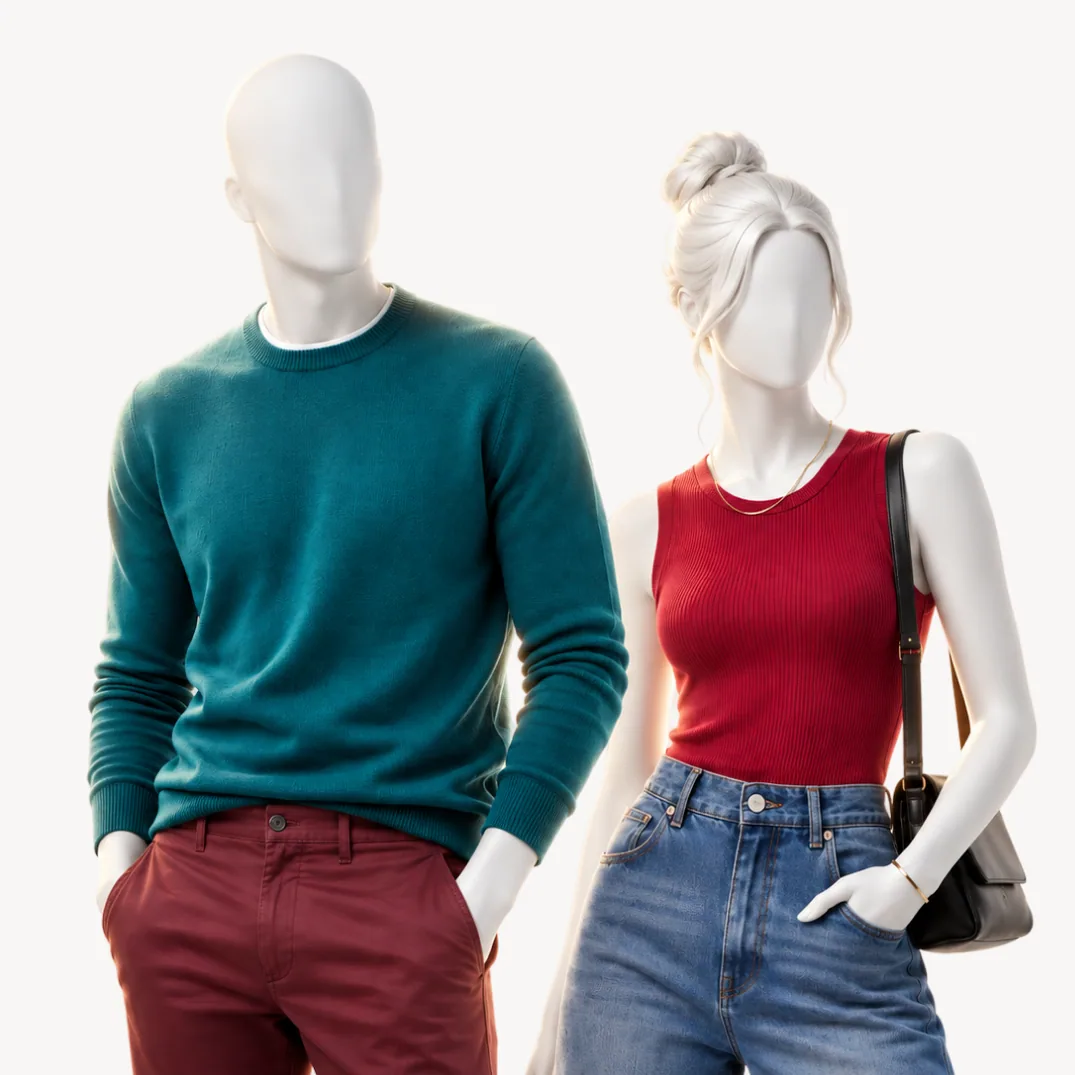 Color seasonTrue Winterfully cool and clear
 Color seasonBright Wintercool and vivid with high contrast
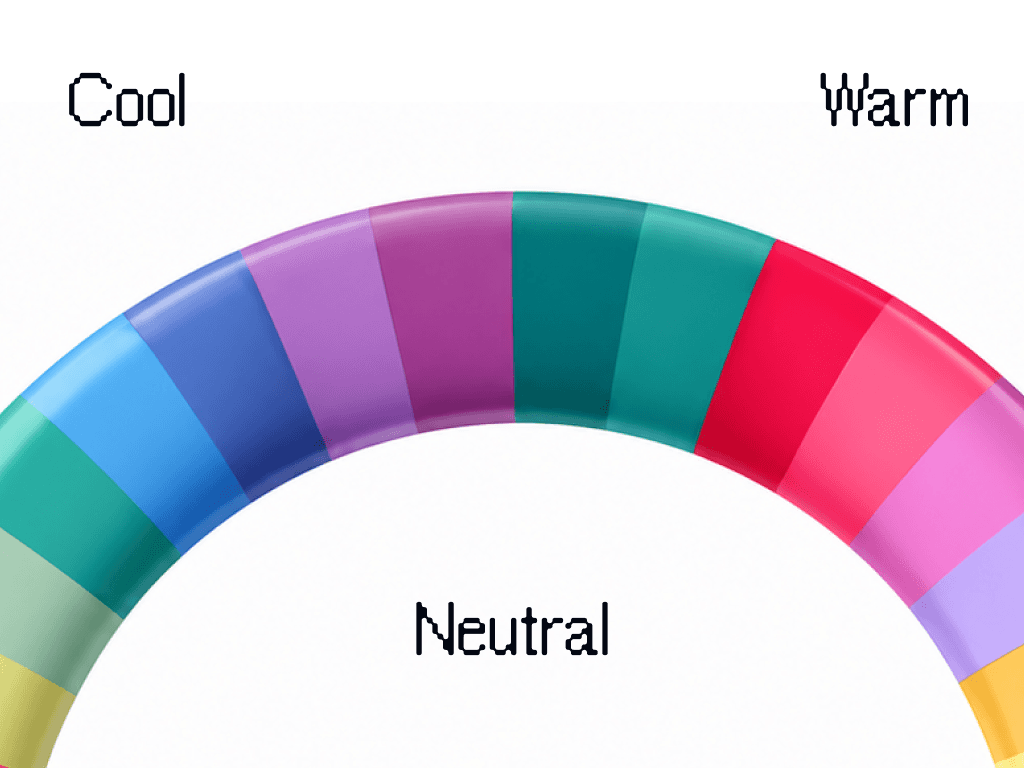
Seasons · 9 min
Find your undertone at home (warm, cool, or neutral)
Three daylight tests to find your undertone at home: wrist veins, gold vs silver, white paper. Plus how to read a neutral or olive result.

Method · 8 min
How to take photos for an accurate color analysis
The light, the angles, and the white paper trick. How to take five photos that give a color analysis something real to work with.
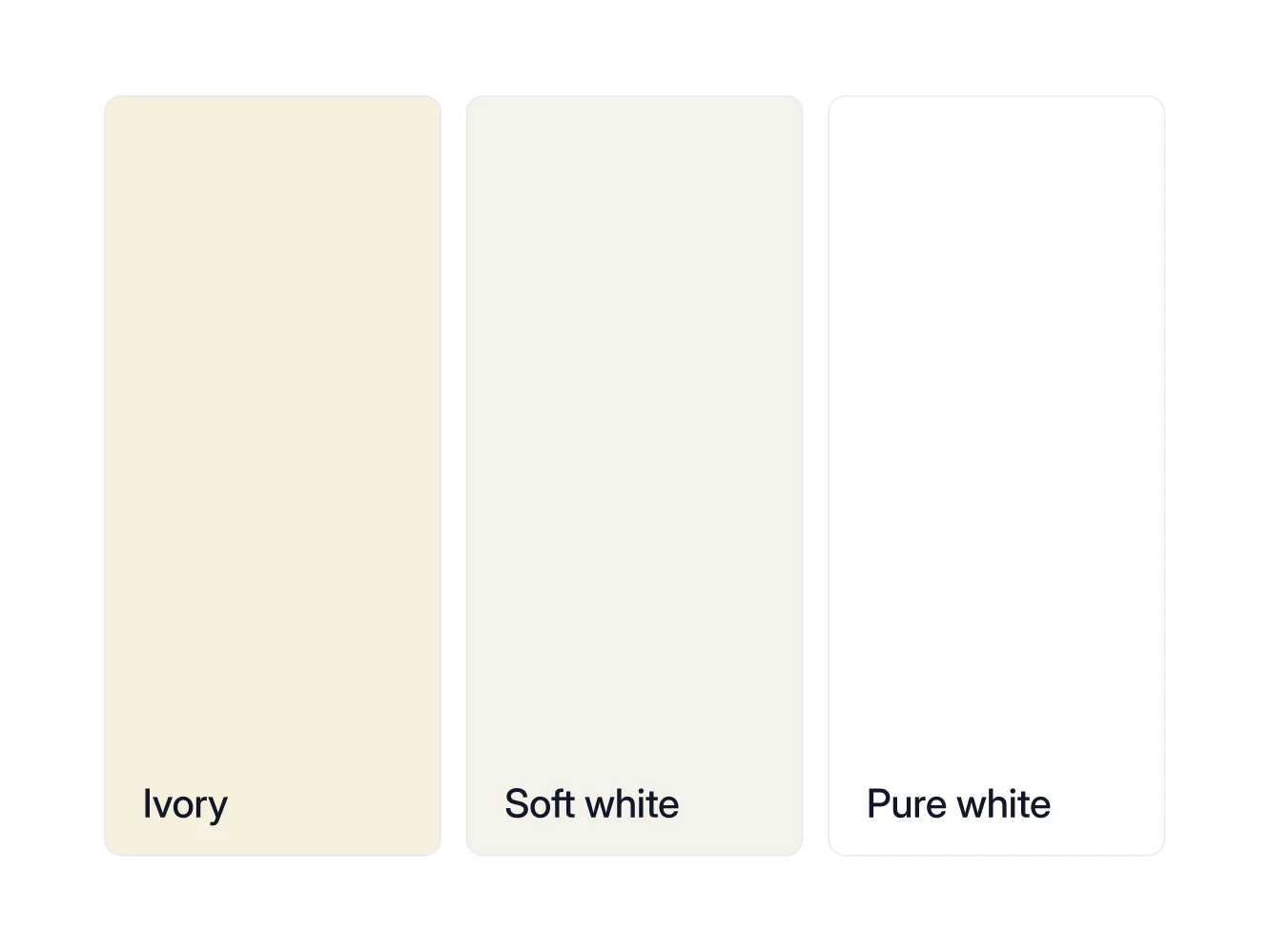
Men · 11 min
The best shirt colors for your skin tone
Ivory, soft white, or pure white? Which blue is yours? The shirt colors for each of the 12 color seasons, and the three shirts for a man's week.
- All 50 colors
Which side of Black are you on?
A short questionnaire and five photos. Your key arrives by email, usually within 10 minutes.