One of the 50 colors the analysis judges
Coral, season by season.
Coral is a Wear for Light Spring, True Spring and Bright Spring. It is a Depends for Soft Autumn, True Autumn and Bright Winter and a Skip for Light Summer, True Summer, Soft Summer, Deep Autumn, Deep Winter and True Winter.
- Undertone
- Warm undertone
- Depth
- Light
- Clarity
- Clear
Also sold as coral pink, coral orange
Last updated
The color
What Coral is, and why it works or fails.
Coral sits between pink and orange, at the light end of the warm reds.
Think of a clear orange lifted with white and a little pink, with the pigment clean all the way through. On cloth it reads fresh and sunlit: closer to peach in a loose linen weave, closer to tomato red in silk or jersey, which hold more of the dye. It is the color of summer knitwear, swimwear and a bright cotton shirt worn with the sleeves rolled.
Three readings decide whether coral sits well near a face. Undertone, the warmth or coolness under the skin, has to be warm: on cool skin the orange in coral separates from the complexion and the cheeks look ruddy by comparison. Depth, how light or dark a coloring is, has to stay light to medium, because coral is a pale color and dark coloring makes it look thin. Clarity, how clear or muted a coloring looks, matters most. Coral is clean and bright, so it wants eyes and skin with some sparkle. A muted autumn face makes it look loud, which is why the autumns hold it to small touches, and a Deep Autumn leaves it out.
How to wear it
Where each season puts Coral.
The verdict the analysis gives Coral for each season, where it goes, and the reason.
- Light SpringCoral matches a Light Spring's warmth and light depth closely, so a coral blouse or polo can sit right at the collar without overpowering pale skin and hair.
- True SpringA True Spring is fully warm and clear, the two readings coral is built from, so it works as a whole coat or a summer dress.
- Bright SpringBright Spring's high contrast keeps coral looking crisp in photos; pair a coral shirt with white trousers or a turquoise scarf to push that clarity further.
- Soft AutumnAs an accentSoft Autumn shares coral's warmth but sits more muted, so the color works as an accent: a coral print in a silk scarf, or a canvas bag strap.
- True AutumnAs an accentTrue Autumn is rich where coral is light and fresh; let it appear in small doses, a pocket square or a pair of suede loafers, beside rust and olive.
- Bright WinterBelow the waistBright Winter shares coral's clarity while sitting cool, so the warmth goes below the waist: coral chinos or swim shorts, with an icy or vivid cool top above.
- Light SummerThe orange in coral pulls against a Light Summer's cool, soft coloring and leaves the skin looking pink; a cool rose or powder pink gives the same lightness.
- True SummerTrue Summer's coloring is fully cool, so coral's warmth sits on the skin like a separate layer; a cool raspberry or soft fuchsia brings the color up instead.
- Soft SummerCoral is both warmer and clearer than a Soft Summer's grayed coloring, so it shouts at the collar; dusty rose or mauve sits much closer to the face.
- Deep AutumnCoral is too pale to hold up against a Deep Autumn's deep, high contrast coloring and looks faded beside it; paprika or brick red carries the warmth with enough weight.
- Deep WinterOn a Deep Winter's cool, deep coloring coral looks both too warm and too light, so it floats off the face; a dark raspberry or cool ruby holds the collar.
- True WinterTrue Winter needs color that is cool and clear; coral has the clarity with the opposite temperature, so a clear cherry red or hot pink takes its place.
Don't know your season yet? Narrow it down in a minute.
Pairings
Worn by the same seasons.
The colors the seasons that wear Coral also wear at the face: the ones most likely to share a wardrobe with it.
Coral
Coral: common questions
Coral is warm. It is a pink pushed toward orange, and the orange carries the warmth. Some shops sell a cooler, pinker shade under the same name, but the classic coral belongs with the warm seasons, the springs above all, whose coloring is warm, light and clear like the color itself.
Coral pairs with turquoise and warm aquamarine for a lively contrast, and with peach, warm pink and leaf green for something calmer. Light neutrals keep it fresh: ivory, sand, light camel and warm white denim. Navy works too, though it pushes coral toward a nautical, striped summer look.
Soft Autumn and True Autumn can wear coral in small amounts: a scarf, a bag strap, a shoe. Their coloring shares coral's warmth but is more muted or richer, so a whole coral shirt looks louder than the face above it. Deep Autumn skips coral, because the color is too light to stand up to deep coloring.
Salmon is a softer, slightly grayer pink orange. Coral is clearer and more saturated. The difference matters on a person because of clarity: a dusty salmon can sit calmly on muted coloring that coral would overwhelm, while coral needs coloring clear and bright enough to match it.
Another question about the method or your result? Write to us
The 50 colors
Your own 50 verdicts.
A season page shows how a season treats Coral. Your analysis places you in one season from your answers and five photos, and gives every one of the 50 colors its verdict and its reason, for you.
Too light to hold its own against how deep you run.
Seasons that wear Coral, and how to find yours
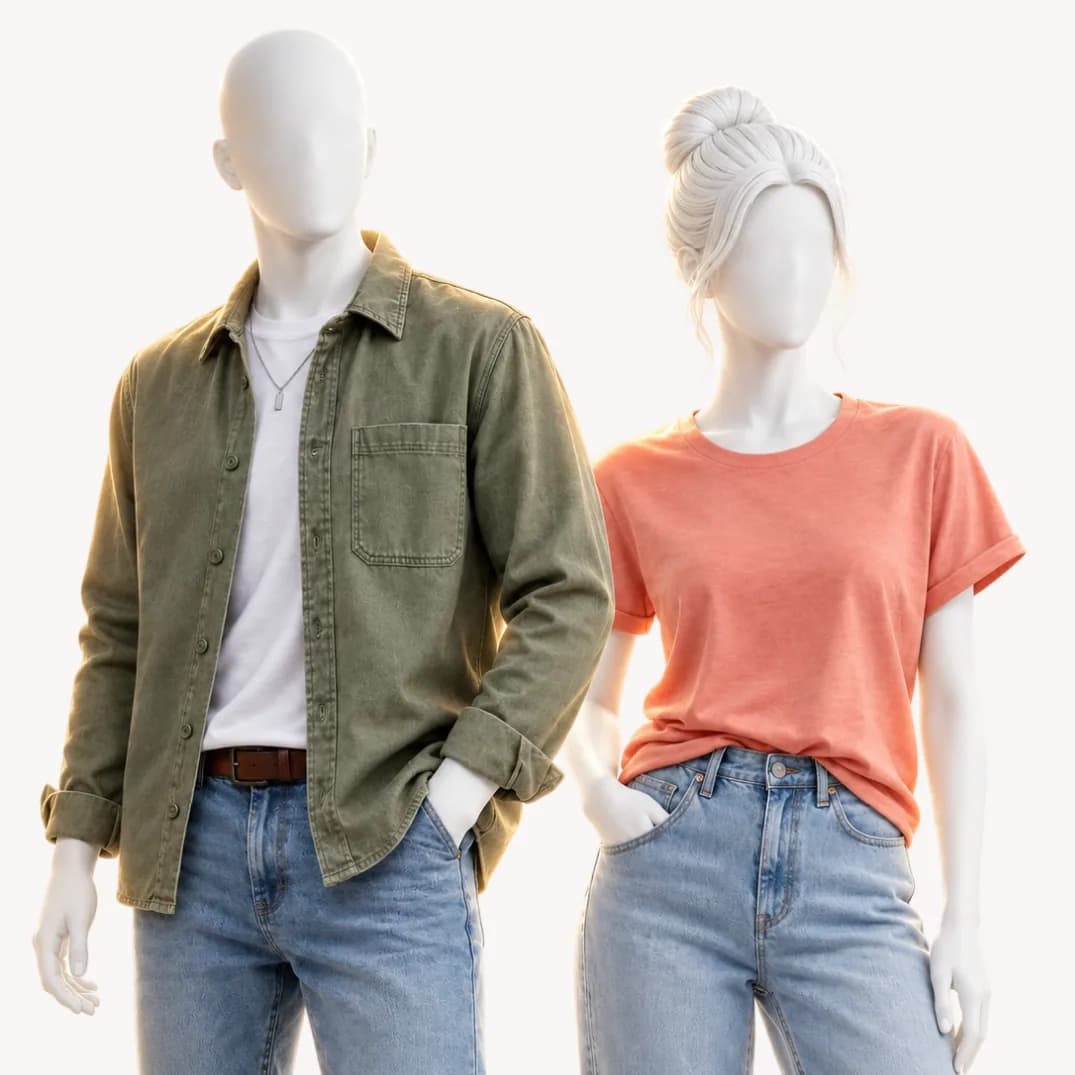 Color seasonLight Springwarm and light with low contrast
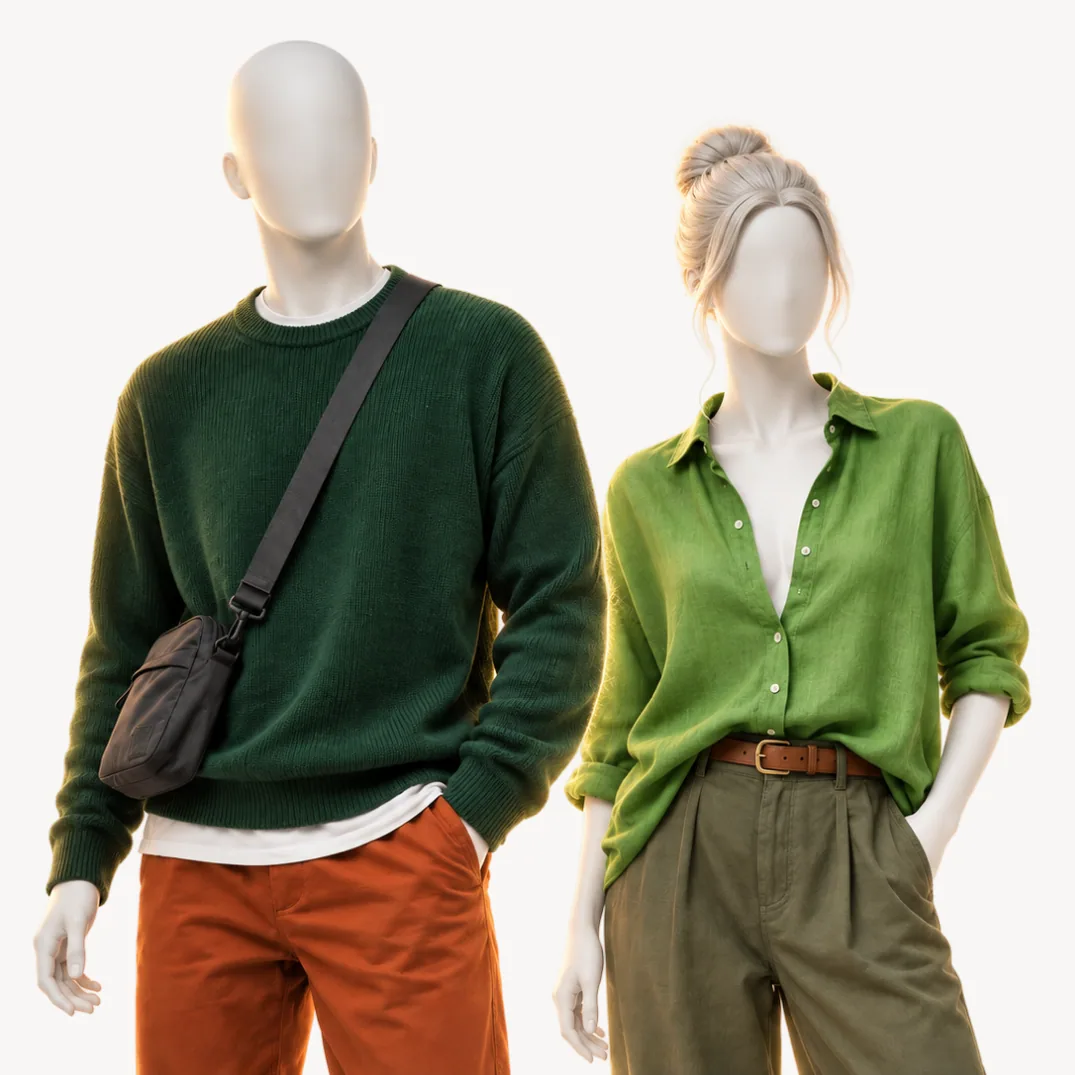 Color seasonTrue Springfully warm and clear
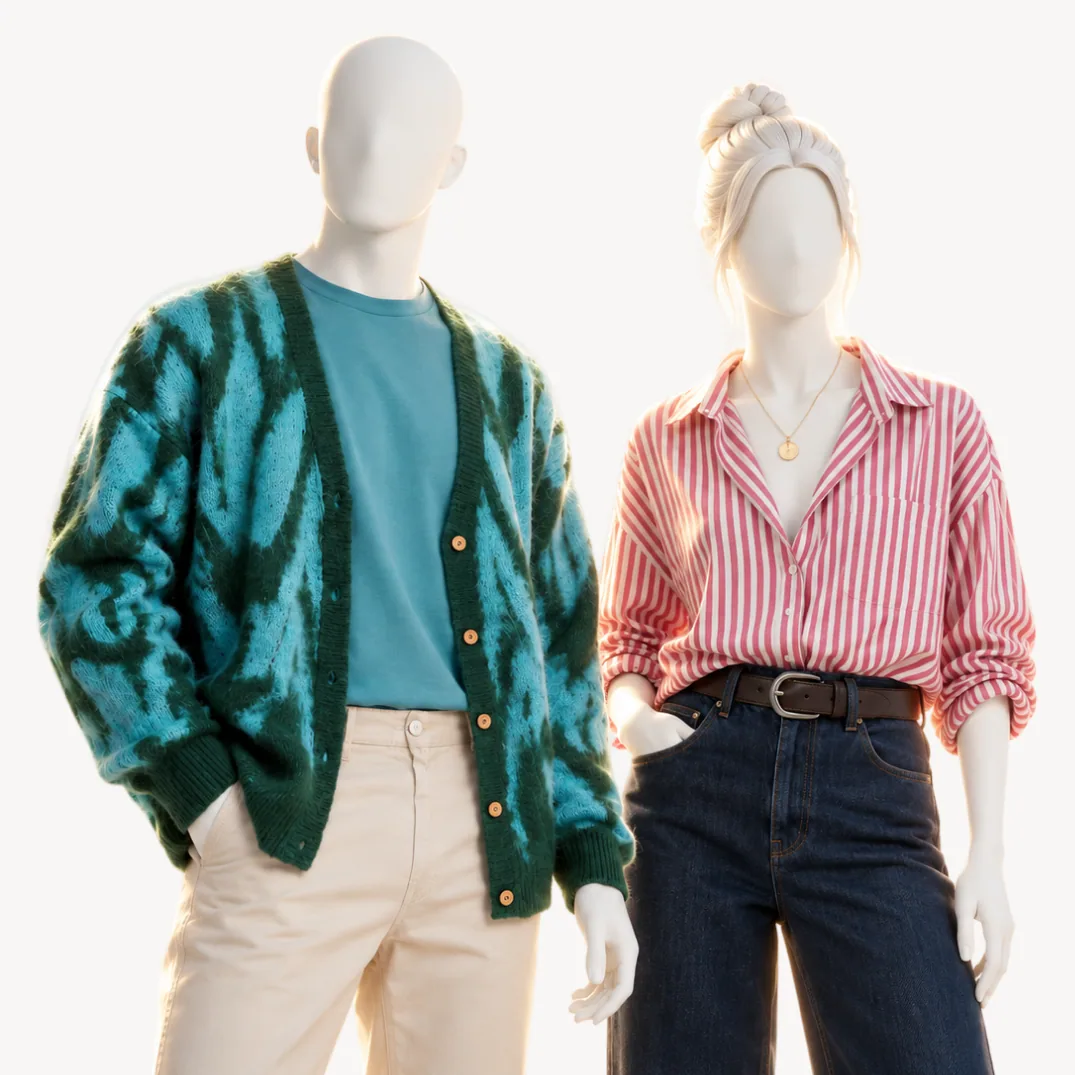 Color seasonBright Springwarm and high contrast
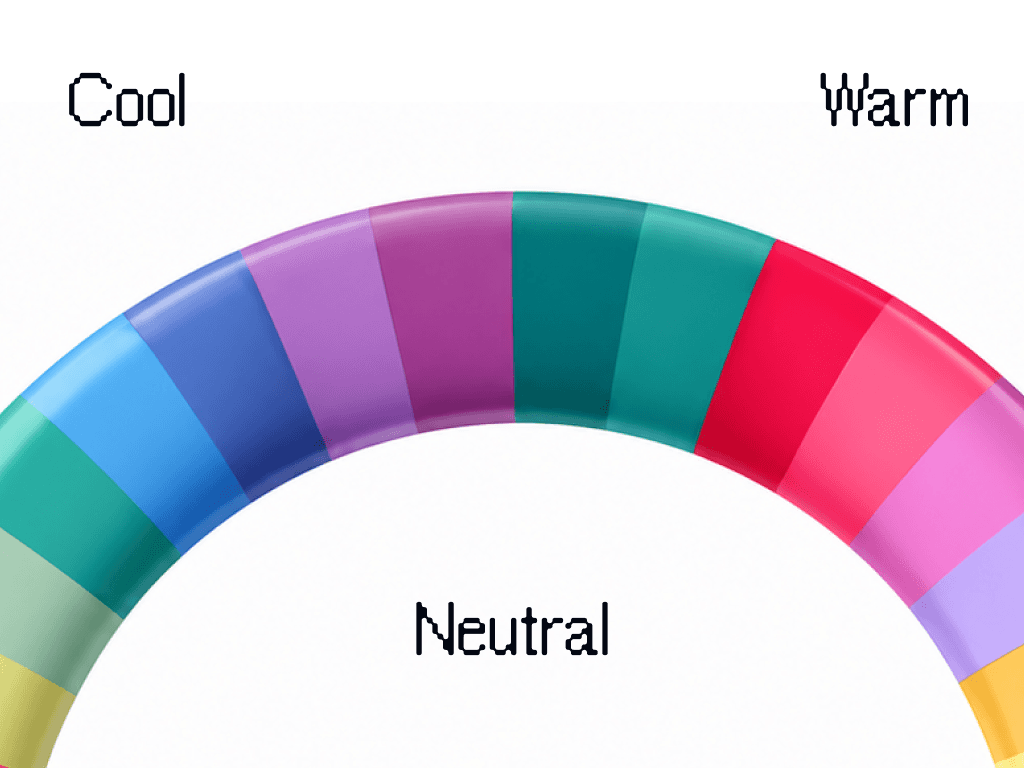
Seasons · 9 min
Find your undertone at home (warm, cool, or neutral)
Three daylight tests to find your undertone at home: wrist veins, gold vs silver, white paper. Plus how to read a neutral or olive result.

Method · 8 min
How to take photos for an accurate color analysis
The light, the angles, and the white paper trick. How to take five photos that give a color analysis something real to work with.
Men · 11 min
The best shirt colors for your skin tone
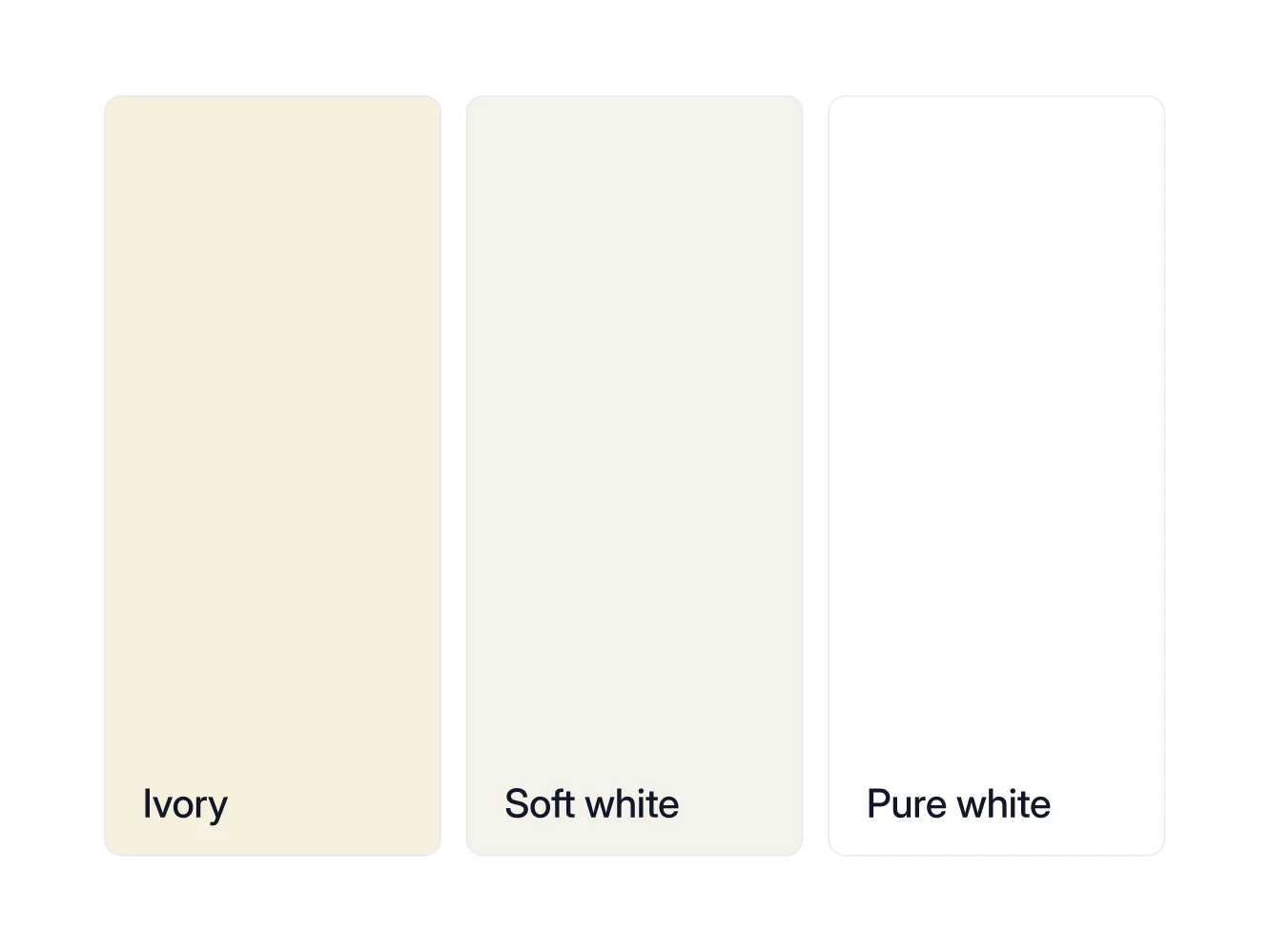
Ivory, soft white, or pure white? Which blue is yours? The shirt colors for each of the 12 color seasons, and the three shirts for a man's week.
- All 50 colors
Which side of Coral are you on?
A short questionnaire and five photos. Your key arrives by email, usually within 10 minutes.