One of the 50 colors the analysis judges
Turquoise, season by season.
Turquoise is a Wear for Light Spring, True Spring, Bright Spring and Bright Winter. It is a Depends for Light Summer, True Summer, True Autumn, Deep Autumn, Deep Winter and True Winter and a Skip for Soft Summer and Soft Autumn.
- Undertone
- Neutral undertone
- Depth
- Medium depth
- Clarity
- Clear
Also sold as turquoise blue, Caribbean blue
Last updated
The color
What Turquoise is, and why it works or fails.
Turquoise is the blue-green of shallow water over white sand, named after the stone.
It sits between mint, which is paler and softer, and teal, which is darker and grayer. Its undertone is neutral: the blue half pulls cool, the green half pulls warm, and neither wins. Depth, meaning how far a color stands from white on one side and black on the other, is medium. Clarity is high, so the pigment looks clean and lit from inside rather than dusted over. Cotton poplin and linen keep it fresh, silk and satin push it toward electric, and a heathered knit calms it a little.
Clarity settles turquoise first. It is a saturated color, and the face beside it needs some clearness of its own or the garment does all the talking. Soft Summer and Soft Autumn are muted through and through, their hair, skin and eyes close in strength, so the blue-green glows and the skin looks gray behind it. Undertone then sorts everyone else. Because the blue and the green hold each other in balance, turquoise lands well on the Springs: the green half meets their warmth, and the clean pigment meets the brightness in their eyes. Bright Winter wears it for another reason, a vivid, high-contrast coloring that leans cool without sitting at the far end, so the blue half fits and the green does no harm. True Summer, Deep Winter and True Winter are fully cool, and in a large piece the green shows against their skin. True Autumn and Deep Autumn have warmth but a muted surface, and Light Summer is soft and pale. For those six, one small piece carries the color better than a shirt.
How to wear it
Where each season puts Turquoise.
The verdict the analysis gives Turquoise for each season, where it goes, and the reason.
- Light SpringLight Spring's warm lean meets the green side of turquoise, and the clean pigment answers the brightness in its eyes; a turquoise cotton shirt over a soft white tee keeps the whole look light.
- True SpringTrue Spring is warm and clear at full strength, with the same clarity turquoise has, so the blue-green can be the main color of a dress or a polo, with coral or golden yellow nearby.
- Bright SpringBright Spring's high contrast holds a saturated color without being drowned by it, which makes turquoise one of its best blues; a turquoise knit beside warm pink or orange works at the collar.
- Bright WinterBright Winter's coolness is a lean, not an extreme, and its vivid, high-contrast coloring matches the saturation, so turquoise works as a shirt or a coat, especially with pure white or black.
- Light SummerAs an accentLight Summer leans cool and keeps its coloring soft and pale, so a full turquoise shirt outshines the face; a turquoise scarf tied to a bag or a pair of espadrilles brings the color in at a size that works.
- True SummerAs an accentTrue Summer is fully cool, and the green in turquoise sits slightly off its pink skin in a large piece, so the color belongs in an accent, a belt or a beach bag beside soft navy.
- True AutumnAs an accentTrue Autumn has warmth enough for the green half, but its rich, muted surface needs the clean blue in small doses, such as a turquoise silk scarf against a rust or chocolate coat.
- Deep AutumnAs an accentDeep Autumn's strong contrast can carry a point of turquoise, yet its muted warmth makes a whole shirt look loud; a turquoise bag or scarf beside olive or espresso is the better use.
- Deep WinterAs an accentDeep Winter has the clarity for turquoise but a fully cool undertone, and the green half shows against the skin in a big piece; a turquoise tie or clutch against black keeps it as a flash.
- True WinterAs an accentTrue Winter's icy coloring prefers a blue with no green in it at the face, such as royal blue, so turquoise moves to a small piece: a watch strap, a pocket square or a pair of sneakers.
- Soft SummerTurquoise is far clearer than Soft Summer's grayed, low-contrast coloring, and the face fades behind it; dusty blue or sage gives a blue or a green at the softness this season wears.
- Soft AutumnSoft Autumn's muted warmth looks dull beside such clean pigment, as the garment takes the attention away from the face; sage or medium denim keeps a similar color family at a quieter level.
Don't know your season yet? Narrow it down in a minute.
Pairings
Worn by the same seasons.
The colors the seasons that wear Turquoise also wear at the face: the ones most likely to share a wardrobe with it.
Turquoise
Turquoise: common questions
Neither, quite. Turquoise sits on the line between blue and green: the blue reads cool, the green reads warm, and in a true turquoise they balance out. That is why the warm Springs and the cool-leaning Bright Winter all wear it at the face. Clarity matters more than temperature here: it is a vivid color, and soft, muted coloring looks faded beside it.
Warm aquamarine is lighter and greener, with a clearly warm undertone, while turquoise holds blue and green in balance. Every Spring wears both of them up at the collar. The difference shows on the cool side: Bright Winter wears turquoise at the collar but keeps warm aquamarine below the waist, and True Summer, True Winter and Deep Winter take turquoise as an accent while skipping warm aquamarine.
Coral is the classic warm partner, and camel, ivory and chocolate make turquoise easy to wear every day for the Springs. For Bright Winter, pure white, black, fuchsia and lemon keep the outfit crisp. Earthy, grayed colors such as olive or khaki tend to look tired next to it, because the turquoise is so much cleaner than they are.
Two of the three can, in small doses. Light Summer and True Summer wear it as an accent: a scarf, a belt, a bag or shoes, with their own blues around it. Soft Summer skips it, because the saturation outshines a grayed, low-contrast face. For a blue near the face, all three Summers wear dusty blue and light forget-me-not.
Another question about the method or your result? Write to us
The 50 colors
Your own 50 verdicts.
A season page shows how a season treats Turquoise. Your analysis places you in one season from your answers and five photos, and gives every one of the 50 colors its verdict and its reason, for you.
The size of a handkerchief.
Seasons that wear Turquoise, and how to find yours
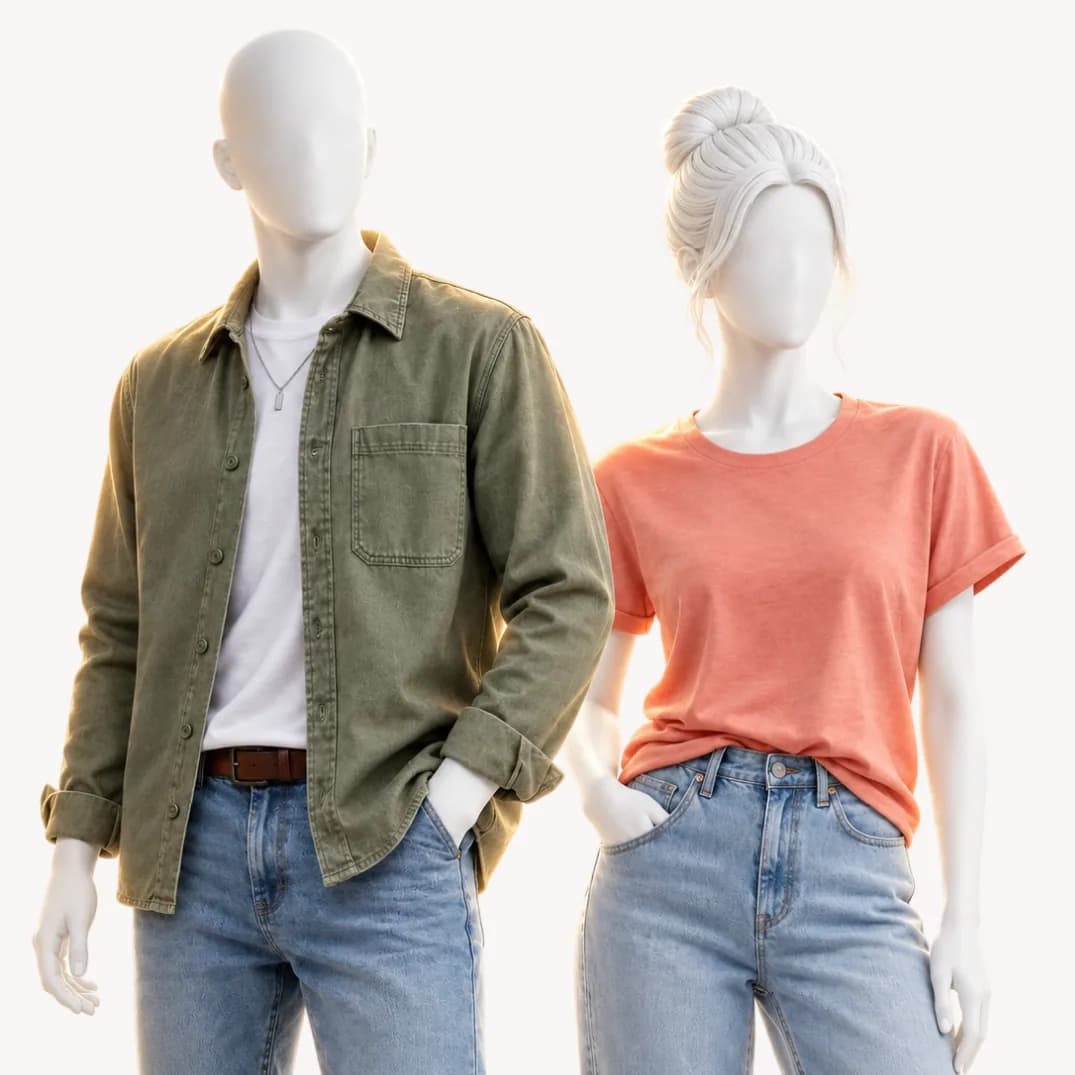 Color seasonLight Springwarm and light with low contrast
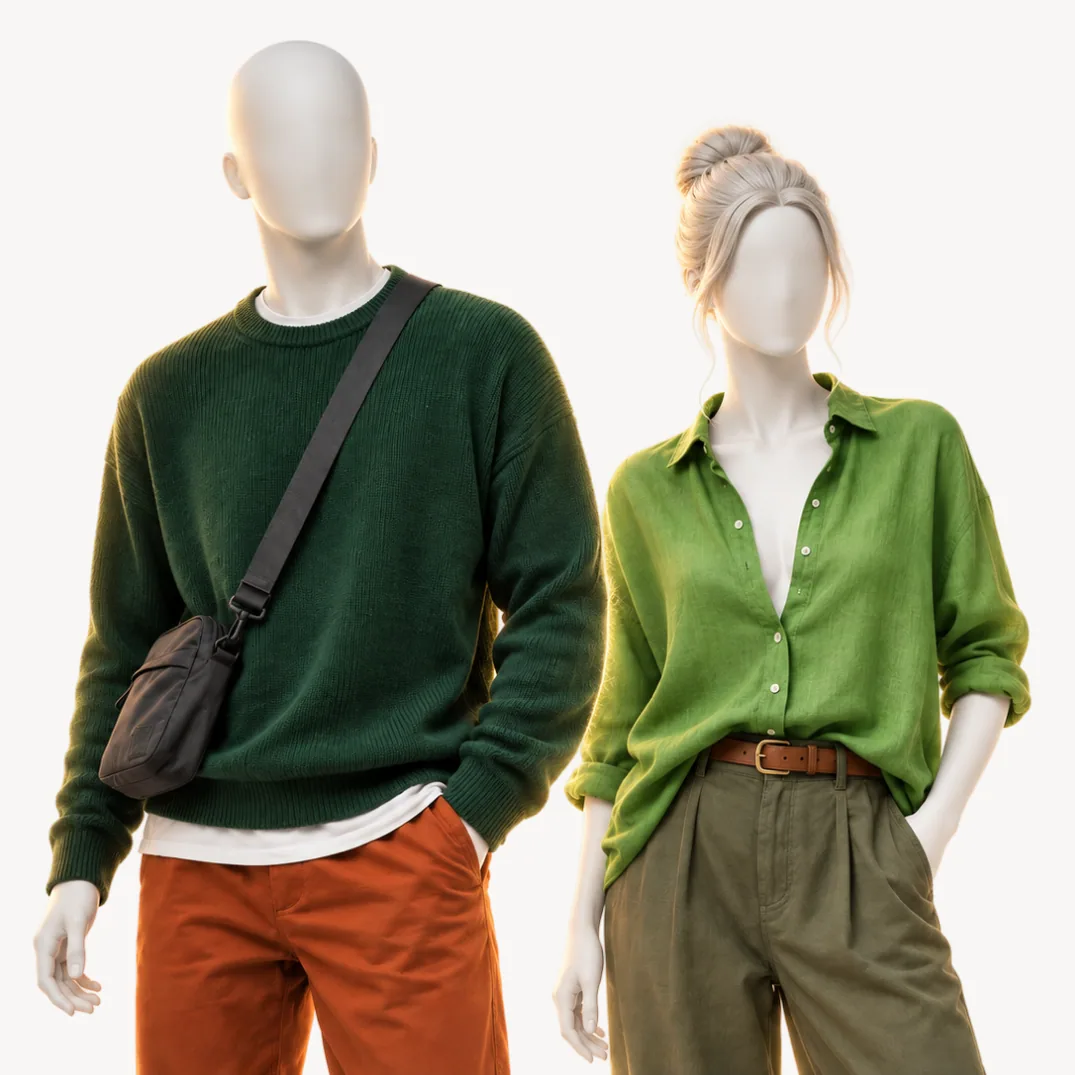 Color seasonTrue Springfully warm and clear
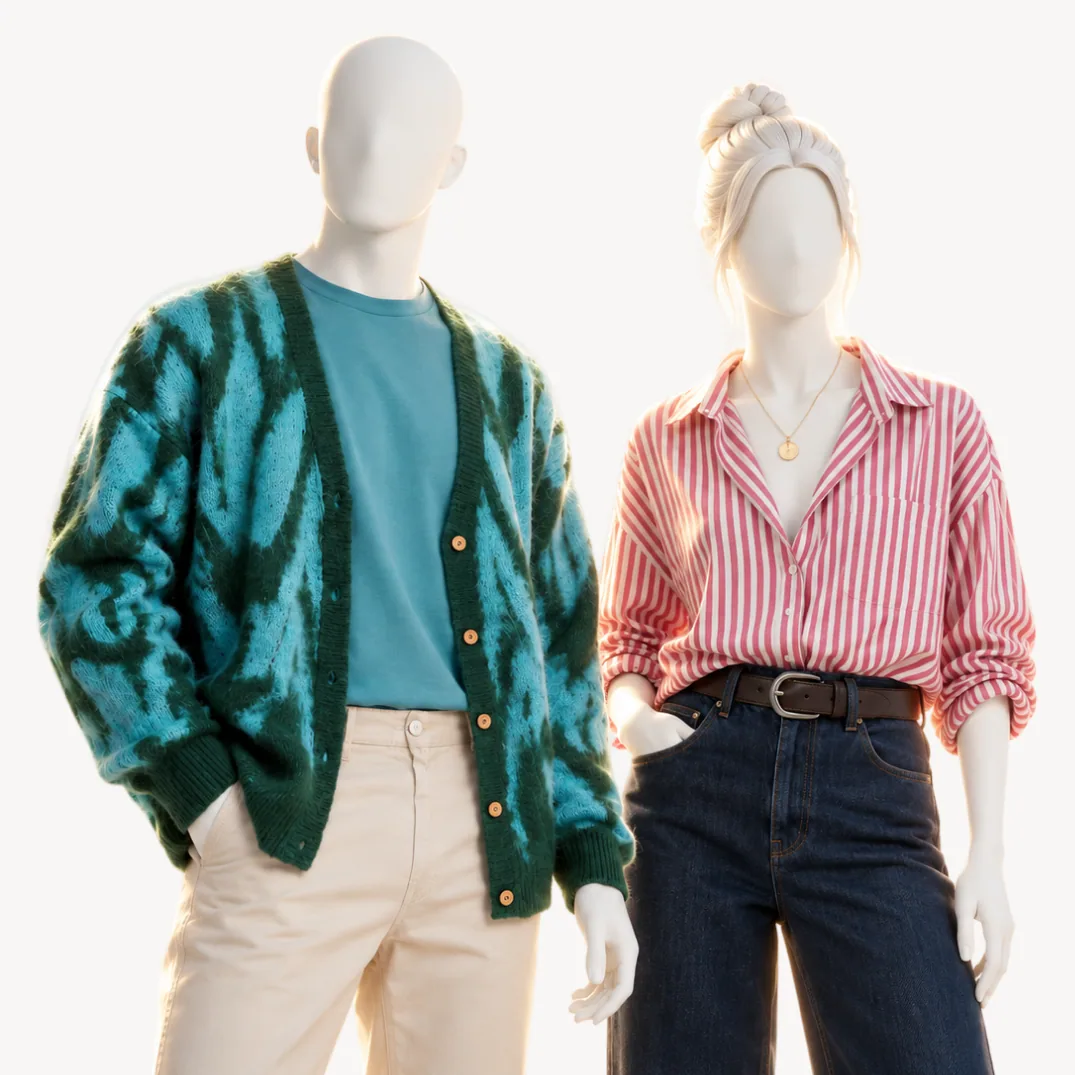 Color seasonBright Springwarm and high contrast
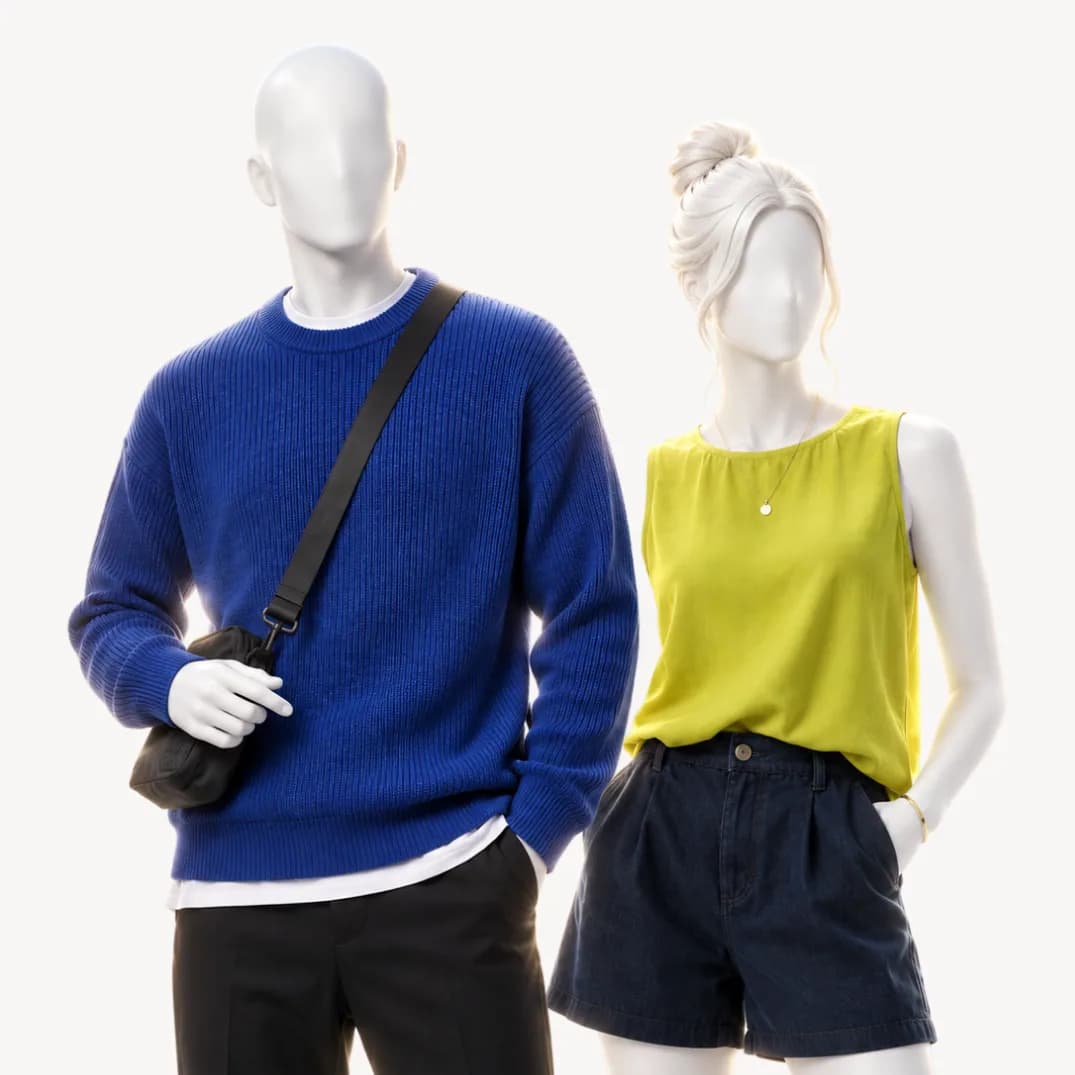 Color seasonBright Wintercool and vivid with high contrast
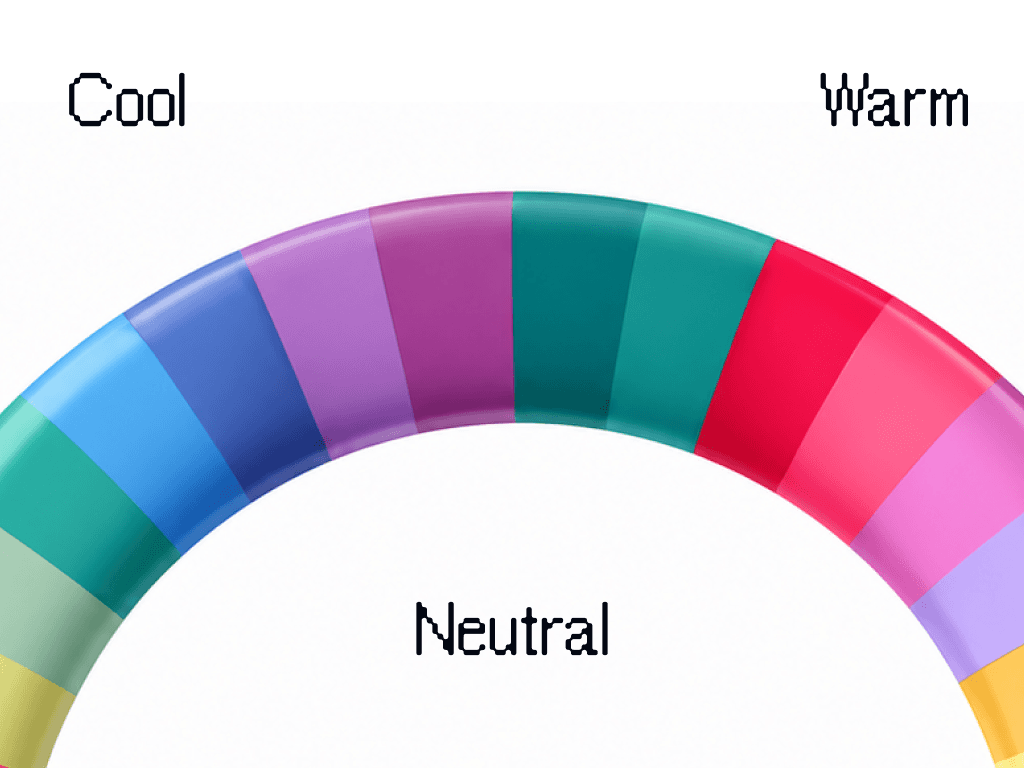
Seasons · 9 min
Find your undertone at home (warm, cool, or neutral)
Three daylight tests to find your undertone at home: wrist veins, gold vs silver, white paper. Plus how to read a neutral or olive result.

Method · 8 min
How to take photos for an accurate color analysis
The light, the angles, and the white paper trick. How to take five photos that give a color analysis something real to work with.
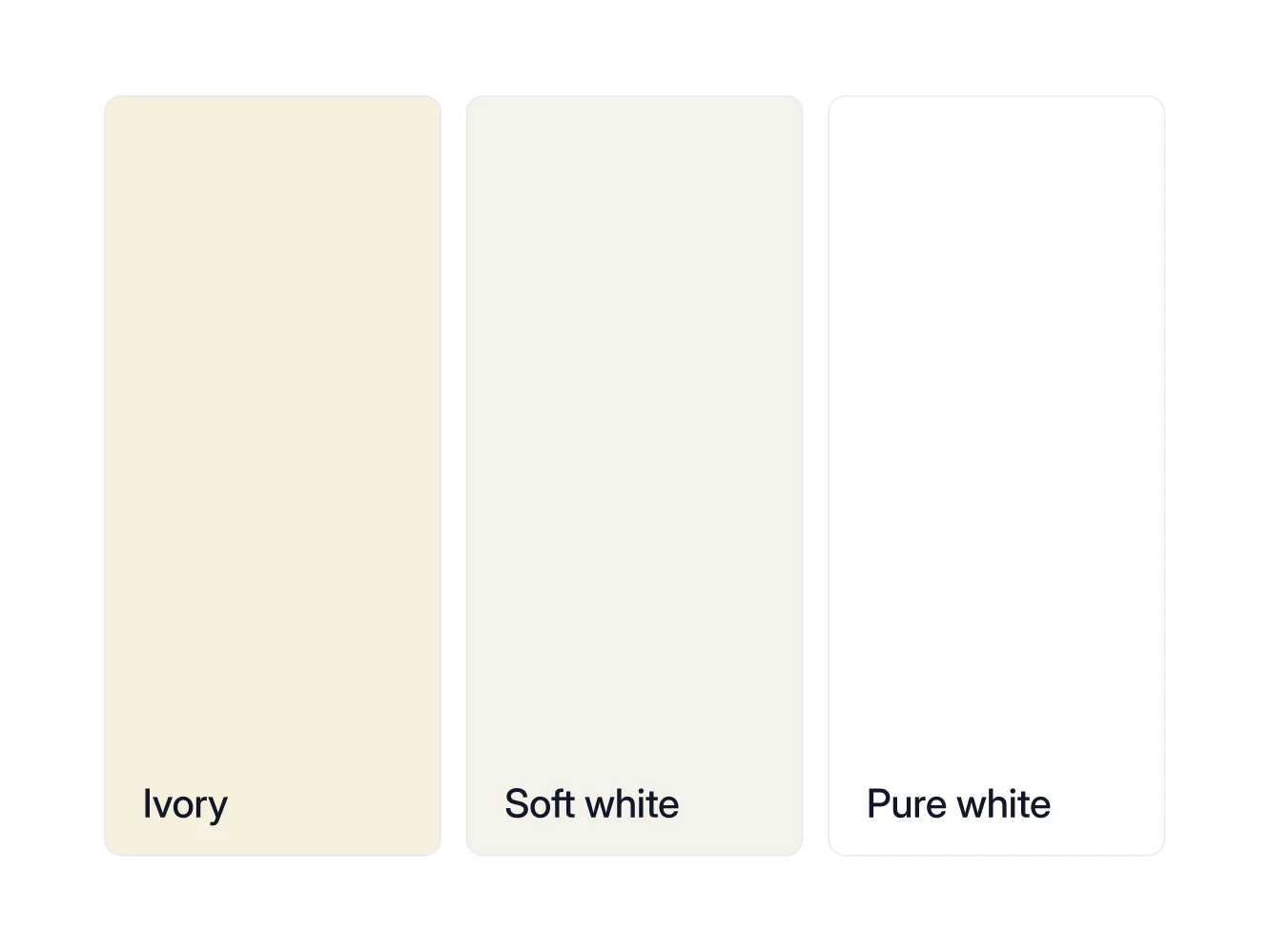
Men · 11 min
The best shirt colors for your skin tone
Ivory, soft white, or pure white? Which blue is yours? The shirt colors for each of the 12 color seasons, and the three shirts for a man's week.
- All 50 colors
Which side of Turquoise are you on?
A short questionnaire and five photos. Your key arrives by email, usually within 10 minutes.