One of the 50 colors the analysis judges
Sage, season by season.
Sage is a Wear for Soft Summer and Soft Autumn. It is a Depends for Light Spring, Light Summer, True Summer, True Autumn and Deep Autumn and a Skip for True Spring, Bright Spring, Deep Winter, True Winter and Bright Winter.
- Undertone
- Neutral undertone
- Depth
- Medium depth
- Clarity
- Muted
Also sold as gray green, dusty green, eucalyptus
Last updated
The color
What Sage is, and why it works or fails.
Sage is green with a large share of gray mixed in, the color of the dried herb or the underside of an olive leaf.
The gray defines it: it pulls the green toward neutral, so sage reads as calm and close to colorless in low light. It sits at medium depth and has a dry, chalky quality on cloth, most at home in linen, washed cotton and brushed wool, where the surface stays soft.
Sage sits in the middle on undertone, the warm or cool cast under the skin, so warmth hardly matters for it. Clarity decides it. Clarity is how clear or muted a coloring looks, and sage is about as muted as a green gets. A soft face, where hair, eyes and skin blend at low contrast, matches its gray and looks rested in it. A clear face carries more color than sage can answer, so the green looks drab and the skin looks pale. Depth, how light or dark, plays a smaller part: sage is medium, a touch heavy for the lightest faces and a touch faint for the darkest. That is why the two Soft seasons wear it anywhere and the winters leave it on the rail.
How to wear it
Where each season puts Sage.
The verdict the analysis gives Sage for each season, where it goes, and the reason.
- Soft SummerSoft Summer's cool, grayed coloring meets sage on its own terms; the gray in the green echoes the gray in the face, so a sage coat looks natural.
- Soft AutumnSoft Autumn is warm and muted with low contrast, and sage's gentle green leans toward that warmth; wear it as a linen shirt or a long dress.
- Light SpringAs an accentLight Spring is warm, light and clear where sage is grayed, so the green shows up best in small amounts: a printed scarf or a sage canvas belt.
- Light SummerAs an accentLight Summer shares sage's softness, but the green sits a step too heavy for light, cool coloring, so it works as a belt or a small bag.
- True SummerAs an accentTrue Summer is cool and softly muted, close to sage in clarity, so a sage knit tie or watch strap sits well beside a soft blue shirt.
- True AutumnAs an accentTrue Autumn wants richer greens than sage, so the grayed version becomes an accent, a sage pattern in a scarf, with olive or forest green at the collar.
- Deep AutumnAs an accentOn a Deep Autumn, sage looks light and faded next to deep hair, so it belongs in an accessory such as a canvas strap, with forest green above.
- True SpringSage's gray dulls a True Spring's warm, clear coloring and makes the face look tired; leaf green or a clear jade has the clarity it needs.
- Bright SpringBright Spring's high contrast swallows a muted green like sage; a clear kelly green or turquoise brings the energy back to the collar.
- Deep WinterDeep Winter's deep, high contrast coloring needs clarity, and sage's gray takes it away; a deep teal gives Deep Winter its green at the face.
- True WinterTrue Winter is cool and clear, so the dusty gray in sage reads as lifeless beside it; a true emerald suits the collar and keeps the contrast.
- Bright WinterSage sits muted where Bright Winter sits vivid, so in photos the green turns to a khaki gray; an icy mint or a vivid teal does the work.
Don't know your season yet? Narrow it down in a minute.
Pairings
Worn by the same seasons.
The colors the seasons that wear Sage also wear at the face: the ones most likely to share a wardrobe with it.
Sage
Sage: common questions
Sage is neutral. The green sits near the middle of the color wheel, and the gray mixed into it cancels most of the warmth or coolness. That is why it reaches both Soft Summer and Soft Autumn. What decides it on a person is clarity: sage needs muted coloring, and clear or vivid coloring makes it look drab.
Sage pairs with other soft colors: dusty pink, mauve, medium denim and mint for a cool, quiet look, rust and warm greige for a warmer one. Cream and stone keep it light. Very bright colors next to sage make it look faded, so pair it with colors of a similar softness.
Olive is yellower and darker, a warm green with brown in it. Sage is lighter and grayer, with a neutral undertone. The difference shows on a person: olive leans toward the warm, rich autumns, while sage suits soft, muted coloring in both the summer and the autumn family.
Hold a sage cloth under your chin in daylight and watch your skin. If your face looks even and calm, sage is working. If the skin turns gray or your eyes lose their color, your coloring is clearer than sage. An analysis gives a verdict on it directly: AI reads your photos and answers, fixed rules make the call.
Another question about the method or your result? Write to us
The 50 colors
Your own 50 verdicts.
A season page shows how a season treats Sage. Your analysis places you in one season from your answers and five photos, and gives every one of the 50 colors its verdict and its reason, for you.
Clean and soft at once, fine in a touch, flat in bulk.
Seasons that wear Sage, and how to find yours
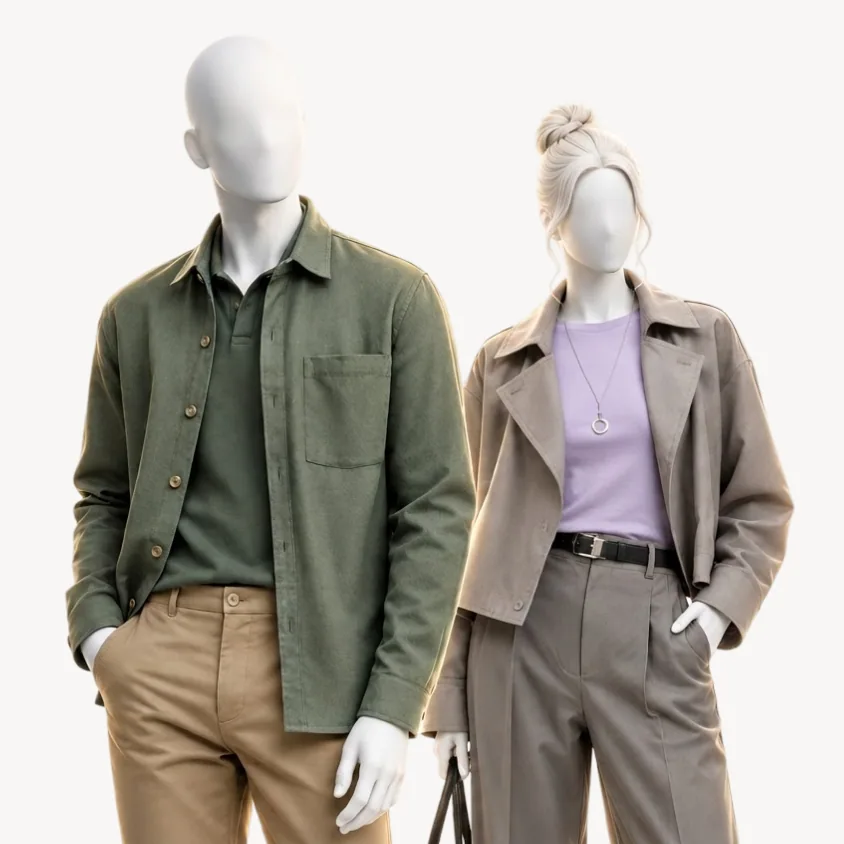 Color seasonSoft Summercool and grayed down
 Color seasonSoft Autumnwarm and muted with low contrast
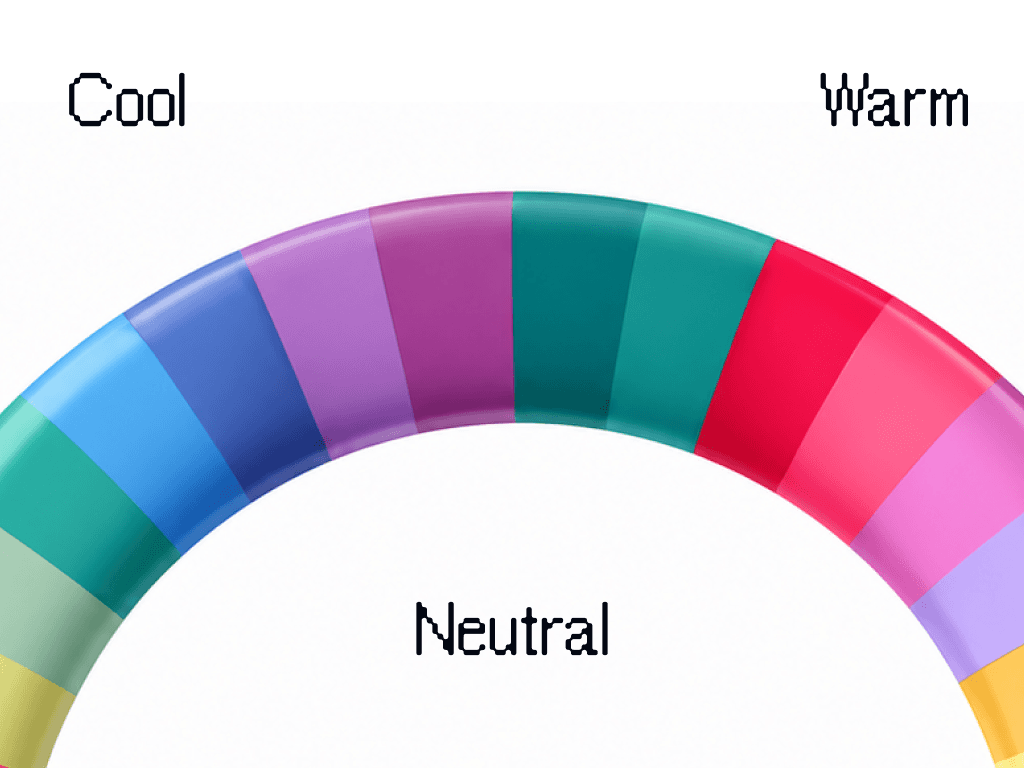
Seasons · 9 min
Find your undertone at home (warm, cool, or neutral)
Three daylight tests to find your undertone at home: wrist veins, gold vs silver, white paper. Plus how to read a neutral or olive result.

Method · 8 min
How to take photos for an accurate color analysis
The light, the angles, and the white paper trick. How to take five photos that give a color analysis something real to work with.
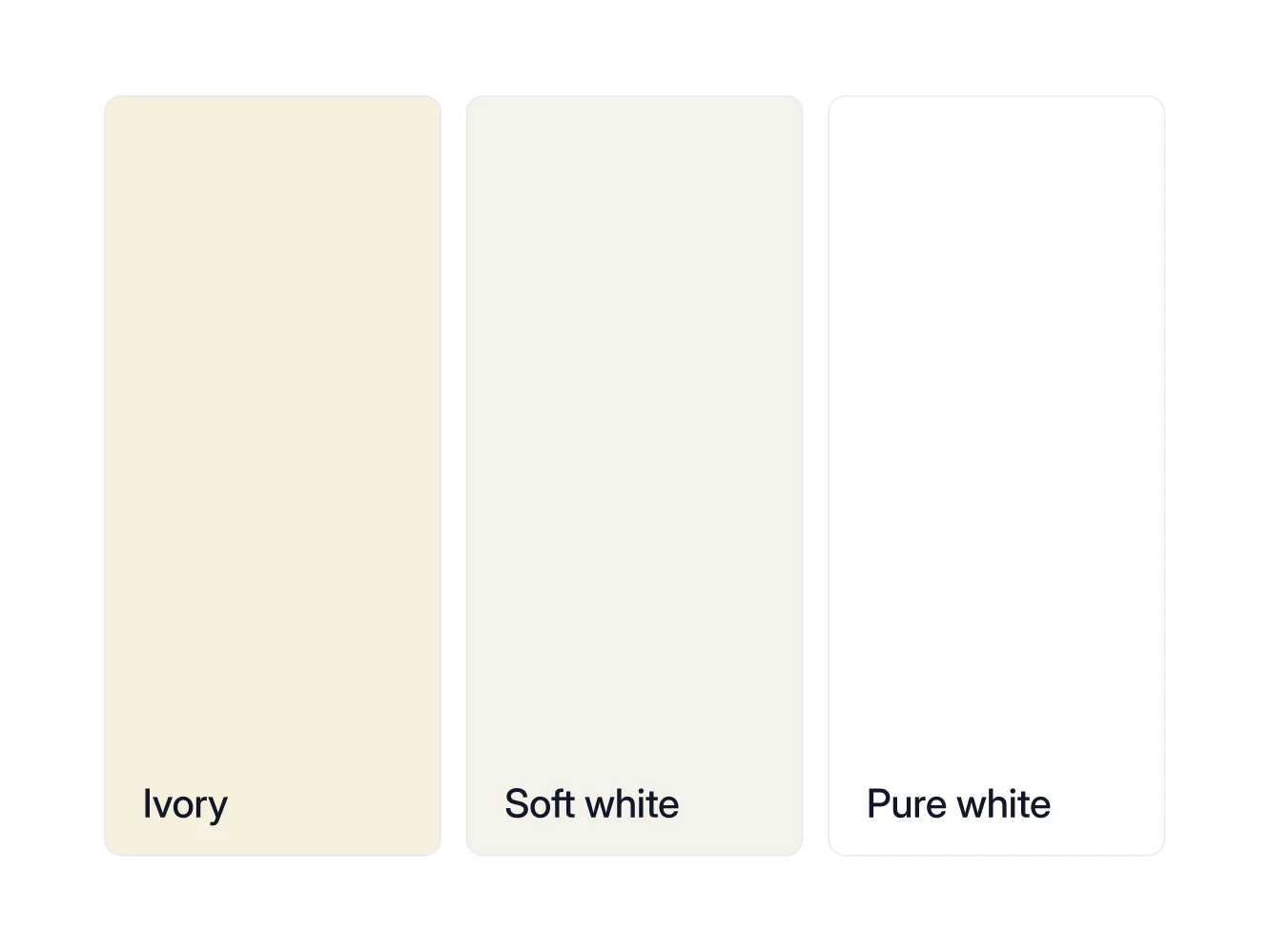
Men · 11 min
The best shirt colors for your skin tone
Ivory, soft white, or pure white? Which blue is yours? The shirt colors for each of the 12 color seasons, and the three shirts for a man's week.
- All 50 colors
Which side of Sage are you on?
A short questionnaire and five photos. Your key arrives by email, usually within 10 minutes.