One of the 50 colors the analysis judges
Rust, season by season.
Rust is a Wear for Soft Autumn, True Autumn and Deep Autumn. It is a Depends for Light Spring, True Spring and Bright Spring and a Skip for Light Summer, True Summer, Soft Summer, Deep Winter, True Winter and Bright Winter.
- Undertone
- Warm undertone
- Depth
- Dark
- Clarity
- Muted
Also sold as burnt orange, copper
Last updated
The color
What Rust is, and why it works or fails.
Rust is orange darkened with brown until it reaches the color of weathered iron or a dry autumn leaf.
Depth is its defining quality: it sits at the dark end of the oranges, heavy enough to act as a neutral in an outfit, the way brown or navy does. On cloth it reads rich and slightly dusty, best in suede, corduroy, tweed and heavy cotton twill, which give the depth a texture to catch the light.
Rust carries three readings. Its undertone, the warm or cool cast, is strongly warm. Its depth, how light or dark it is, is dark. Its clarity, how clear or muted it is, is low. Next to a face, depth does the most work: rust puts a dark mass under the chin, and the face needs enough depth of its own to balance it. The autumns have that depth, and their warm, muted coloring matches the rest. The springs share the warmth but are lighter and clearer, so rust at the collar looks heavier than the person wearing it. On cool faces the orange reflects up and the cheeks turn ruddy.
How to wear it
Where each season puts Rust.
The verdict the analysis gives Rust for each season, where it goes, and the reason.
- Soft AutumnRust gives a Soft Autumn depth while keeping its low contrast, because the color is as muted as the face; a rust knit reads as warm and easy.
- True AutumnTrue Autumn is the season rust seems drawn from: fully warm, rich, medium in depth, so a rust coat or shirt carries straight up to the face.
- Deep AutumnDeep Autumn has the depth to match rust and the contrast to frame it; pair a rust shirt with chocolate trousers or a forest green jacket.
- Light SpringBelow the waistRust is several steps darker than a Light Spring's coloring, so it lives on the legs: rust cords or suede boots under a light peach knit.
- True SpringBelow the waistTrue Spring has the warmth for rust and more clarity than its dusty surface, so it works as a skirt or chinos, with clear warm color at the collar.
- Bright SpringBelow the waistBright Spring's contrast and clarity make rust look dull near the face; wear it as rust trousers or a leather belt, and bring coral or turquoise up top.
- Light SummerRust is darker and warmer than anything in a Light Summer's coloring and sits like a shadow under the chin; soft cocoa or dusty plum works better.
- True SummerTrue Summer's fully cool skin turns blotchy next to rust's orange; a cool plum or blue spruce gives the same depth in the right undertone.
- Soft SummerRust throws orange onto a Soft Summer's cool, grayed skin and the cheeks look flushed; slate blue or a smoky rose suits the same quiet palette.
- Deep WinterRust is as dark as Deep Winter likes, yet its orange belongs to warm skin; at the collar, burgundy or aubergine gives the same weight in a cool key.
- True WinterIn photos, rust next to a True Winter face turns into a flat brown, because the face is cool and clear; navy or charcoal keeps the contrast.
- Bright WinterBright Winter needs saturation, and rust's brown dust drags the face down beside it; magenta or a cool scarlet brings the heat in clear color.
Don't know your season yet? Narrow it down in a minute.
Pairings
Worn by the same seasons.
The colors the seasons that wear Rust also wear at the face: the ones most likely to share a wardrobe with it.
Rust
Rust: common questions
Rust is warm. It is orange darkened with brown, and both parts carry a golden undertone. It is also dark and muted, which is why it suits the autumn seasons, whose coloring is warm, rich and soft. On cool coloring, the orange reflects onto the skin and the cheeks look flushed.
Rust pairs with greens, olive and forest green above all, and with the other warm earth colors: mustard, terracotta, chocolate and camel. Ivory and cream are its best light partners. For contrast, denim and teal sit opposite orange on the color wheel and make rust look richer.
They overlap in shops. Burnt orange is usually lighter and a little clearer, with the orange still plain to see. Rust is darker and browner, closer to oxidized metal. The depth matters on a person: rust needs coloring with some depth of its own, while burnt orange can sit on a lighter warm face.
The Springs can wear rust if they keep it below the waist. Light Spring, True Spring and Bright Spring share rust's warm undertone, but their coloring is lighter and clearer, so rust at the collar looks heavy. As trousers, a skirt, suede boots or a belt it works, especially with a light, clear warm color such as peach or coral on top.
Another question about the method or your result? Write to us
The 50 colors
Your own 50 verdicts.
A season page shows how a season treats Rust. Your analysis places you in one season from your answers and five photos, and gives every one of the 50 colors its verdict and its reason, for you.
Warm, dark and softened just like your own natural coloring.
Seasons that wear Rust, and how to find yours
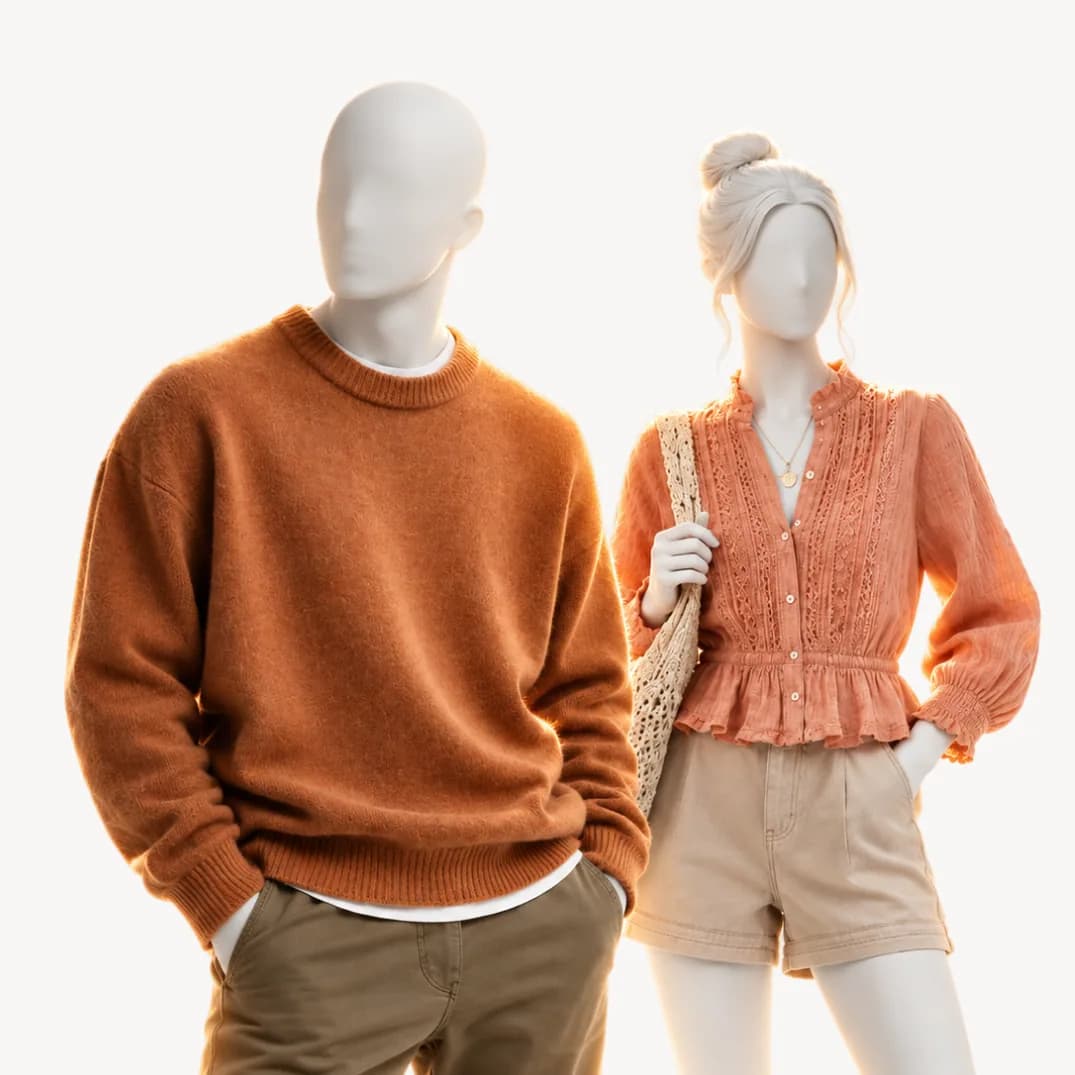 Color seasonSoft Autumnwarm and muted with low contrast
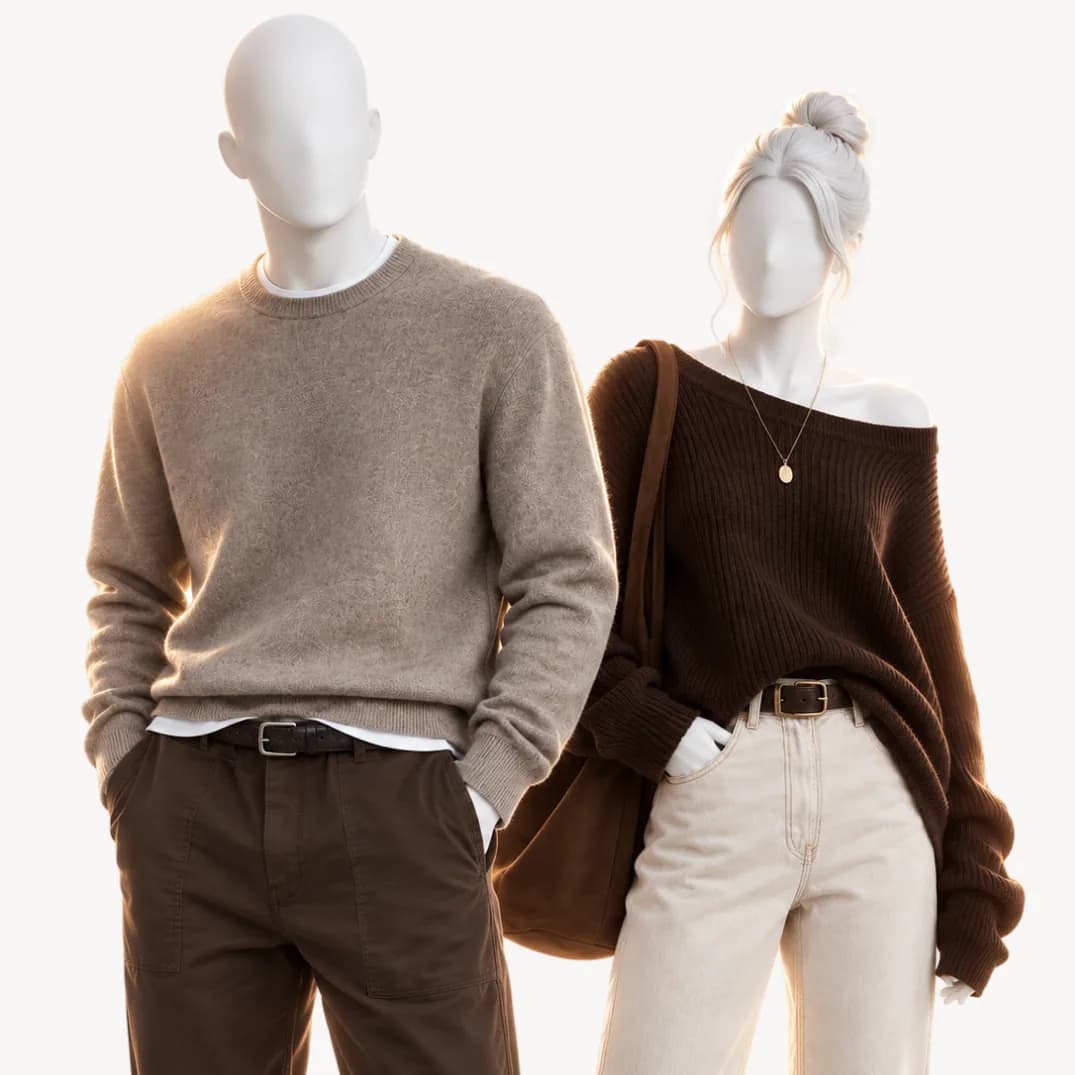 Color seasonTrue Autumnfully warm and rich
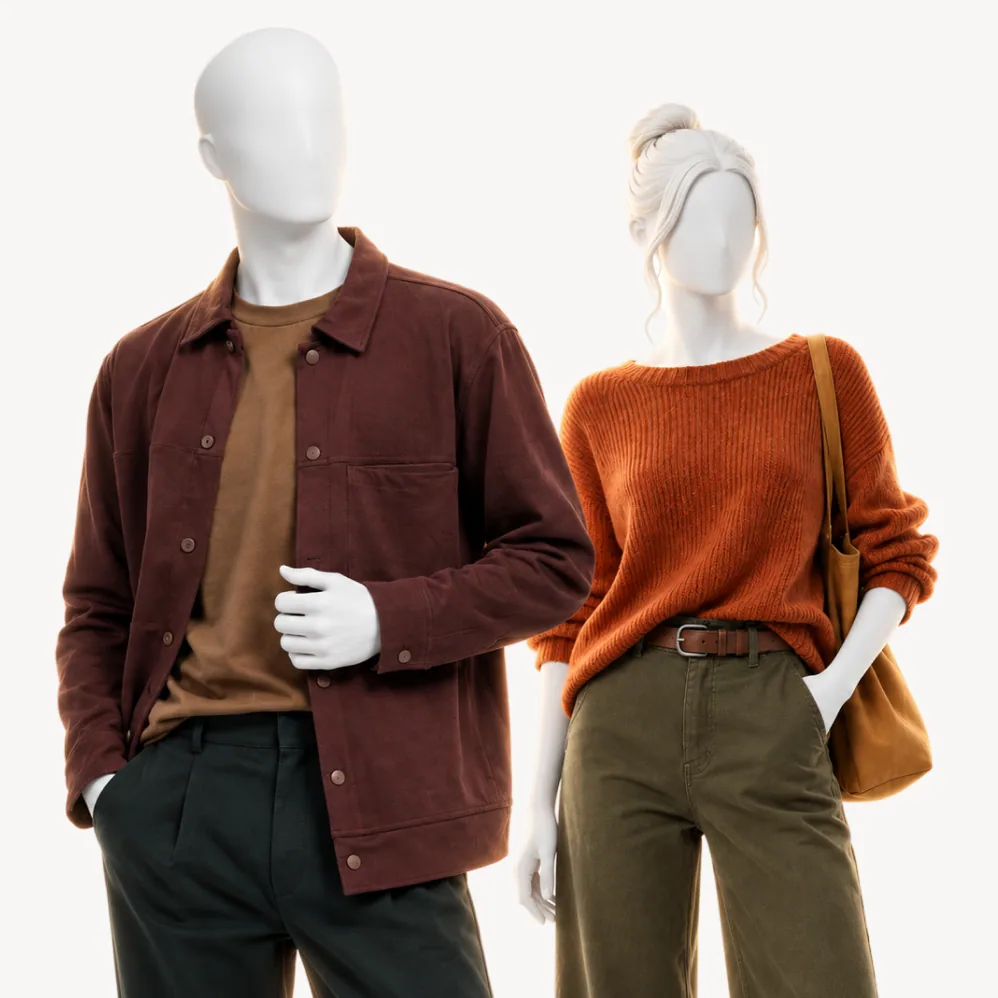 Color seasonDeep Autumnwarm and deep with high contrast
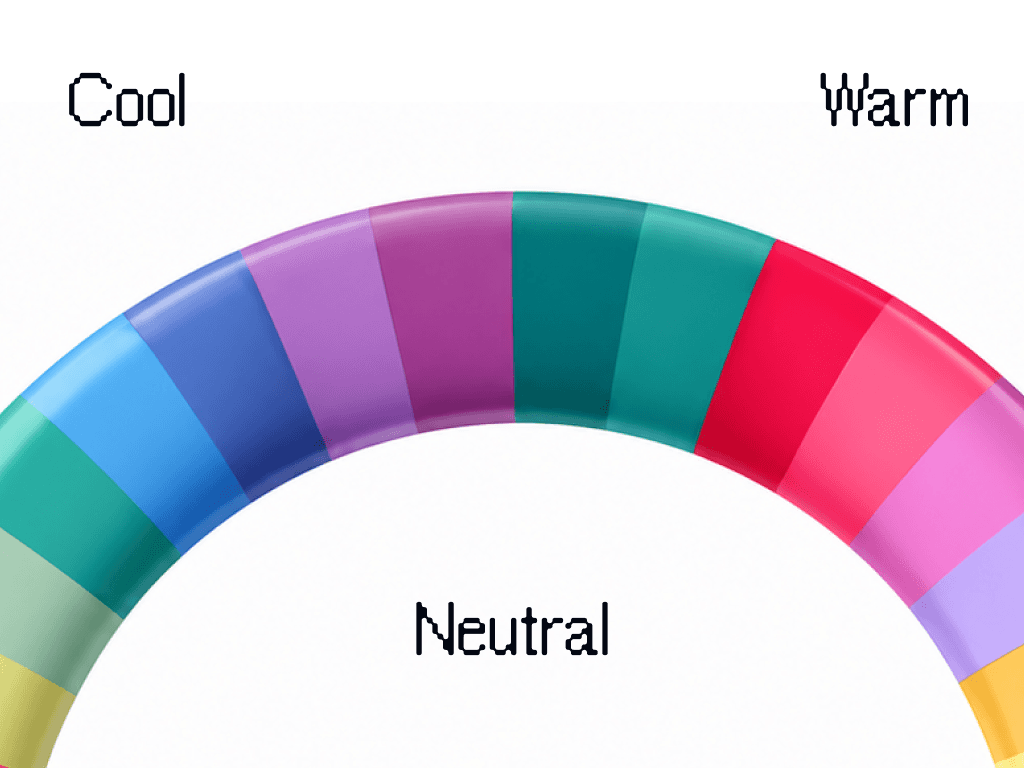
Seasons · 9 min
Find your undertone at home (warm, cool, or neutral)
Three daylight tests to find your undertone at home: wrist veins, gold vs silver, white paper. Plus how to read a neutral or olive result.
Method · 8 min
How to take photos for an accurate color analysis
The light, the angles, and the white paper trick. How to take five photos that give a color analysis something real to work with.
Men · 11 min
The best shirt colors for your skin tone
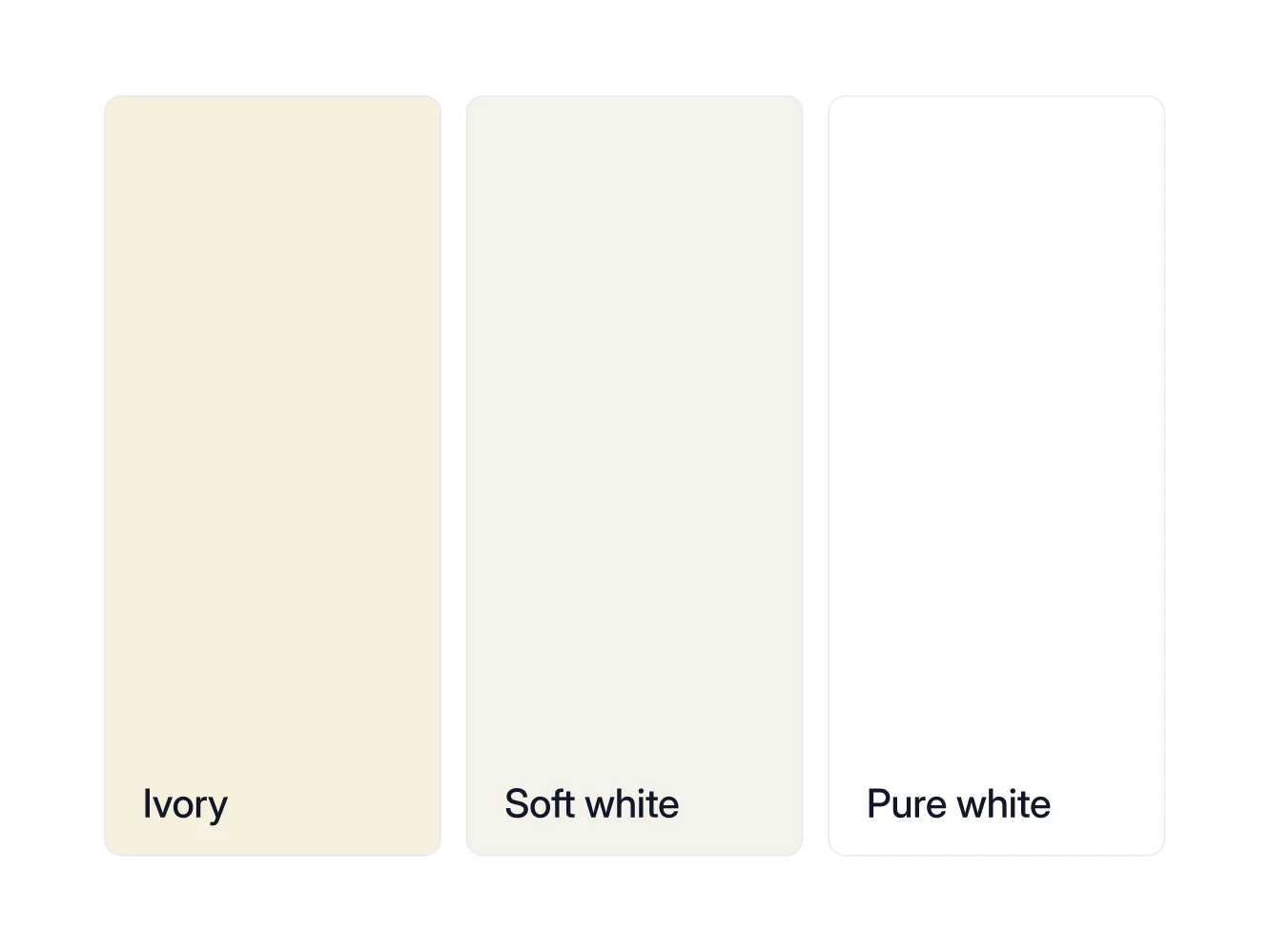
Ivory, soft white, or pure white? Which blue is yours? The shirt colors for each of the 12 color seasons, and the three shirts for a man's week.
- All 50 colors
Which side of Rust are you on?
A short questionnaire and five photos. Your key arrives by email, usually within 10 minutes.