One of the 50 colors the analysis judges
Terracotta, season by season.
Terracotta is a warm, earthy orange red at medium depth, the color of fired clay. True Spring, Soft Autumn, True Autumn and Dark Autumn wear it at the face; Light Spring and Light Summer keep it to trousers and shoes.
- Undertone
- Warm undertone
- Depth
- Medium depth
- Clarity
- Muted
Also sold as clay, burnt sienna
Last updated
The color
What Terracotta is, and why it works or fails.
Terracotta is the color of unglazed fired clay: an orange red softened with brown, lighter than rust and earthier than coral.
It sits in the middle of the warm range, medium in depth and slightly muted, while staying clearly orange. On cloth it reads sun baked and calm, best in linen, cotton canvas and suede, where its slight dustiness looks natural and the color changes gently with the light.
Terracotta works by sitting in the middle. Its undertone, the warm or cool cast, is warm, which leaves out cool faces: next to them the orange shows on the skin as redness. Its depth, how light or dark it is, is medium, so it suits faces that are neither very pale nor very dark. Its clarity, how clear or muted it is, is moderate: dusty enough for soft autumn coloring, with enough orange left that a True Spring can still carry it. That middle position is why it reaches one spring as well as all three autumns, while Bright Spring, the clearest of the warm seasons, finds it too dusty.
How to wear it
Where each season puts Terracotta.
The verdict the analysis gives Terracotta for each season, where it goes, and the reason.
- True SpringTrue Spring is fully warm and clear, and terracotta keeps enough orange to answer that warmth, so a terracotta shirt or dress sits well at the face.
- Soft AutumnSoft Autumn's warm, muted, low contrast coloring is terracotta's natural home; the clay tone looks calm on the face, especially in washed linen or soft suede.
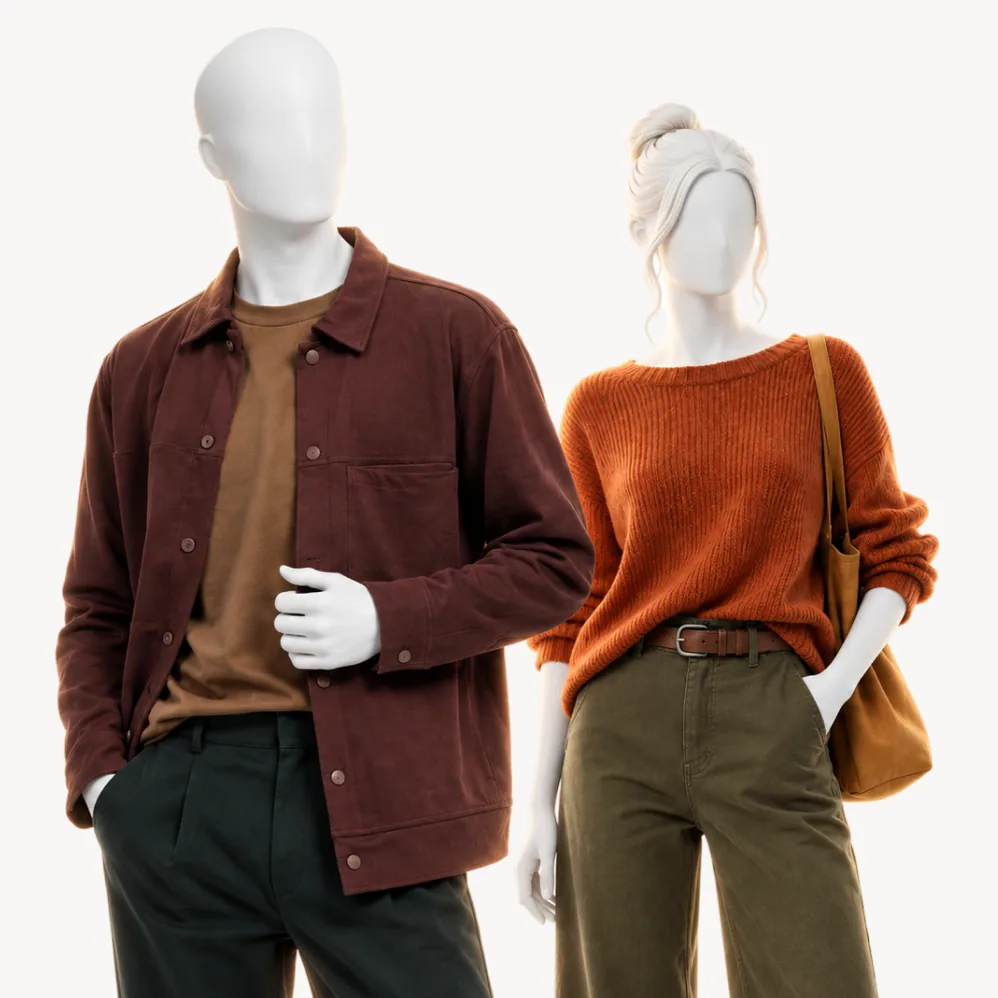
- True AutumnTrue Autumn's rich warmth deepens terracotta's orange, so it works as a full outfit, terracotta shirt and khaki trousers, from collar to hem.
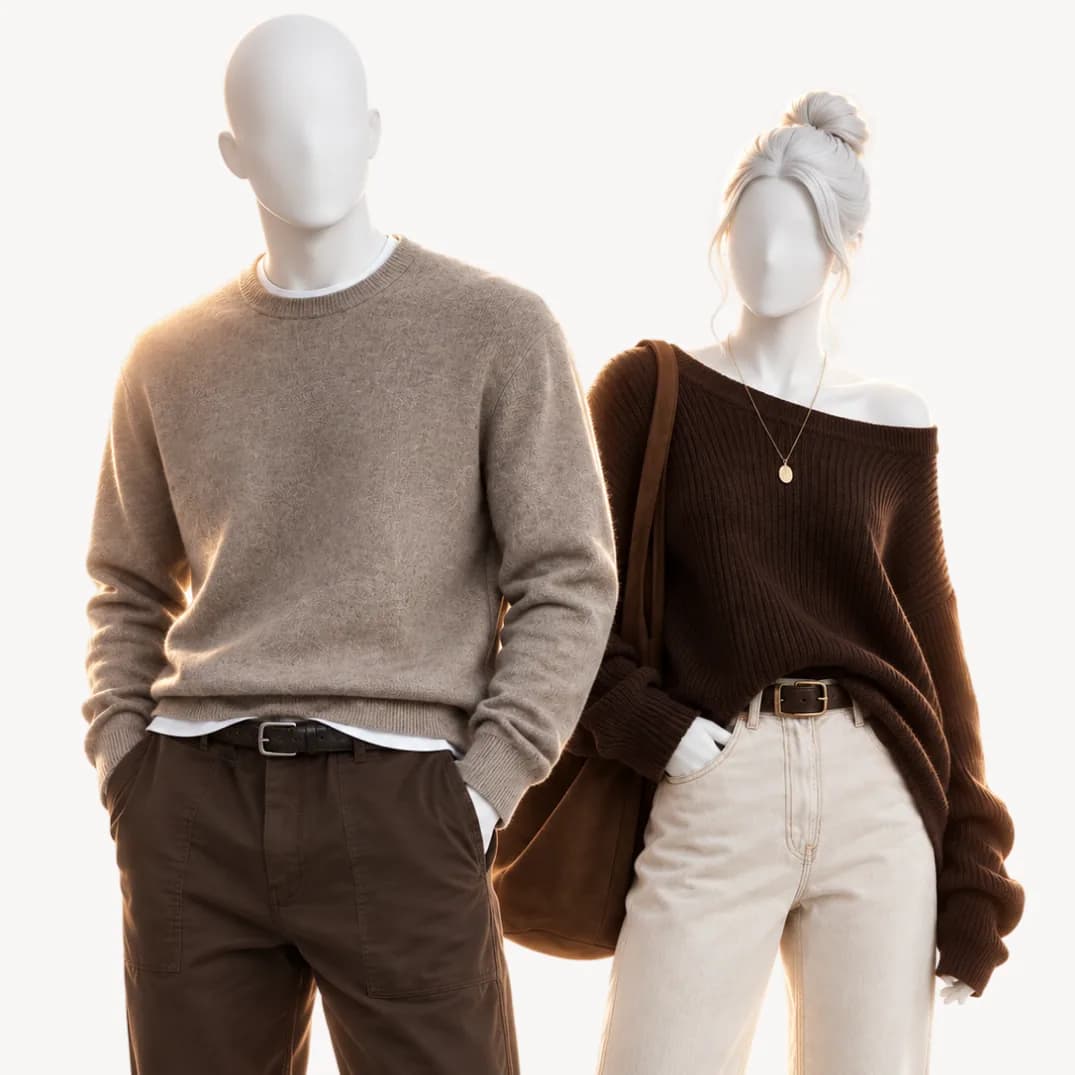
- Dark AutumnDark Autumn brings the contrast terracotta lacks on its own; set a terracotta knit against dark hair and chocolate trousers and the color looks richer.
- Light SpringBelow the waistTerracotta is warm enough for a Light Spring but heavier than pale coloring, so it moves down: terracotta linen trousers with an ivory top.
- Light SummerBelow the waistA Light Summer's cool face reddens beside terracotta, yet a terracotta linen skirt or leather sandals reads fine at the hem, far from the skin.
- Bright SpringTerracotta's brown dust flattens Bright Spring's high contrast at the collar; a clear coral or tomato red keeps the warm orange with the brightness intact.
- True SummerTrue Summer is fully cool, and terracotta's clay orange leaves a warm cast on the skin; a cool rose or soft watermelon is the summer version.
- Soft SummerTerracotta matches Soft Summer's mutedness and brings the wrong temperature, warming a cool face into ruddiness; dusty pink or soft plum is the cool equivalent.
- Dark WinterNext to a Dark Winter's cool, dark coloring, terracotta looks dusty and faintly orange; a deep berry or cool wine fills the same role at the collar.
- True WinterTrue Winter's clear, cool contrast makes terracotta look like a dull flowerpot; choose a crisp true red or icy pink, which keep the face sharp.
- Bright WinterBright Winter asks for saturated cool color, and terracotta's earthy middle offers neither saturation nor coolness; hot pink or electric blue answers it.
Terracotta
Terracotta: common questions
Terracotta is warm, an orange red softened with brown. Its warmth is moderate, and its depth and clarity sit in the middle, which is why it reaches further than most earth tones: True Spring wears it at the face as well as all three autumns. Cool coloring shows its orange as redness on the skin.
Terracotta pairs with the colors of dry earth and plants: olive, khaki, mustard and chocolate brown. Ivory and cream are its softest light partners. For contrast, a muted teal makes the orange glow. Rust beside it builds a deeper tonal outfit, and camel keeps the whole look light.
Rust is darker and browner, close to oxidized iron. Terracotta is lighter and a little clearer, closer to fired clay. That difference in depth decides who wears them: terracotta reaches True Spring as well as the autumns, while rust stays with the autumns at the face and moves below the waist for the springs.
It behaves like one in a warm wardrobe. Terracotta is muted and medium in depth, so it pairs with nearly every other autumn color and can anchor an outfit the way camel or brown does. It still reads as a color: on cool coloring it shows as orange, and those seasons build on gray or navy.
The 50 colors
Your own 50 verdicts.
A season page shows how a season treats Terracotta. Your analysis places you in one season from your answers and five photos, and gives every one of the 50 colors its verdict and its reason, for you.
Warm and soft in equal measure, so it meets your undertone directly.
Seasons that wear Terracotta, and how to find yours
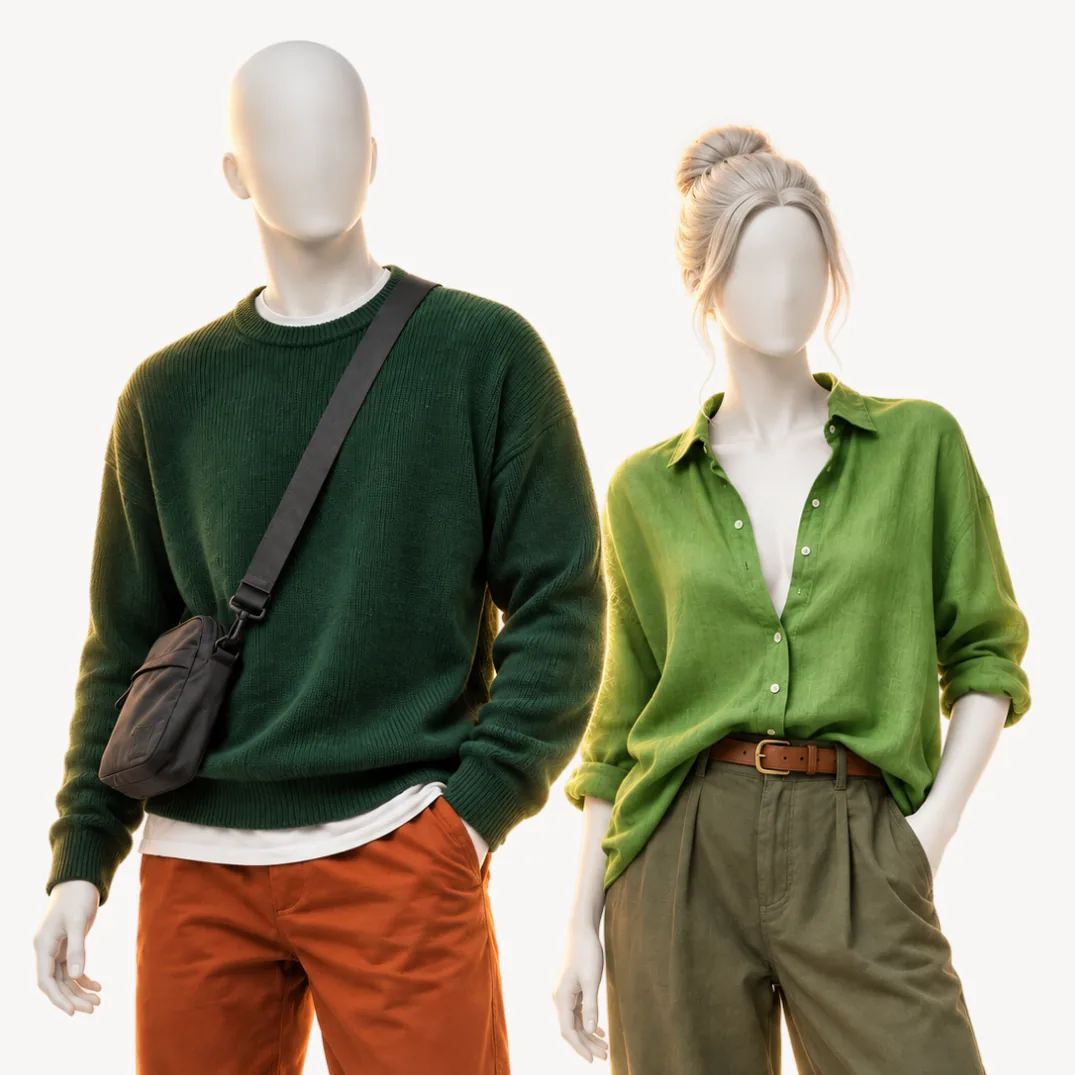 Color seasonTrue Springfully warm and clear
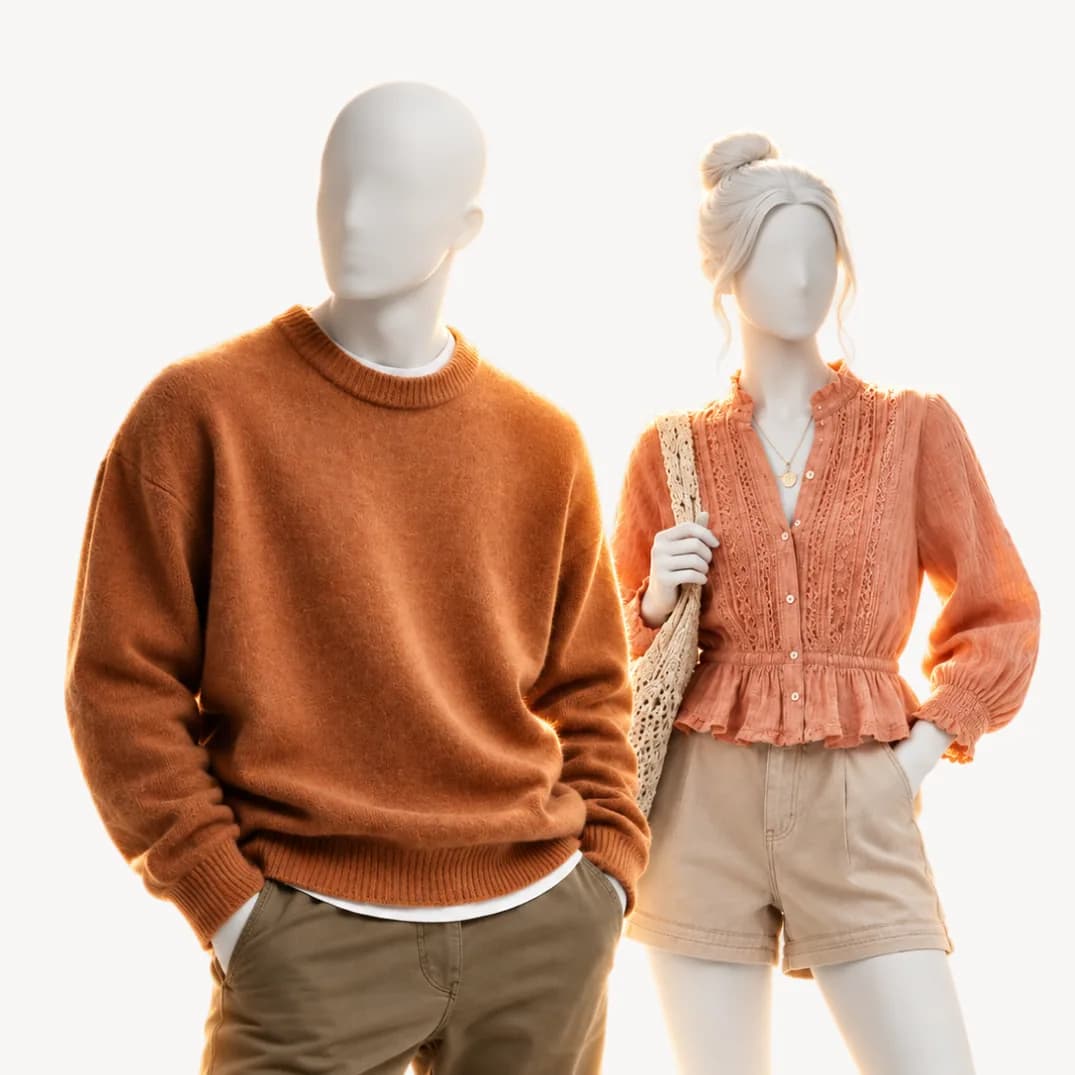 Color seasonSoft Autumnwarm and muted with low contrast
 Color seasonTrue Autumnfully warm and rich
 Color seasonDark Autumnwarm and deep with high contrast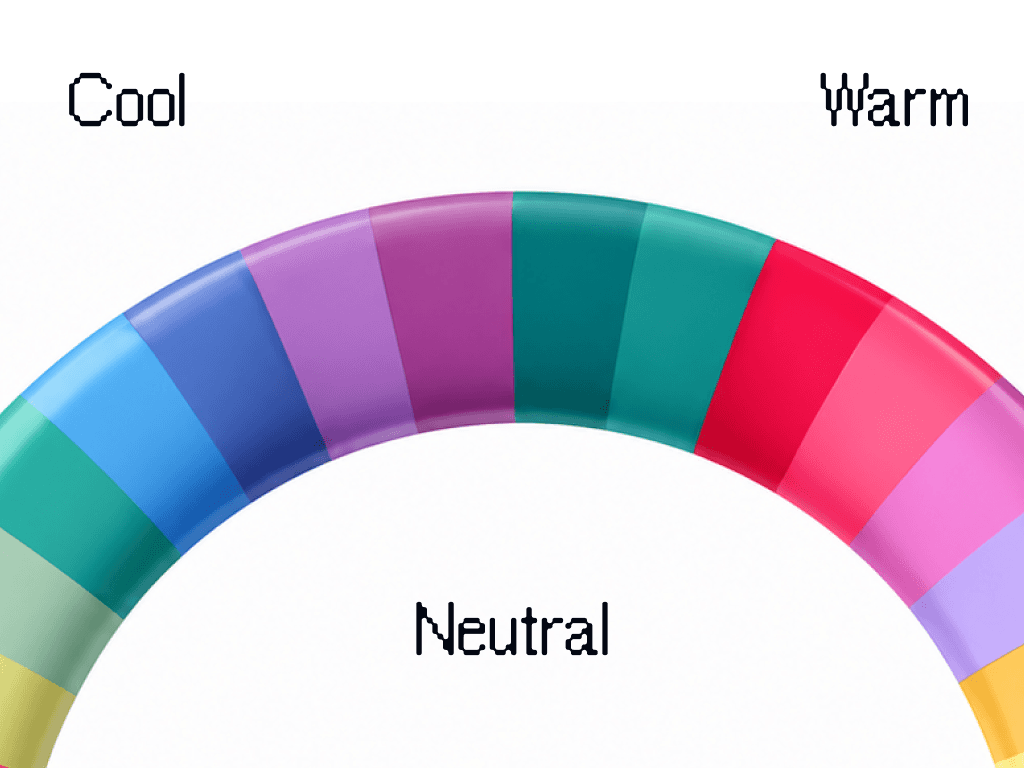
Seasons · 9 min
Find your undertone at home (warm, cool, or neutral)
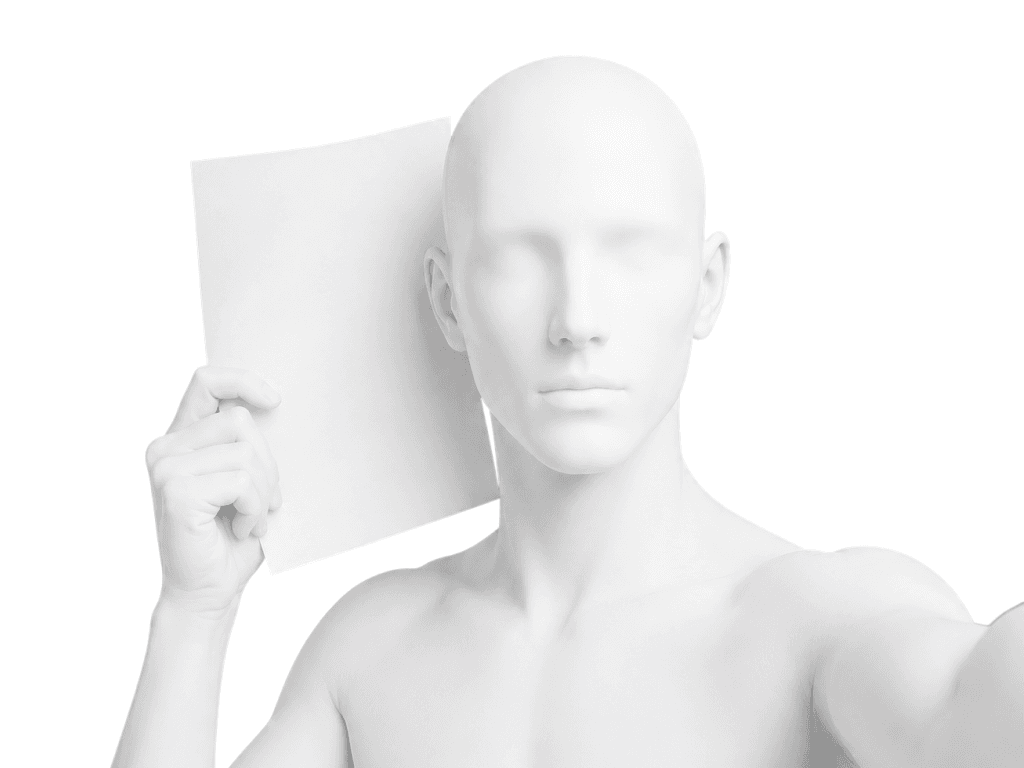
Three daylight tests to find your undertone at home: wrist veins, gold vs silver, white paper. Plus how to read a neutral or olive result.
Seasons · 12 min
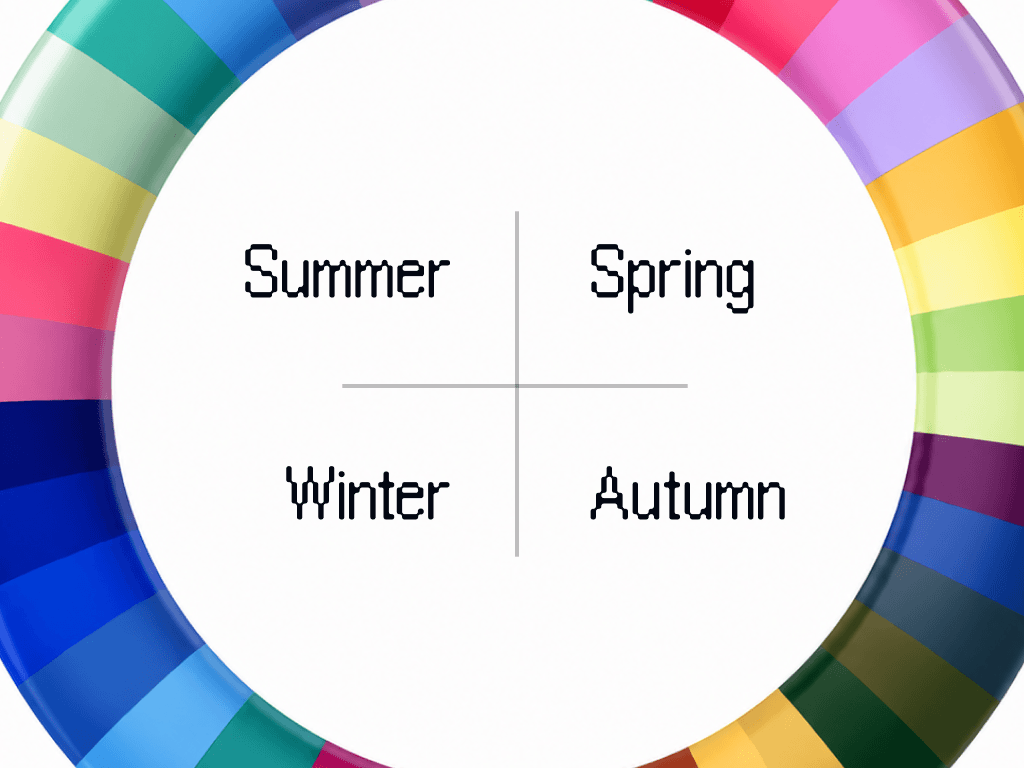
Seasonal color analysis, explained
What seasonal color analysis measures, how undertone, value and chroma name the 12 seasons, and how to get a rough read on yourself at home.
Method · 8 min
How to take photos for an accurate color analysis
The light, the angles, and the white paper trick. How to take five photos that give a color analysis something real to work with.
- All 50 colors
Which side of Terracotta are you on?
A short questionnaire and five photos. Your key arrives by email, usually within 10 minutes.