One of the 50 colors the analysis judges
Olive, season by season.
Olive is a Wear for Soft Autumn, True Autumn and Deep Autumn. It is a Depends for Light Spring and Light Summer and a Skip for True Spring, Bright Spring, True Summer, Soft Summer, Deep Winter, True Winter and Bright Winter.
- Undertone
- Warm undertone
- Depth
- Medium depth
- Clarity
- Muted
Also sold as army green, military green
Last updated
The color
What Olive is, and why it works or fails.
Olive is green with a lot of yellow and some brown in it, the color of the unripe fruit and of army surplus.
Its undertone, the warm or cool cast that sits under a color, is warm. In depth it falls in the middle, between pale sage and dark forest green, and its clarity is muted, meaning grayed and soft. In cotton twill and canvas it reads practical; in wool or suede it looks richer and closer to brown.
Olive puts yellow and brown next to the skin. On a warm coloring, where skin reads golden or peachy, that yellow repeats what is already in the face and the complexion looks even. Cool, pink-toned skin has nothing for the yellow to match, and the face takes on a greenish, tired cast. Clarity, how clean or grayed a color is, decides the rest. The three Autumns all carry some softness, so a muted green sits at their level. True Spring and Bright Spring are warm enough, but their clear, bright coloring makes olive look faded, as if it had been through the wash too often. Light Spring and Light Summer are light and low in contrast: at the collar olive outweighs them, below the waist it reads as a neutral.
How to wear it
Where each season puts Olive.
The verdict the analysis gives Olive for each season, where it goes, and the reason.
- Soft AutumnOlive matches Soft Autumn reading for reading, warm and muted at medium depth, so it works as a shirt, a jacket or a scarf at the neck.
- True AutumnTrue Autumn's rich warmth carries olive easily at the collar, and an olive field jacket over a rust or mustard knit is a natural combination for it.
- Deep AutumnDeep Autumn's strong contrast could take a darker green, yet olive holds up at the face too, especially with chocolate or wine beside it to deepen the outfit.
- Light SpringBelow the waistOlive shares Light Spring's warmth, but its depth and grayed surface weigh down light, low-contrast coloring, so wear it below the waist in linen trousers under a soft navy top.
- Light SummerBelow the waistLight Summer is cool, so olive's yellow cast belongs away from the face, as olive trousers or a skirt below the waist, with lavender on top.
- True SpringTrue Spring's clear, saturated warmth makes olive look faded beside the face; coral gives the clean warm color this coloring answers to.
- Bright SpringBright Spring needs vivid color to meet its high contrast, and olive's muddy green flattens it; emerald gives a green with the clarity the face can match.
- True SummerOlive's yellow sits against the pink in True Summer skin and makes it look sallow; soft navy or royal blue carries the same medium depth in a cool key.
- Soft SummerSoft Summer shares olive's muted surface, but its undertone is cool, so the green reads khaki and tired near the face; sage is the soft green that suits it.
- Deep WinterDeep Winter has the depth for olive but a cool undertone, and the yellow in the green drains the face; emerald or charcoal gives the dark, cool anchor it wants.
- True WinterTrue Winter's clean, cool coloring makes olive look drab and yellowish; for a green at the face emerald matches the clarity, and charcoal covers the neutral role.
- Bright WinterOlive's warm, dusty green has none of the snap a Bright Winter needs, and the high contrast shows that up; pure white or emerald suits it at the collar.
Don't know your season yet? Narrow it down in a minute.
Pairings
Worn by the same seasons.
The colors the seasons that wear Olive also wear at the face: the ones most likely to share a wardrobe with it.
Olive
Olive: common questions
Olive is warm. It is green with a strong share of yellow and some brown, which gives it the earthy, khaki look. On golden or peachy skin that yellow repeats the skin's own warmth and the face looks even; on pink or blue-toned skin it casts a greenish, tired shadow at the face.
Olive works with the other warm, muted colors: rust, terracotta, mustard and chocolate. Ivory is its light partner, softer beside it than pure white. Camel and tan leather make olive easy to wear as a neutral. For more contrast, wine next to olive suits Deep Autumn, who wears both at the face.
Of the six cool seasons, Light Summer wears it, and below the waist: olive trousers or a skirt, with lavender or soft navy on top. The other five skip it, because the yellow in the green makes cool skin look sallow. Soft Summer gets its green from sage, and the Winters and True Summer from emerald.
For warm colorings it works like one. Olive chinos, a field jacket or a canvas bag sit under almost anything an Autumn wears, the way navy or gray does in a cool wardrobe. For Light Spring and Light Summer it is a neutral for the lower half, worn as trousers or a skirt.
Another question about the method or your result? Write to us
The 50 colors
Your own 50 verdicts.
A season page shows how a season treats Olive. Your analysis places you in one season from your answers and five photos, and gives every one of the 50 colors its verdict and its reason, for you.
Muted and warm, it never fights the depth in your skin.
Seasons that wear Olive, and how to find yours
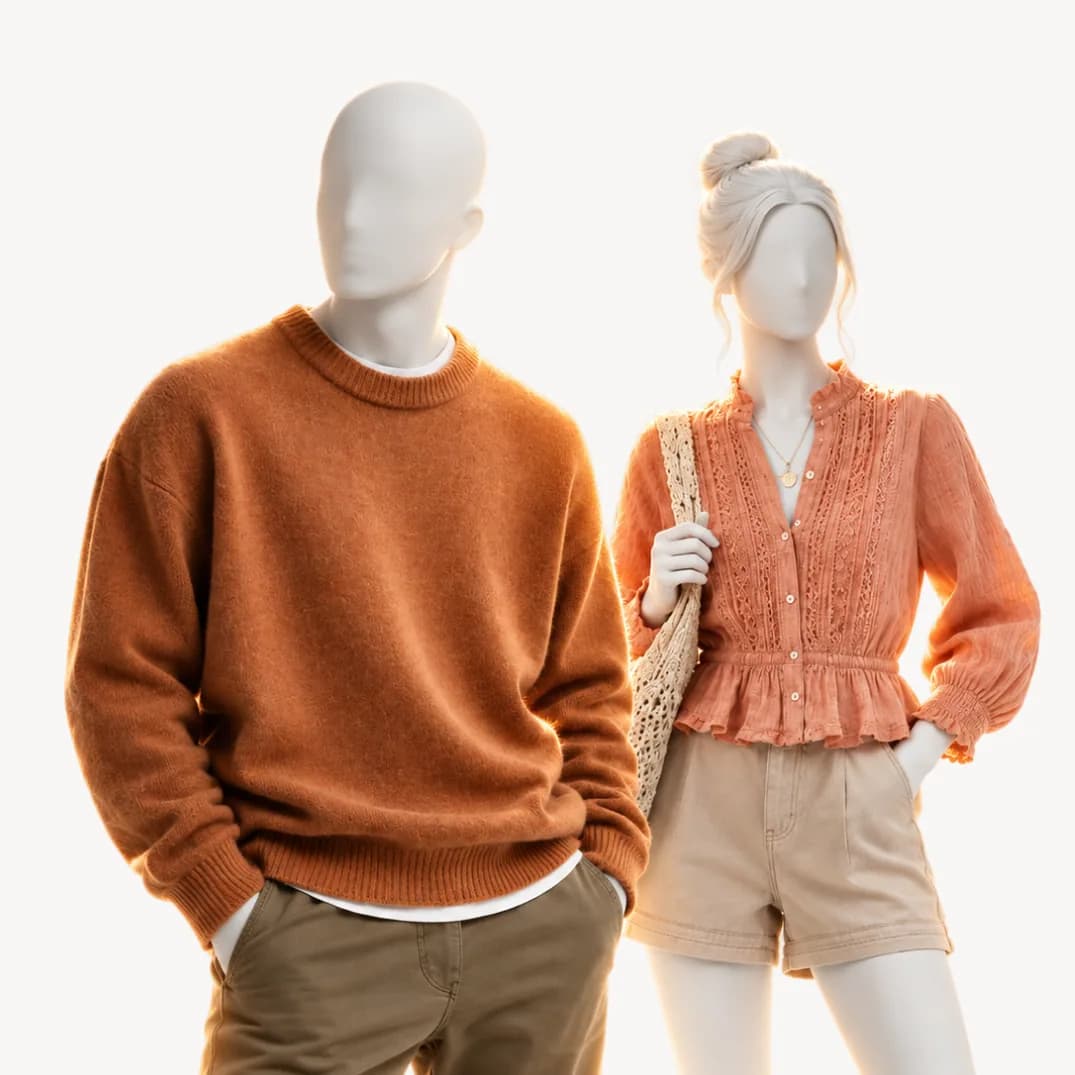 Color seasonSoft Autumnwarm and muted with low contrast
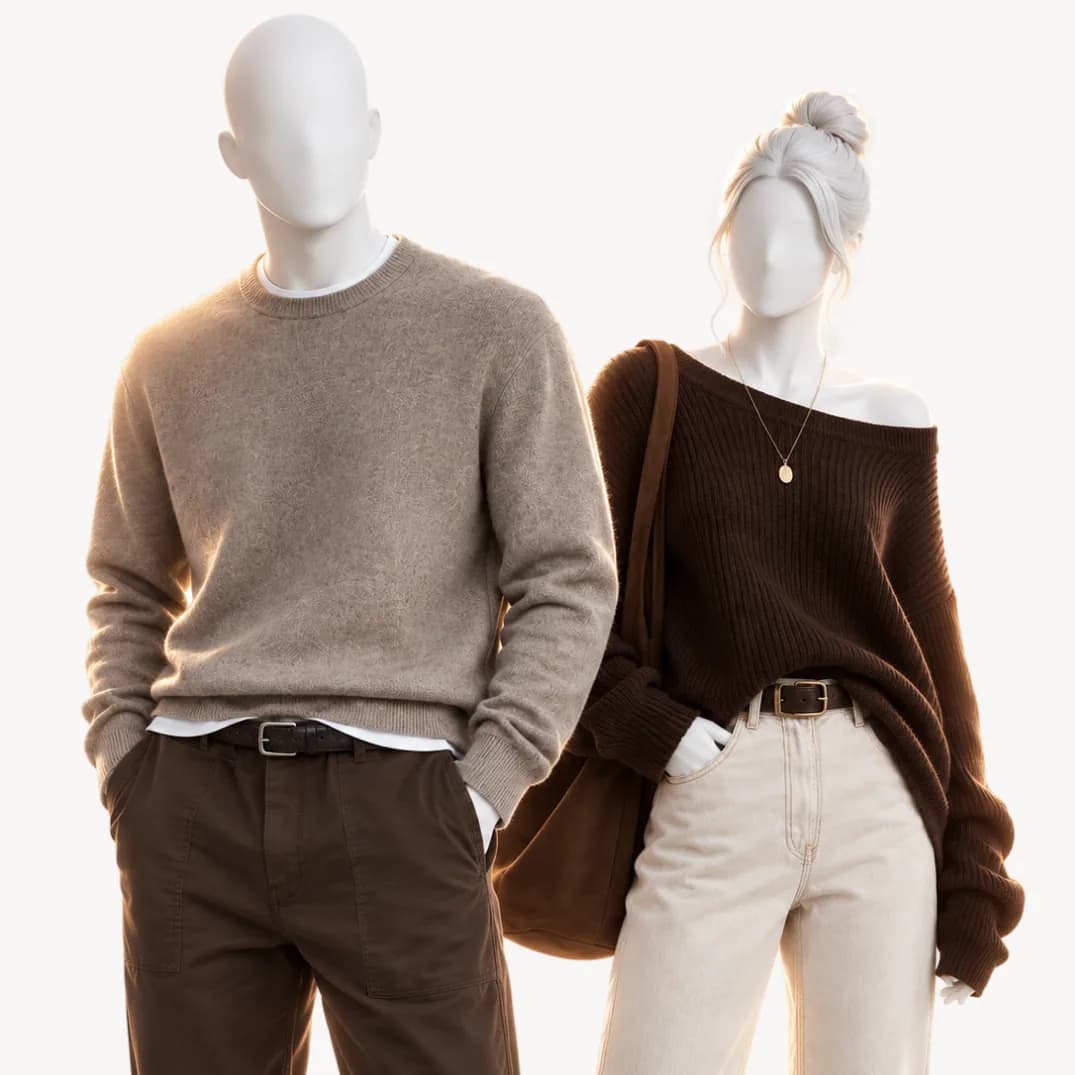 Color seasonTrue Autumnfully warm and rich
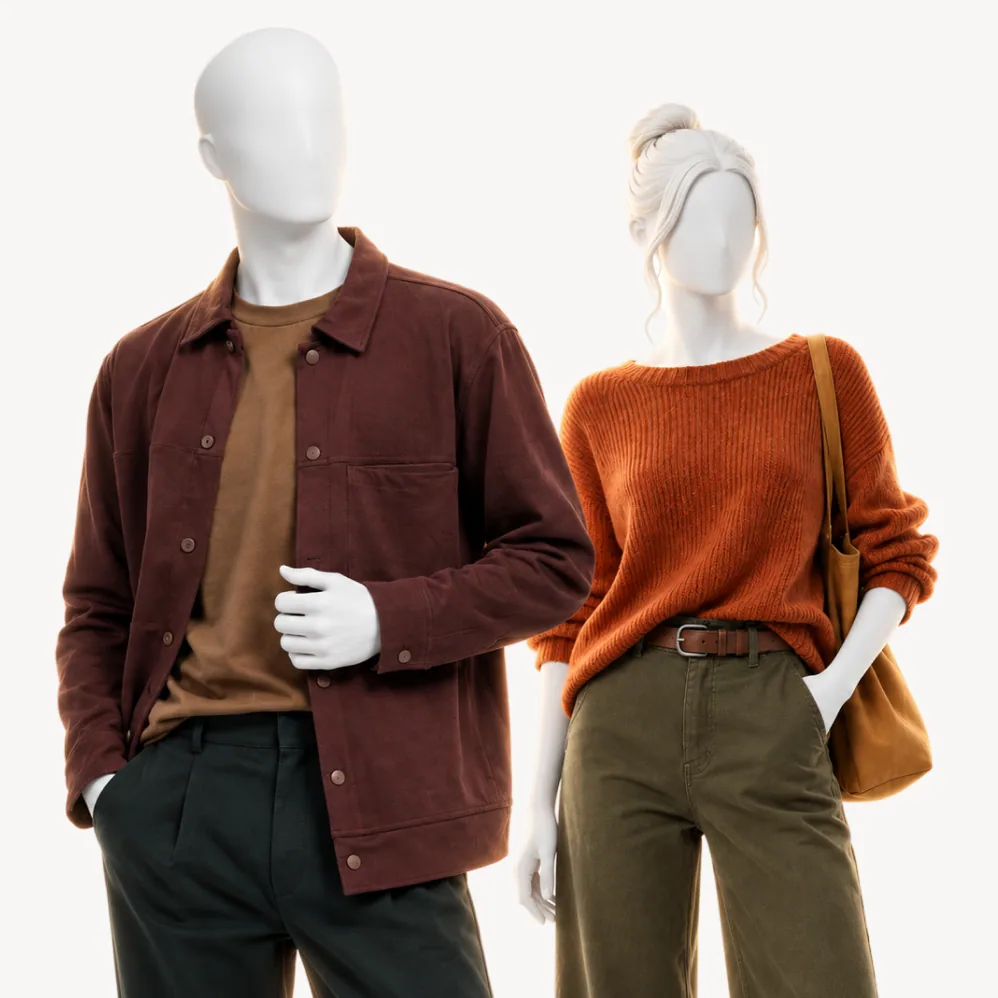 Color seasonDeep Autumnwarm and deep with high contrast
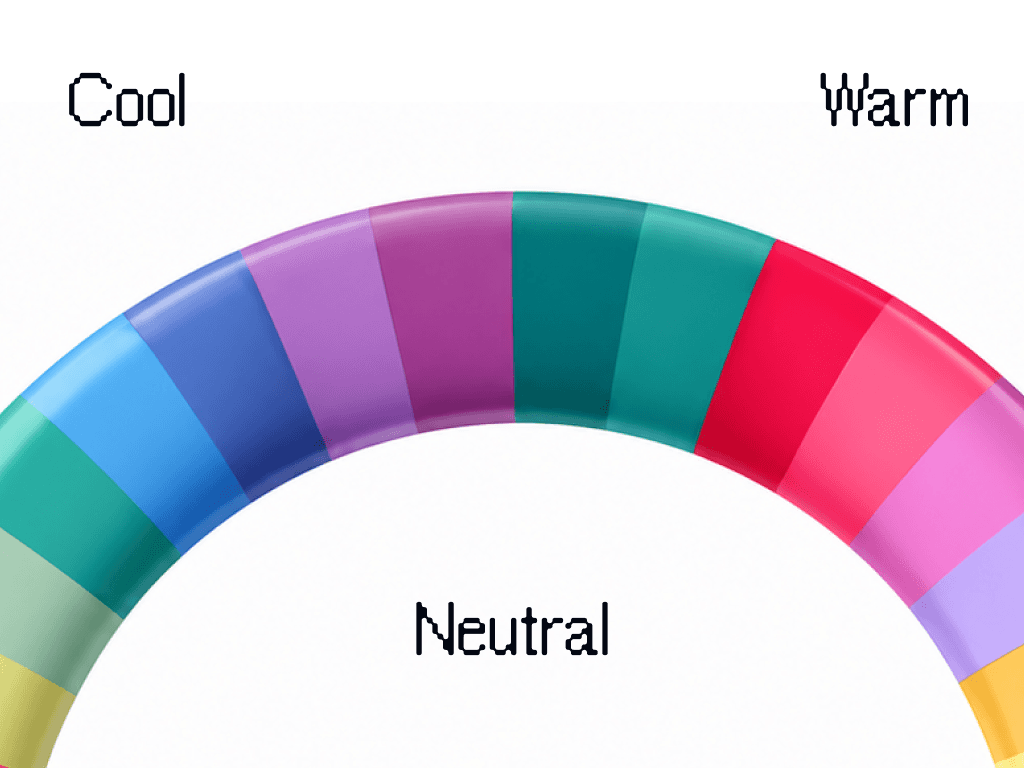
Seasons · 9 min
Find your undertone at home (warm, cool, or neutral)
Three daylight tests to find your undertone at home: wrist veins, gold vs silver, white paper. Plus how to read a neutral or olive result.
Method · 8 min
How to take photos for an accurate color analysis
The light, the angles, and the white paper trick. How to take five photos that give a color analysis something real to work with.
Men · 11 min
The best shirt colors for your skin tone
Ivory, soft white, or pure white? Which blue is yours? The shirt colors for each of the 12 color seasons, and the three shirts for a man's week.
- All 50 colors
Which side of Olive are you on?
A short questionnaire and five photos. Your key arrives by email, usually within 10 minutes.