One of the 50 colors the analysis judges
Mustard, season by season.
Mustard is a Wear for Soft Autumn, True Autumn and Deep Autumn. It is a Depends for Light Spring and Light Summer and a Skip for True Spring, Bright Spring, True Summer, Soft Summer, Deep Winter, True Winter and Bright Winter.
- Undertone
- Warm undertone
- Depth
- Medium depth
- Clarity
- Muted
Also sold as ochre, golden yellow, turmeric
Last updated
The color
What Mustard is, and why it works or fails.
Mustard is yellow taken down with brown and a touch of green, which gives it the dull gold of a jar of Dijon.
It sits at medium depth, darker than lemon and lighter than bronze. The yellow cast is the whole story: in daylight it reads golden, under office light it can drift toward green. On cloth it looks best in textured fabrics such as corduroy, wool knits and suede, where the surface breaks the color up and softens it.
Yellow is the hardest hue to wear near the face, because skin already contains some. Mustard's undertone, the warm or cool cast a color carries, is strongly golden, so it agrees with skin that has gold in it and clashes with skin that has pink or blue in it: on a cool face the yellow reflects up and reads as sallow. Its clarity, how clean or dusty a color is, sits low, so it needs a face that is muted too. Its depth, how light or dark it is, is medium, which lets it work from Soft Autumn through Deep Autumn. Next to a clear spring face, the brown in mustard shows and the color looks muddy.
How to wear it
Where each season puts Mustard.
The verdict the analysis gives Mustard for each season, where it goes, and the reason.
- Soft AutumnSoft Autumn is warm and muted like mustard itself, so a mustard knit sits at the collar as easily as camel and blends with the face.
- True AutumnTrue Autumn is fully warm and rich, and mustard's gold picks up the warmth in the eyes and hair; wear it as a coat, a dress or a shirt.
- Deep AutumnDeep Autumn's depth and contrast give mustard a frame, so it reads as bright gold against dark hair; pair a mustard sweater with chocolate or forest green.
- Light SpringBelow the waistLight Spring's warmth agrees with mustard, but its light, clear coloring makes the dusty yellow heavy at the face; mustard cords or suede loafers work fine.
- Light SummerBelow the waistOn a Light Summer the gold in mustard turns cool skin sallow, so it stays low: a mustard skirt or chinos under a soft blue shirt.
- True SpringTrue Spring is warm enough for yellow and too clear for mustard's brown dust; a clean golden yellow or daffodil gives the same sunny note at the collar.
- Bright SpringMustard's brown cast dulls a Bright Spring's vivid, high contrast face; a clear sunflower yellow brings the color back to life near the skin.
- True SummerTrue Summer is fully cool, and mustard's yellow cast reflects onto the skin as a greenish shadow; powder blue or a soft cool lemon sits better there.
- Soft SummerSoft Summer has the quietness for mustard and the wrong temperature, so the gold reads as tired on cool skin; sage or soft teal gives the same calm.
- Deep WinterDeep Winter has the depth for mustard and none of the warmth, so the yellow turns sour beside cool skin; emerald or ruby carries the same weight.
- True WinterMustard is warm and dusty where True Winter is cool and clear, so it misses on both readings; an icy yellow is the winter answer to it.
- Bright WinterAgainst Bright Winter's vivid, high contrast coloring, mustard looks muddy and too warm; a saturated cobalt or a clear lemon gives the same impact.
Don't know your season yet? Narrow it down in a minute.
Pairings
Worn by the same seasons.
The colors the seasons that wear Mustard also wear at the face: the ones most likely to share a wardrobe with it.
Mustard
Mustard: common questions
Mustard is warm. It is yellow deepened with brown, and both carry a golden undertone. That makes it one of the clearest warm signals in a wardrobe: on warm, muted coloring it looks golden and easy, and on cool coloring the same yellow reflects onto the skin and reads as sallow.
Mustard sits well with the other earth colors: rust, terracotta, olive, chocolate and forest green. Ivory and cream lighten it without fighting it. Navy and denim blue give it a crisp, graphic contrast. Bright white tends to make mustard look dirty by comparison, so the softer whites are the safer partner.
Usually the undertone or the clarity disagrees with yours. Mustard is warm and muted, and its yellow reflects up onto the face. If your coloring is cool, that reflection reads as sallow; if it is clear and bright, the brown in the yellow looks muddy next to you. Moving it below the waist helps some colorings, others do better with a cleaner yellow.
Close enough that shops use the names for the same garments. Ochre leans slightly browner and earthier, the color of the natural clay pigment; mustard tends to carry more yellow and a hint of green. Both are warm, muted and medium in depth, so they suit the same seasons: Soft Autumn, True Autumn and Deep Autumn.
Another question about the method or your result? Write to us
The 50 colors
Your own 50 verdicts.
A season page shows how a season treats Mustard. Your analysis places you in one season from your answers and five photos, and gives every one of the 50 colors its verdict and its reason, for you.
Its warm, dulled tone sits level with your own saturation.
Seasons that wear Mustard, and how to find yours
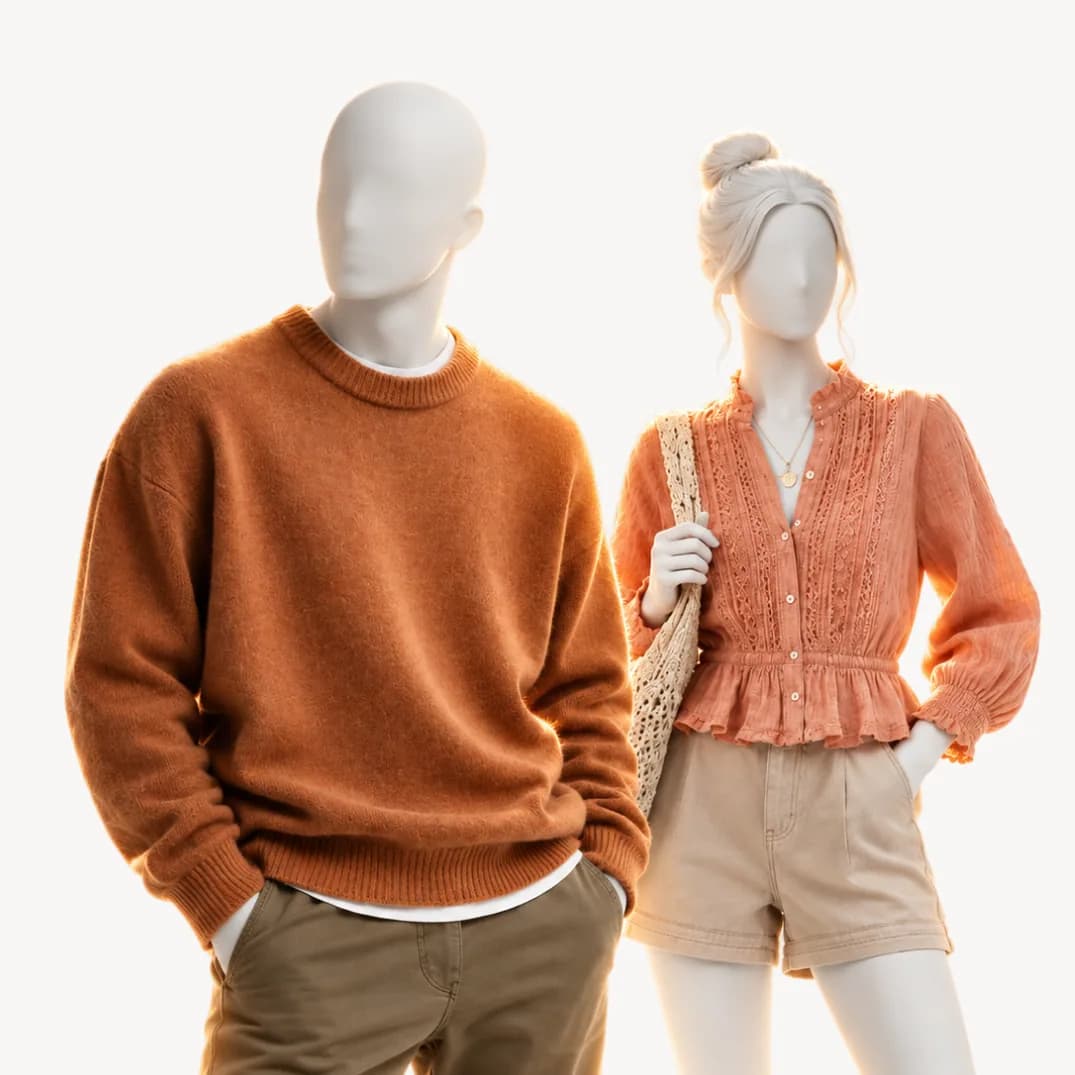 Color seasonSoft Autumnwarm and muted with low contrast
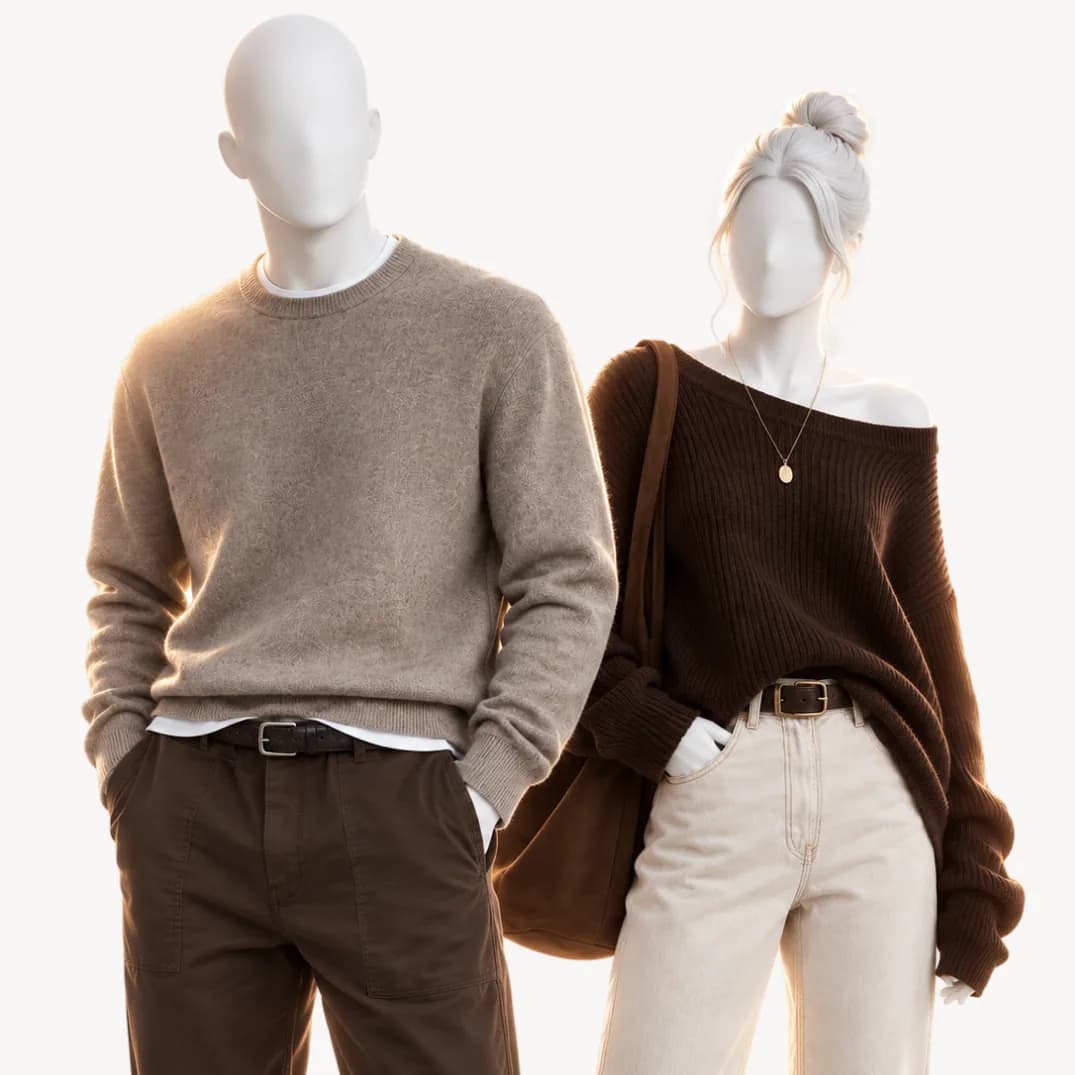 Color seasonTrue Autumnfully warm and rich
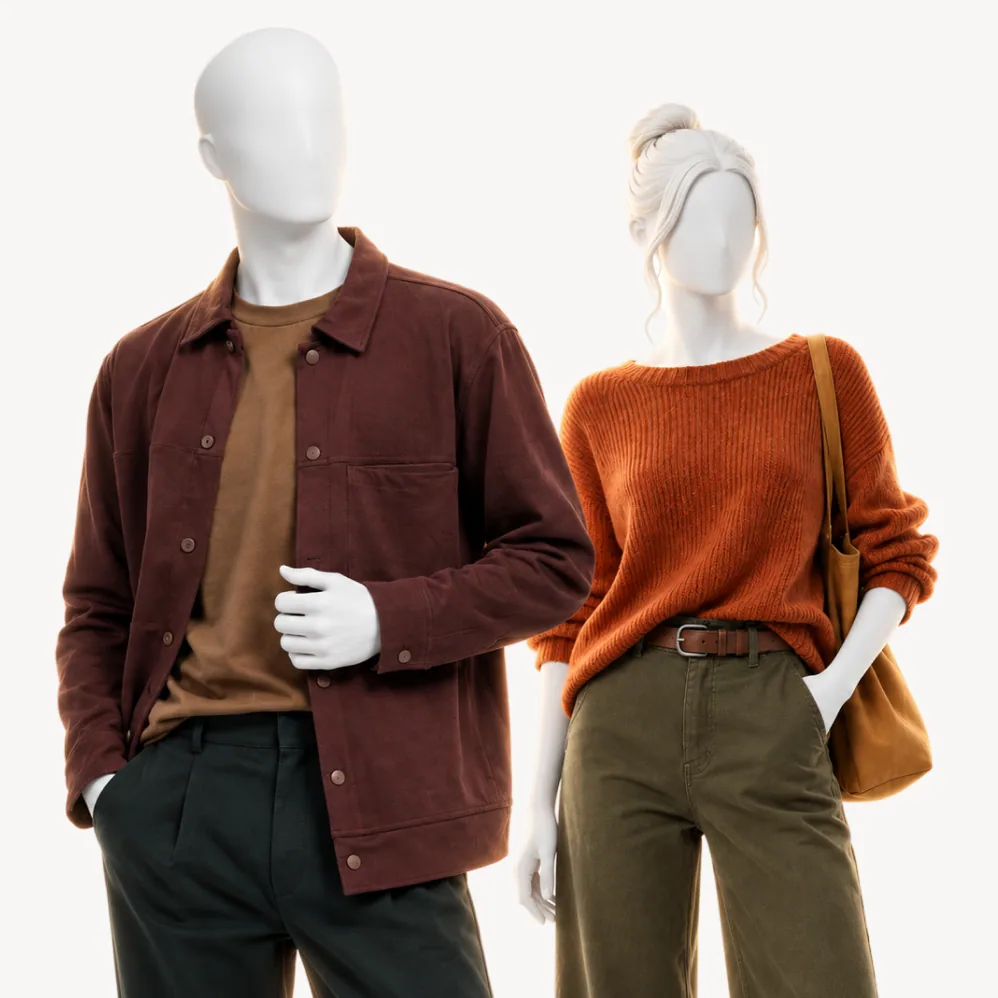 Color seasonDeep Autumnwarm and deep with high contrast
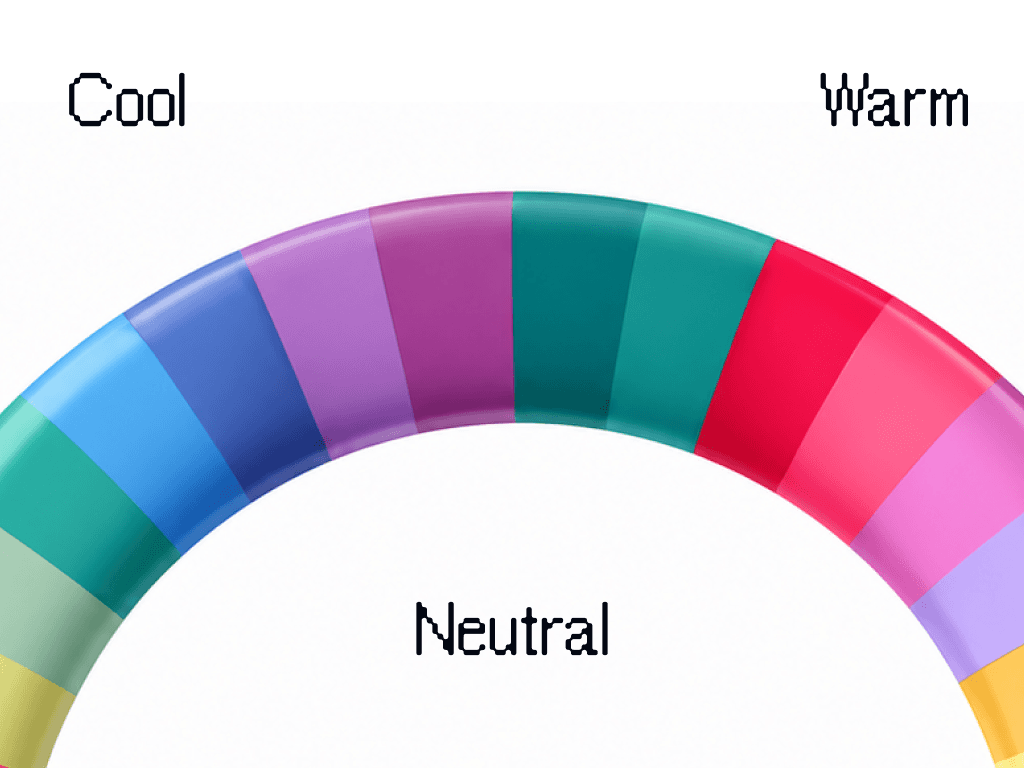
Seasons · 9 min
Find your undertone at home (warm, cool, or neutral)
Three daylight tests to find your undertone at home: wrist veins, gold vs silver, white paper. Plus how to read a neutral or olive result.

Method · 8 min
How to take photos for an accurate color analysis
The light, the angles, and the white paper trick. How to take five photos that give a color analysis something real to work with.
Men · 11 min
The best shirt colors for your skin tone
Ivory, soft white, or pure white? Which blue is yours? The shirt colors for each of the 12 color seasons, and the three shirts for a man's week.
- All 50 colors
Which side of Mustard are you on?
A short questionnaire and five photos. Your key arrives by email, usually within 10 minutes.