One of the 50 colors the analysis judges
Wine, season by season.
Wine is a Wear for Deep Autumn and Deep Winter. It is a Depends for Light Summer, True Summer, Soft Summer, Soft Autumn and Bright Winter and a Skip for Light Spring, True Spring, Bright Spring, True Autumn and True Winter.
- Undertone
- Cool undertone
- Depth
- Dark
- Clarity
- Muted
Also sold as burgundy, oxblood, bordeaux
Last updated
The color
What Wine is, and why it works or fails.
Wine sits at the dark end of red, pulled toward purple and dulled with a little brown and gray, like a glass of red held up to a window.
Its undertone, the warm or cool cast under a color, leans cool. Its depth, meaning how light or dark it is, is dark, and its clarity, how clean or grayed the pigment looks, is muted. On wool and velvet it reads rich and quiet; on silk the sheen pushes it toward plum.
Depth decides most of this color. Deep Autumn and Deep Winter have dark hair or eyes and strong contrast against the skin, so a dark red sits in proportion and the face stays the brightest thing in view. Deep Autumn is warm, and the brown in wine bridges that gap. On a light or low-contrast coloring the same red is heavier than anything in the face, and the eye goes to the shirt. Undertone settles the warm seasons: the purple lean makes golden skin on True Autumn and the Springs look sallow. Clarity settles True Winter, whose clean coloring makes the grayed red look dusty. Below the waist the face drops out of the comparison, which is why five seasons keep wine there.
How to wear it
Where each season puts Wine.
The verdict the analysis gives Wine for each season, where it goes, and the reason.
- Deep AutumnDeep Autumn has the depth and contrast to hold wine at the face, and the red's brown meets warm skin halfway; try a wine shirt under a camel coat.
- Deep WinterWine sits naturally on a Deep Winter's dark hair and cool skin, so a wine sweater or coat can go up to the jaw, with charcoal or black around it.
- Light SummerBelow the waistLight Summer shares wine's cool undertone, while its pale hair and eyes sit far lighter, so the red belongs below the waist, in cords or a skirt under lavender.
- True SummerBelow the waistTrue Summer matches wine on coolness and sits lighter on depth, so the red goes below the waist as chinos or a pleated skirt, with royal blue up top.
- Soft SummerBelow the waistSoft Summer is cool and grayed like wine, yet the color is darker than the face can hold, so it goes below the waist as wool trousers or ankle boots.
- Soft AutumnBelow the waistSoft Autumn shares wine's dusky softness but differs on undertone and depth, so it goes below the waist, in a corduroy skirt or suede shoes, with sage up top.
- Bright WinterBelow the waistBright Winter's vivid contrast makes muted wine look dull near the face, so it works below the waist, as trousers or a leather skirt under a pure white top.
- Light SpringWine is darker and heavier than anything in a Light Spring's light, warm coloring, so it takes over the face; coral or camel near the collar keeps the glow.
- True SpringThe purple lean of wine turns True Spring's fully warm, clear skin sallow at the face; terracotta gives a red-brown with the warmth intact.
- Bright SpringBright Spring has the contrast for a dark color, yet wine's cool, grayed red dulls vivid, warm skin; coral or emerald holds the energy this coloring has.
- True AutumnTrue Autumn's rich, golden warmth makes the purple in wine look chilly against the skin; rust is the red that matches it, at the collar or anywhere else.
- True WinterTrue Winter has the coolness for wine, but its coloring is clear, and the gray in the red looks dusty against it; royal blue or emerald gives the clarity back.
Don't know your season yet? Narrow it down in a minute.
Pairings
Worn by the same seasons.
The colors the seasons that wear Wine also wear at the face: the ones most likely to share a wardrobe with it.
Wine
Wine: common questions
Wine leans cool. It is a dark red pushed toward purple, with a little brown and gray that mute it. The brown is why Deep Autumn, a warm season, can still wear it at the face: the depth matches, and the brown softens the cool lean. On lighter, warm colorings the purple shows and the skin looks sallow.
Other dark, muted colors share its weight: forest green, midnight blue, olive and mustard. Plum next to wine makes a tonal outfit. Among neutrals, charcoal and navy keep the look cool and camel warms it. Pure white beside wine gives a strong contrast, which suits Deep Winter, who wears both at the face.
A Light Summer can wear wine, kept to the lower half of an outfit. Light Summer shares the cool undertone, but wine is far darker than light hair, light eyes and soft contrast, so at the collar it outweighs the face. Wine trousers, a skirt or loafers work well, with soft navy or lavender on top.
Close enough to shop by. Oxblood is the name leather goods use for a dark, muted red, usually with a little more brown in it than wine. Both behave the same way against a face: they need a dark, high-contrast coloring to sit at the collar, and everyone else wears them lower down.
Another question about the method or your result? Write to us
The 50 colors
Your own 50 verdicts.
A season page shows how a season treats Wine. Your analysis places you in one season from your answers and five photos, and gives every one of the 50 colors its verdict and its reason, for you.
Lead with it: knit or coat.
Seasons that wear Wine, and how to find yours
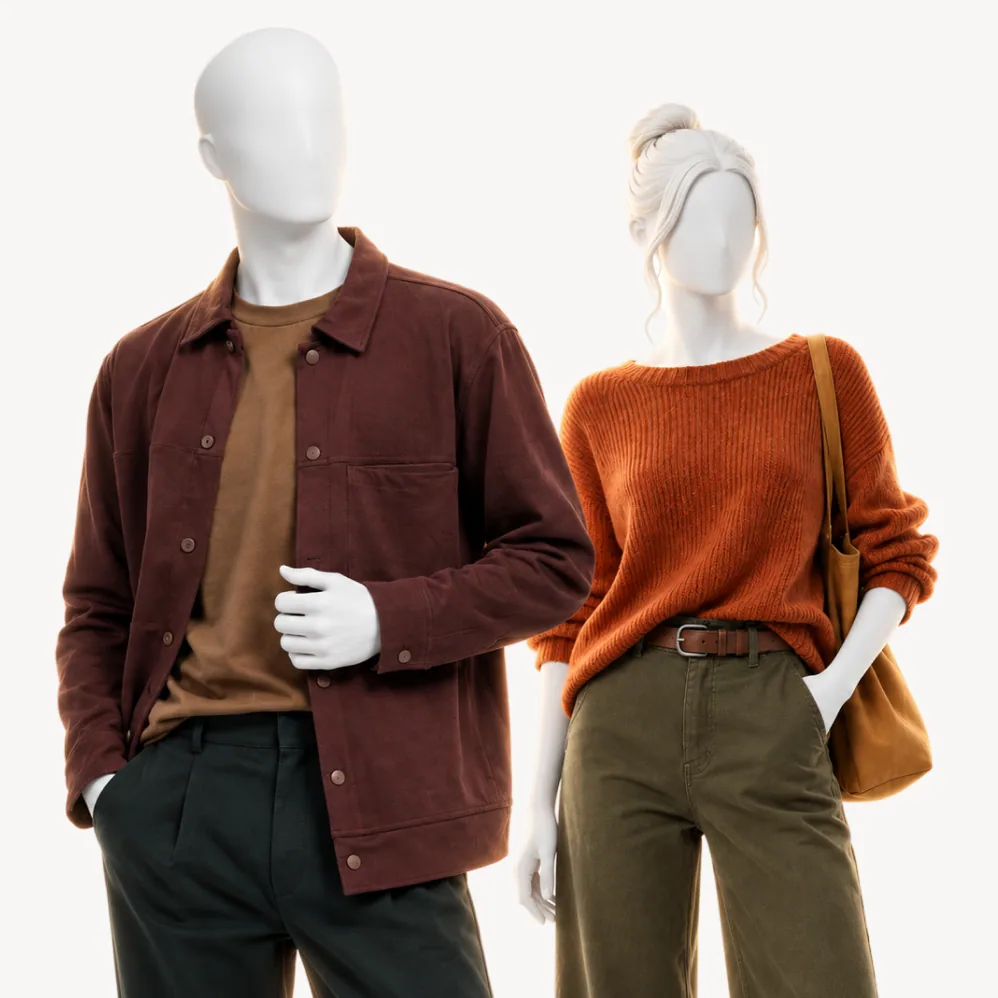 Color seasonDeep Autumnwarm and deep with high contrast
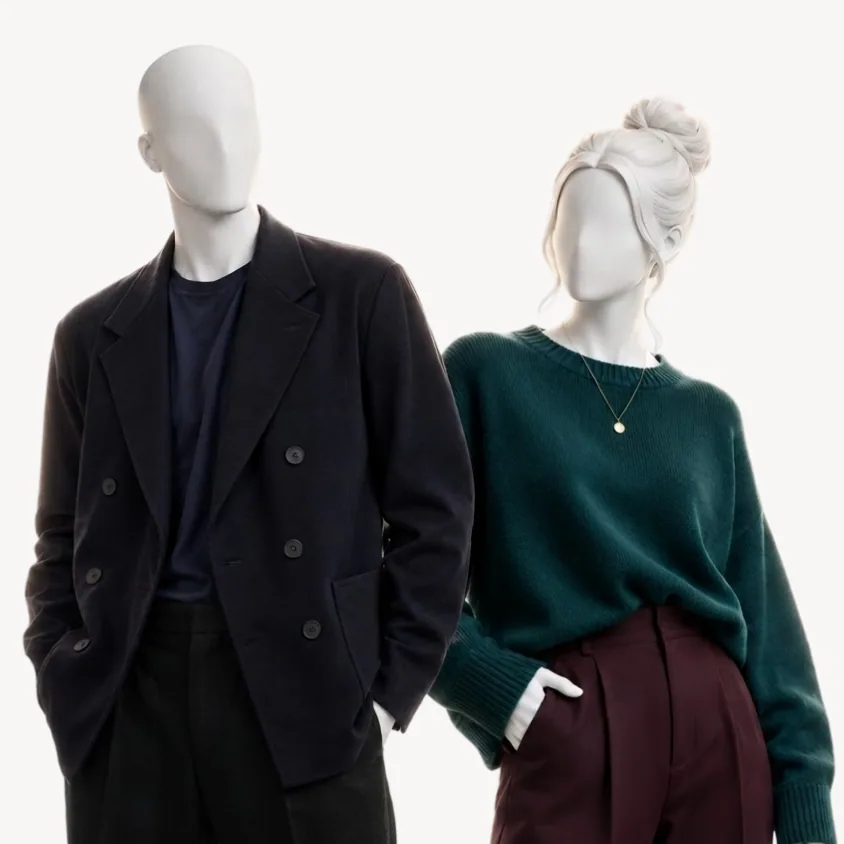 Color seasonDeep Wintercool and deep with high contrast
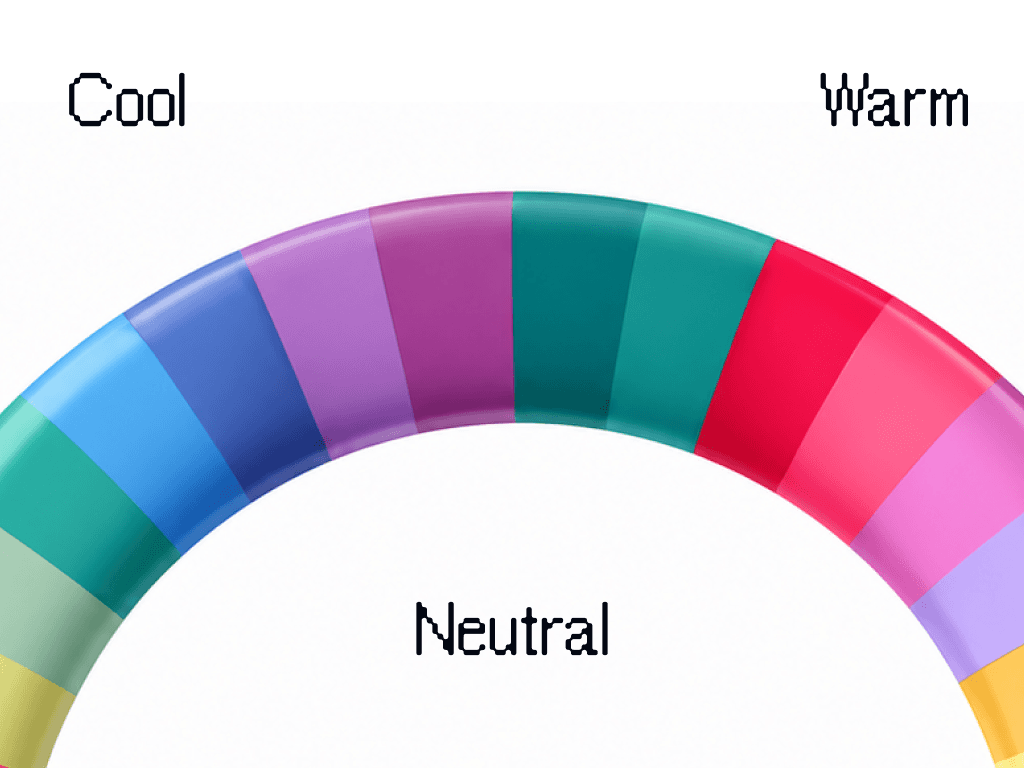
Seasons · 9 min
Find your undertone at home (warm, cool, or neutral)
Three daylight tests to find your undertone at home: wrist veins, gold vs silver, white paper. Plus how to read a neutral or olive result.
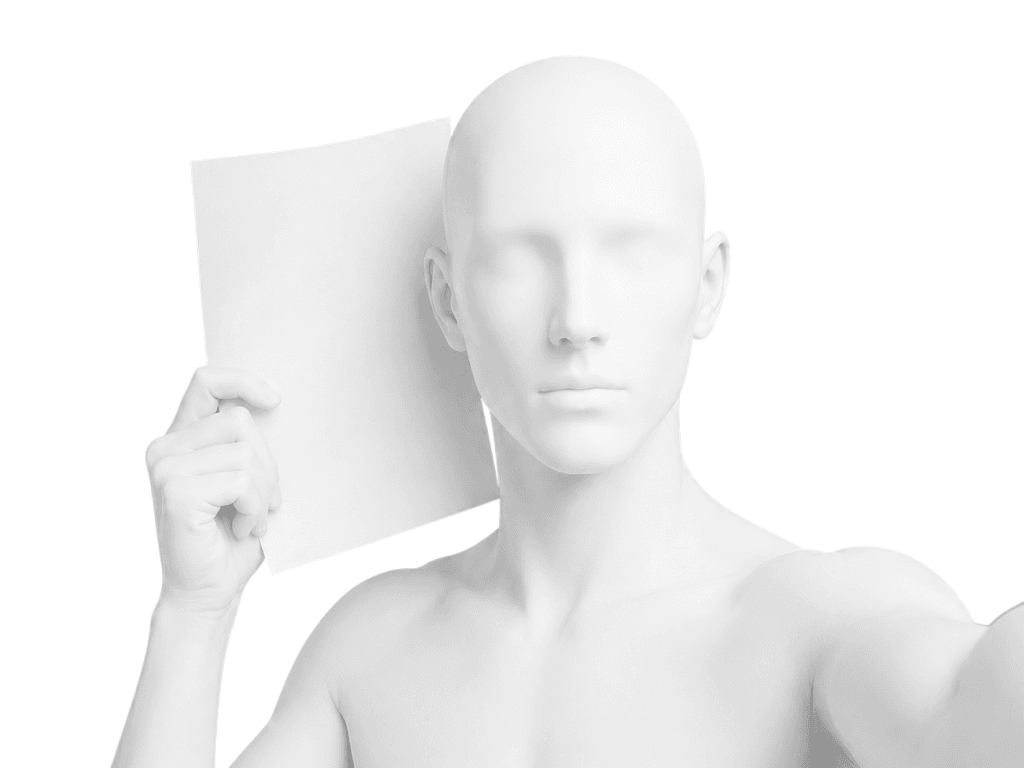
Method · 8 min
How to take photos for an accurate color analysis
The light, the angles, and the white paper trick. How to take five photos that give a color analysis something real to work with.
Men · 11 min
The best shirt colors for your skin tone
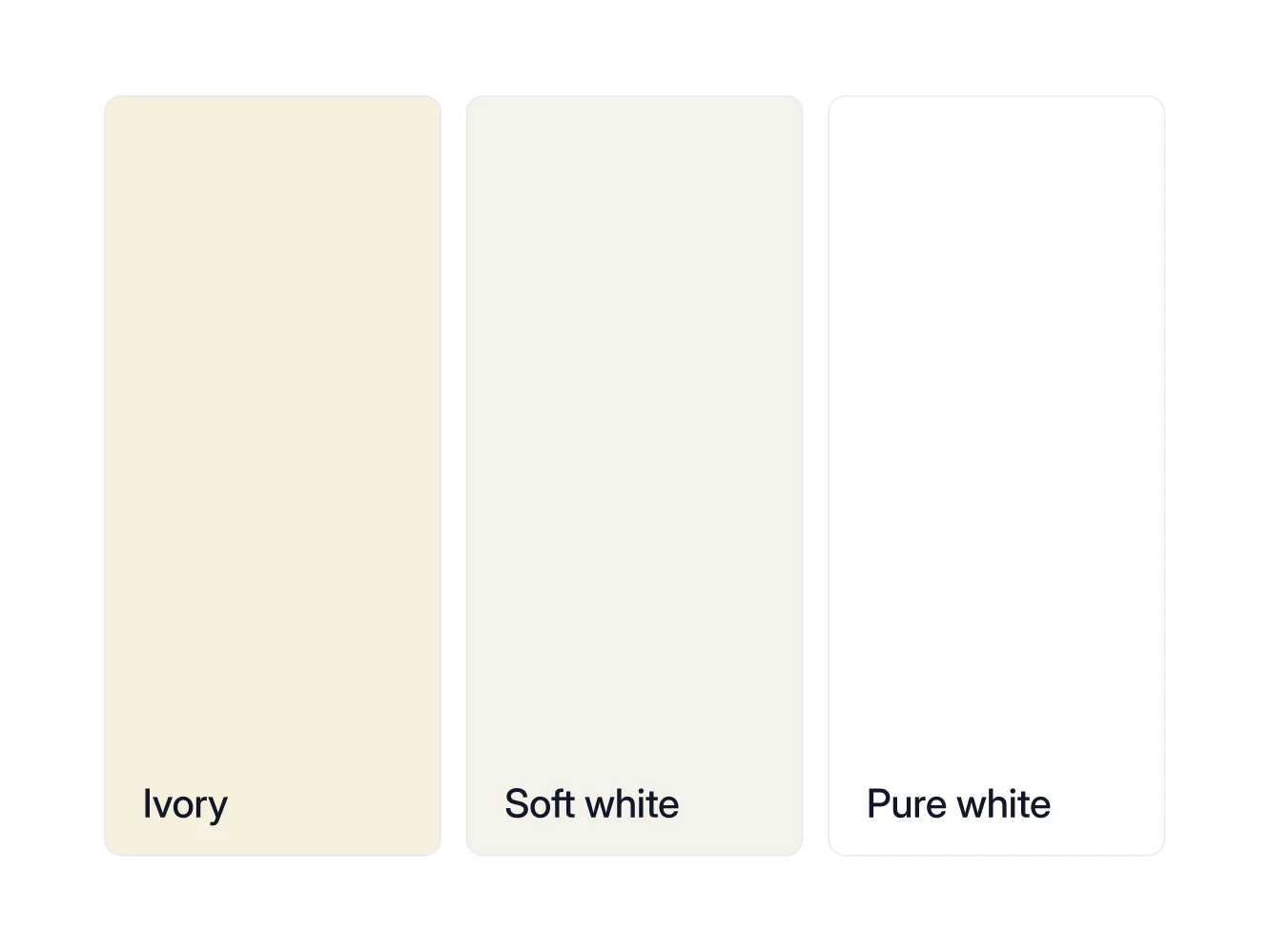
Ivory, soft white, or pure white? Which blue is yours? The shirt colors for each of the 12 color seasons, and the three shirts for a man's week.
- All 50 colors
Which side of Wine are you on?
A short questionnaire and five photos. Your key arrives by email, usually within 10 minutes.