One of the 50 colors the analysis judges
Forest green, season by season.
Forest green is a Wear for True Autumn, Deep Autumn and Deep Winter. It is a Skip for Light Spring, True Spring, Bright Spring, Light Summer, True Summer, Soft Summer, Soft Autumn, True Winter and Bright Winter.
- Undertone
- Neutral undertone
- Depth
- Dark
- Clarity
- Muted
Also sold as hunter green, bottle green, pine green
Last updated
The color
What Forest green is, and why it works or fails.
Forest green is dark green dulled by a little gray, the color of a fir wood at dusk.
Its undertone is balanced: it holds neither the yellow of olive nor the blue of emerald strongly enough to tip one way, so it can serve a warm wardrobe or a cool one. It is the deepest green on the list, far darker than leaf green or sage. The finish is subdued rather than glossy. In tweed, corduroy and heavy wool it looks rich and settled; in velvet under evening light it can read almost black.
Because forest green leans neither warm nor cool, the usual opening question, whether the skin's base matches the color's, barely comes up. Depth carries the decision instead. A color this dark needs a face with weight of its own: deep hair, strong eyes, or a firm contrast between features and skin. Beside a light or medium coloring, the green becomes the heaviest thing in view, and the face looks pale and small above it. That is why all three Springs, all three Summers and Soft Autumn skip it, and why Bright Winter does too, vivid as it is. True Autumn and Deep Autumn have the richness to hold it, and their warmth takes the earthy hint in the green kindly. Deep Winter wears it from the cool side, since nothing in a balanced green argues with cool skin. True Winter is the one season that fails on another axis: its coloring is so clean that the gray in forest green looks dusty beside it.
How to wear it
Where each season puts Forest green.
The verdict the analysis gives Forest green for each season, where it goes, and the reason.
- True AutumnTrue Autumn's rich, fully warm coloring has the strength for a dark green, and a forest green overshirt or quilted jacket over a mustard knit looks natural on it.
- Deep AutumnDeep Autumn's dark hair and eyes meet forest green at the same depth, so it works as a coat, a knit or a dress, ideally beside rust or camel.
- Deep WinterDeep Winter wears forest green from the cool side, since the balanced undertone sits peacefully on cool skin, and a forest green shirt under a charcoal suit looks sharp.
No season.
- Light SpringLight Spring's light, delicate coloring is overwhelmed by a green this deep, and the face looks washed out above it; leaf green brings green in at a weight this coloring can carry.
- True SpringForest green is darker than True Spring's medium depth and pulls its warm, clear face down at the collar; leaf green or warm aquamarine brings a green with light in it.
- Bright SpringBright Spring is light and lively, and the deep, muted green sits on it like a shadow; emerald gives a green with Bright Spring's clarity and a lighter weight.
- Light SummerLight Summer is pale and soft, so a green this close to black outweighs the whole face; mint keeps green in the wardrobe at the lightness this coloring needs.
- True SummerTrue Summer sits at medium depth, and forest green is a full step deeper, so it reads as a dark block under the chin; emerald gives a cool green at a depth the face can match.
- Soft SummerSoft Summer's gentle, medium coloring goes gray and tired beside a green this dark; sage is the green at its own depth, and soft navy covers the role of a dark color.
- Soft AutumnSoft Autumn shares the muted surface but not the depth, so forest green looks heavy and closes the face in; olive or leaf green gives a warm green nearer its own weight.
- True WinterTrue Winter's clean, high contrast coloring makes the gray in forest green look dusty and dull beside it; emerald or royal blue gives a cool color with the clarity it needs.
- Bright WinterBright Winter is vivid at a medium depth, and this heavy, muted green weighs on the face instead of lighting it; emerald or turquoise gives a green with the brightness it answers to.
Don't know your season yet? Narrow it down in a minute.
Forest green
Forest green: common questions
Neither, really. Forest green is balanced, with just enough yellow and just enough blue to cancel out. That is why a warm season, True Autumn, and a cool one, Deep Winter, both wear it at the face, along with Deep Autumn. What it asks of a coloring is depth and strength, not a particular undertone.
For warm wardrobes: mustard, rust, camel and chocolate, which turn it into a classic autumn palette, with ivory as the light partner. For a cool wardrobe, as Deep Winter wears it: sharp red, charcoal, black and pure white. Wine works on both sides and gives the richest pairing. Pale pastels look faint next to it.
It depends on what surrounds the skin. Pale skin with dark hair and strong eyes has the contrast to carry a deep green, and that is the picture of a Deep Winter. Pale skin with light hair and soft features, as in Light Spring or Light Summer, looks washed out under it; leaf green suits Light Spring instead, and mint suits Light Summer.
Emerald is clearer and bluer, a gemstone green at medium depth. Forest green is darker and grayer, with no lean either way. Only Deep Winter wears both at the face. Emerald suits the clear colorings, True Summer, Bright Spring and the other two Winters, while forest green suits the deep, rich ones, True Autumn and Deep Autumn.
Another question about the method or your result? Write to us
The 50 colors
Your own 50 verdicts.
A season page shows how a season treats Forest green. Your analysis places you in one season from your answers and five photos, and gives every one of the 50 colors its verdict and its reason, for you.
Deep and understated, it holds its own against your coloring.
Seasons that wear Forest green, and how to find yours
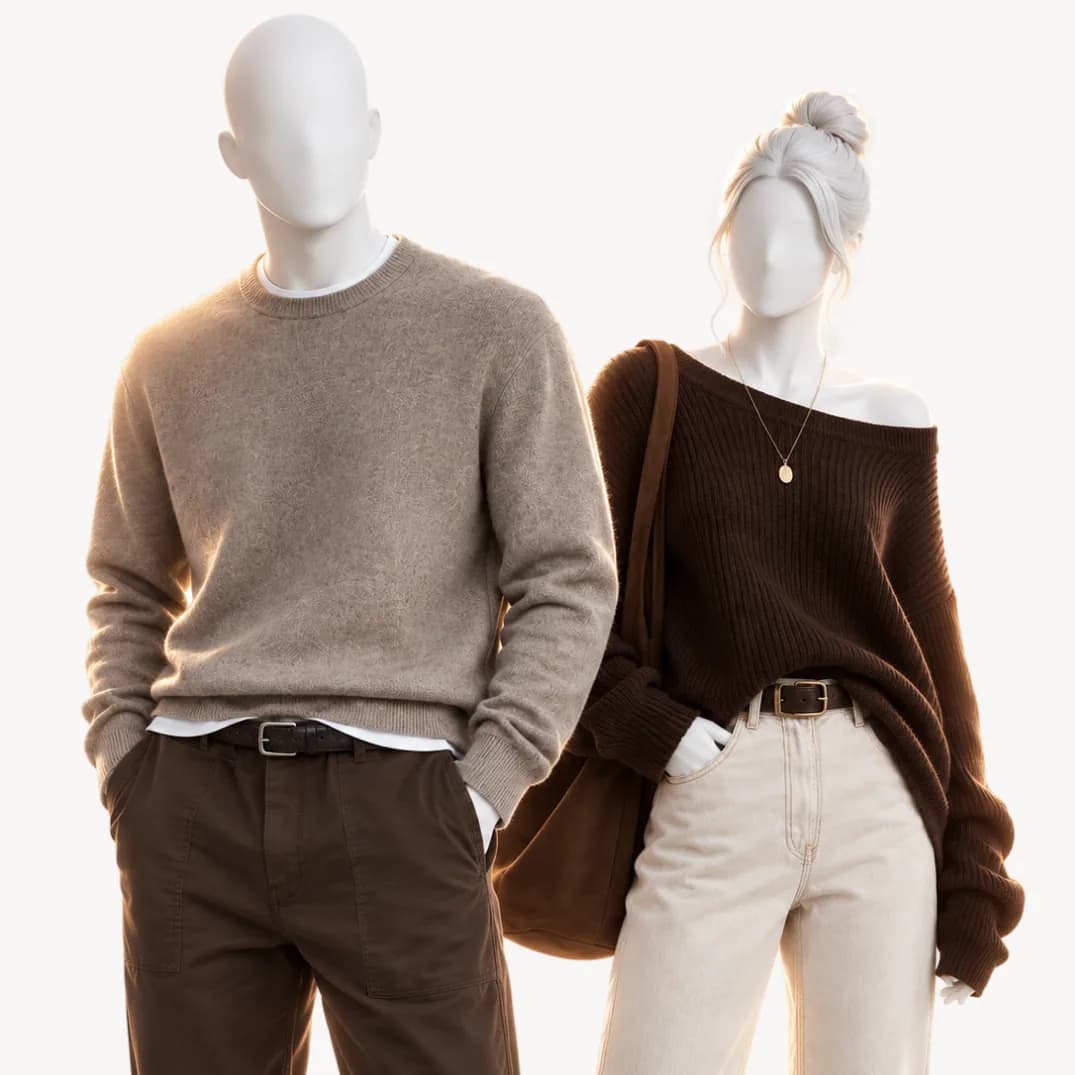 Color seasonTrue Autumnfully warm and rich
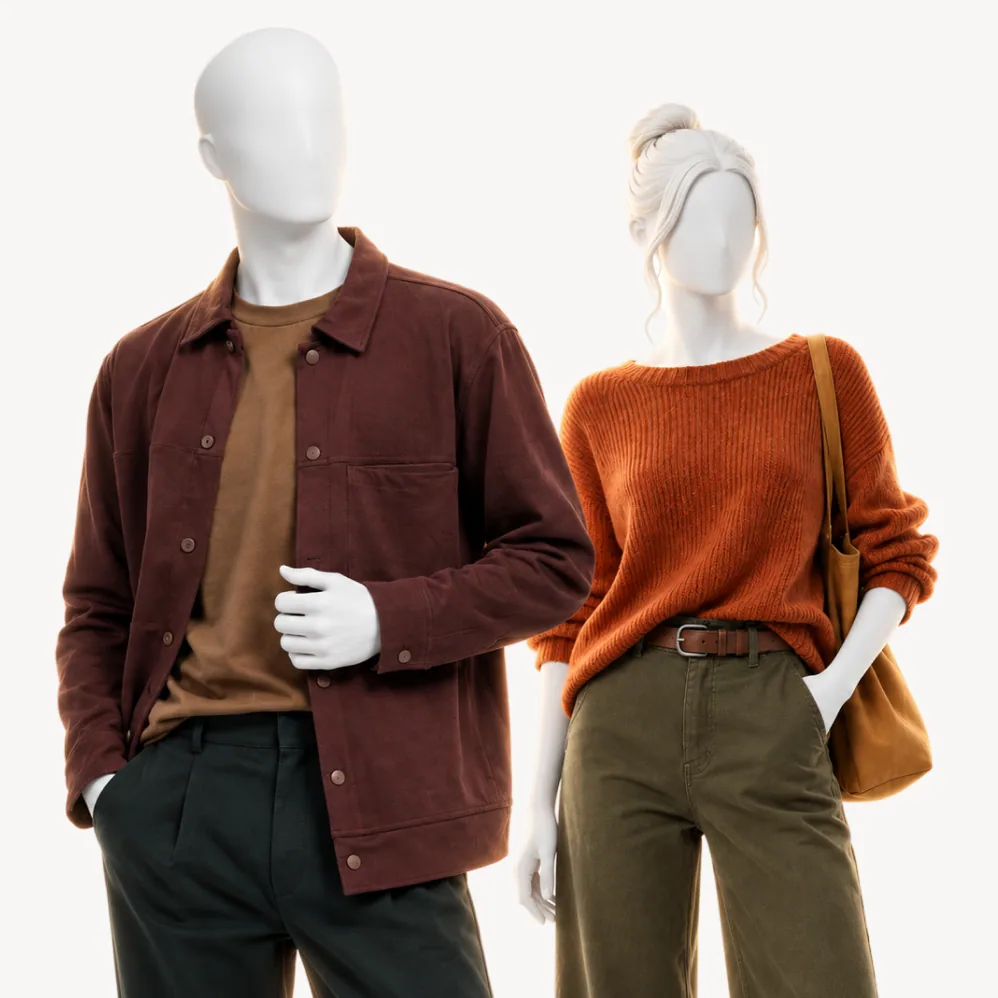 Color seasonDeep Autumnwarm and deep with high contrast
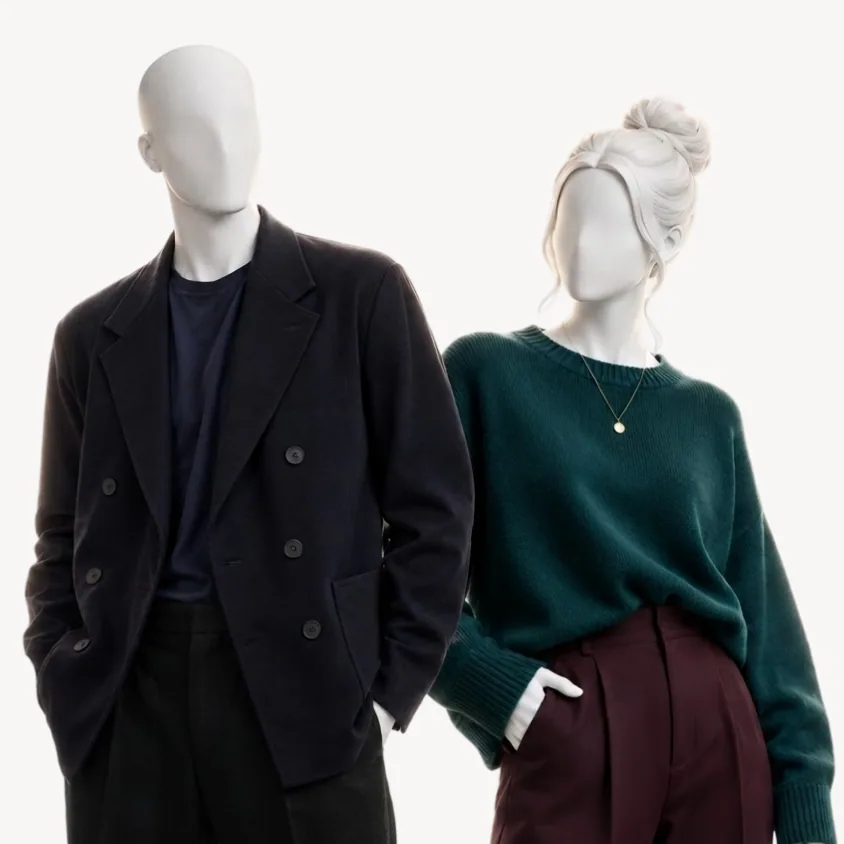 Color seasonDeep Wintercool and deep with high contrast
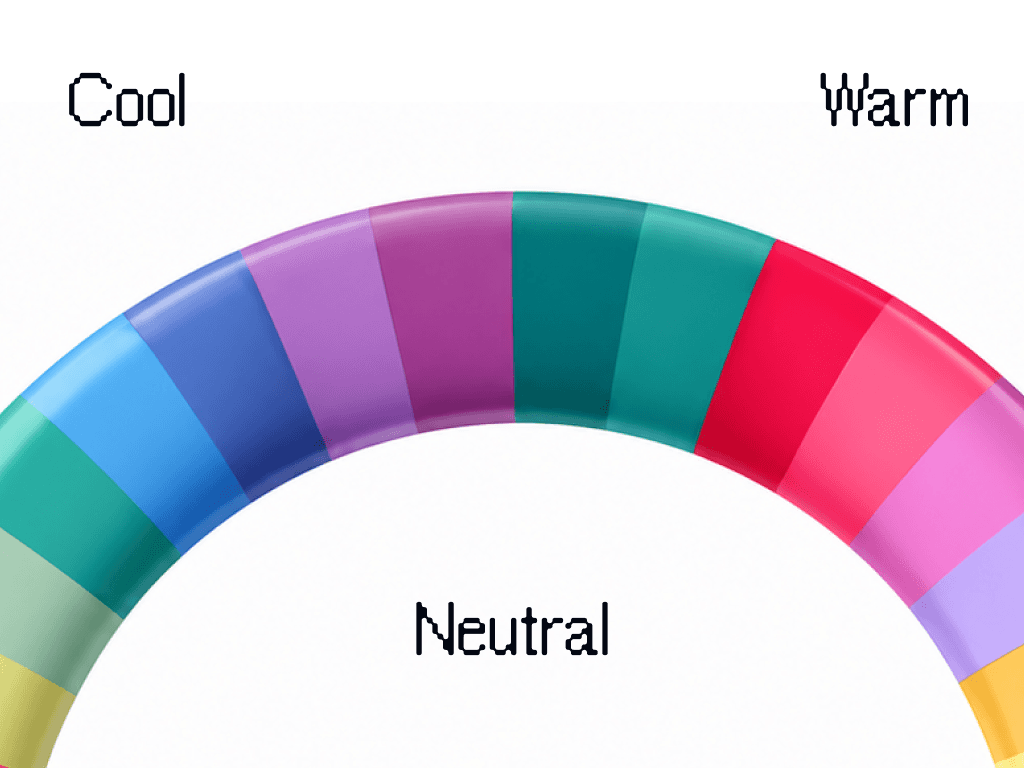
Seasons · 9 min
Find your undertone at home (warm, cool, or neutral)
Three daylight tests to find your undertone at home: wrist veins, gold vs silver, white paper. Plus how to read a neutral or olive result.

Method · 8 min
How to take photos for an accurate color analysis
The light, the angles, and the white paper trick. How to take five photos that give a color analysis something real to work with.
Men · 11 min
The best shirt colors for your skin tone
Ivory, soft white, or pure white? Which blue is yours? The shirt colors for each of the 12 color seasons, and the three shirts for a man's week.
- All 50 colors
Which side of Forest green are you on?
A short questionnaire and five photos. Your key arrives by email, usually within 10 minutes.